Tasting
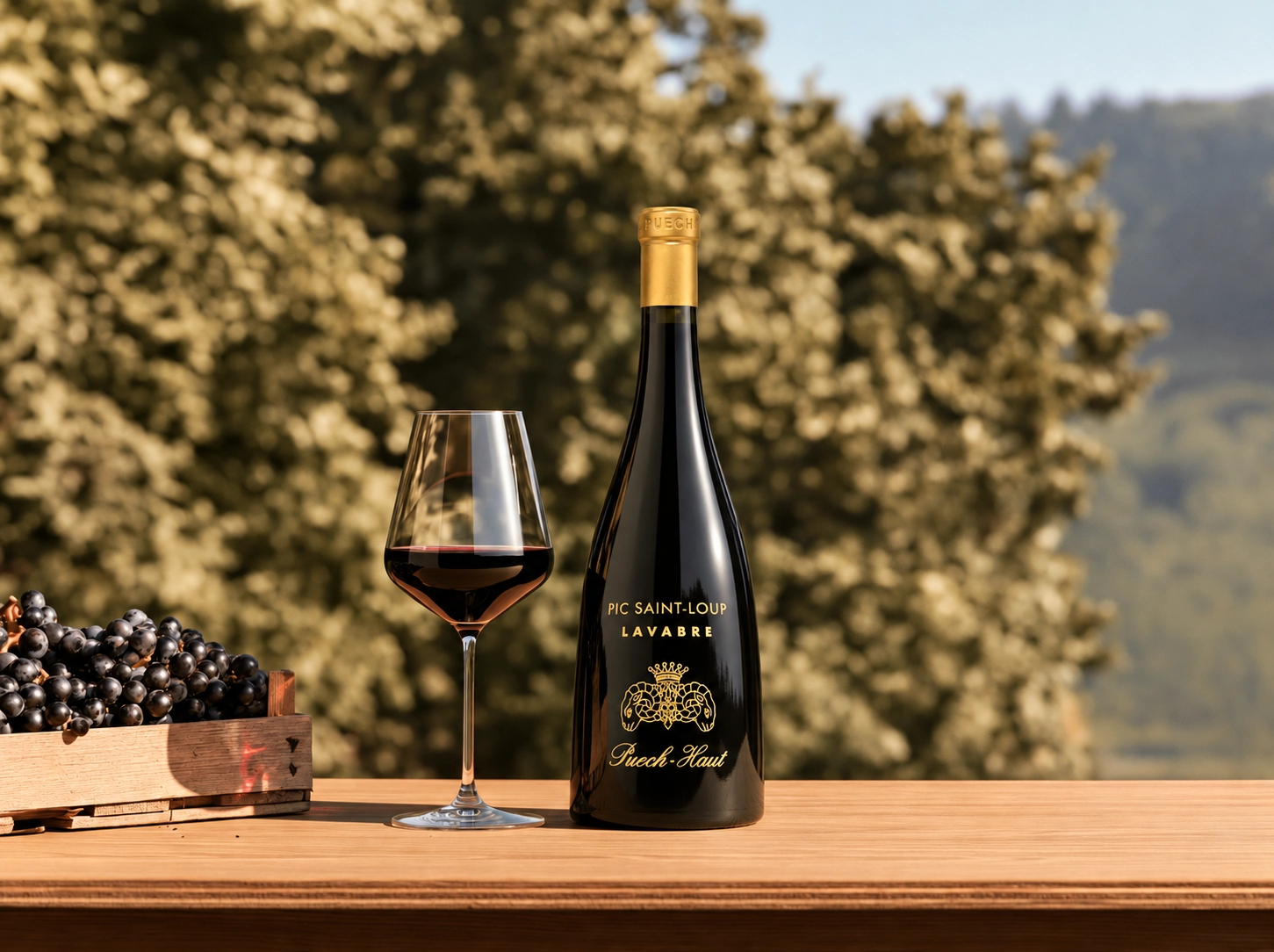
The colour is a deep, bright garnet red. The nose reveals notes of black fruit (blackberry, blackcurrant), undergrowth and tobacco, mingling with roasted aromas from gentle, long ageing. The palate is rich and opulent, with dazzling generosity, and long recalls the variety of complex flavours of this great wine.

Terroir
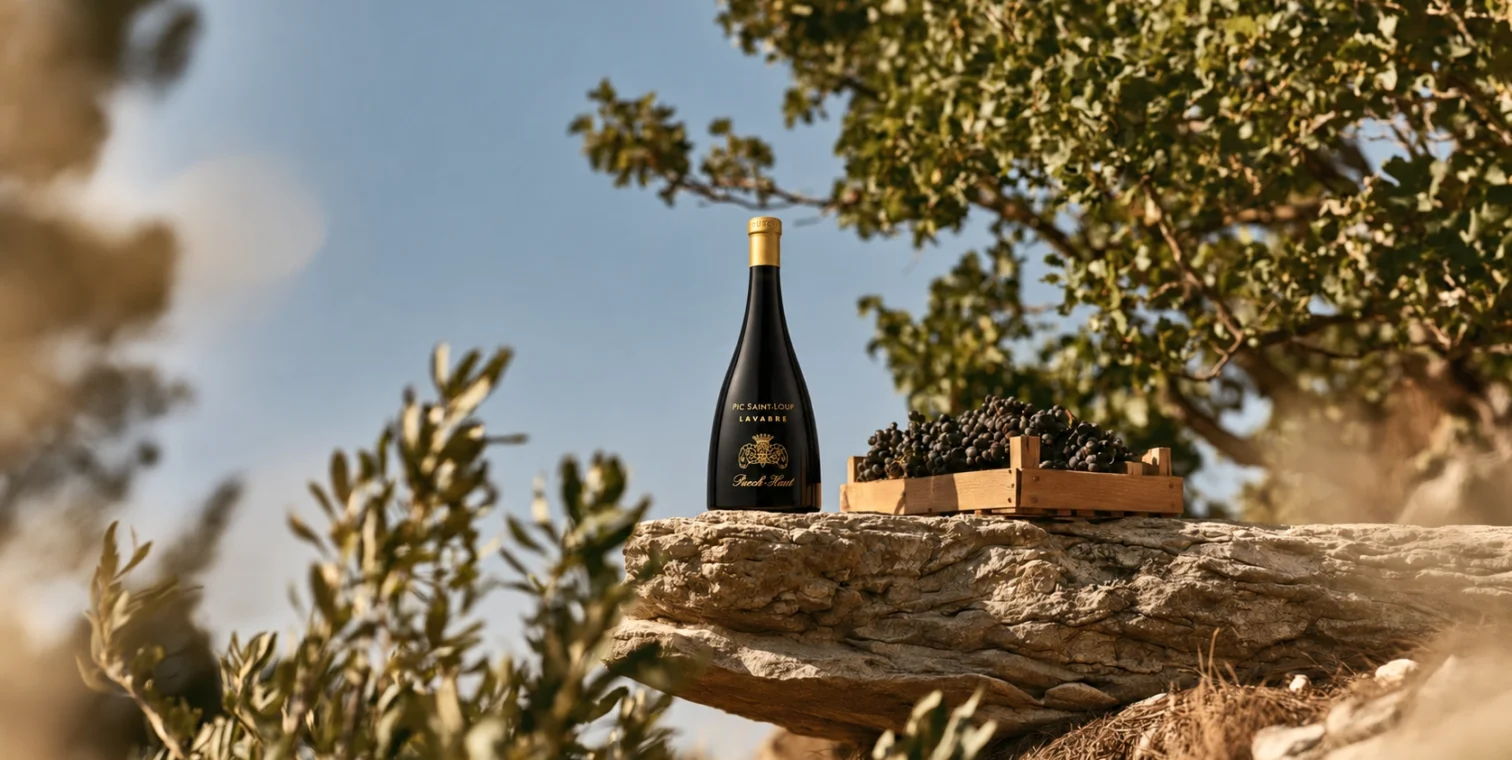
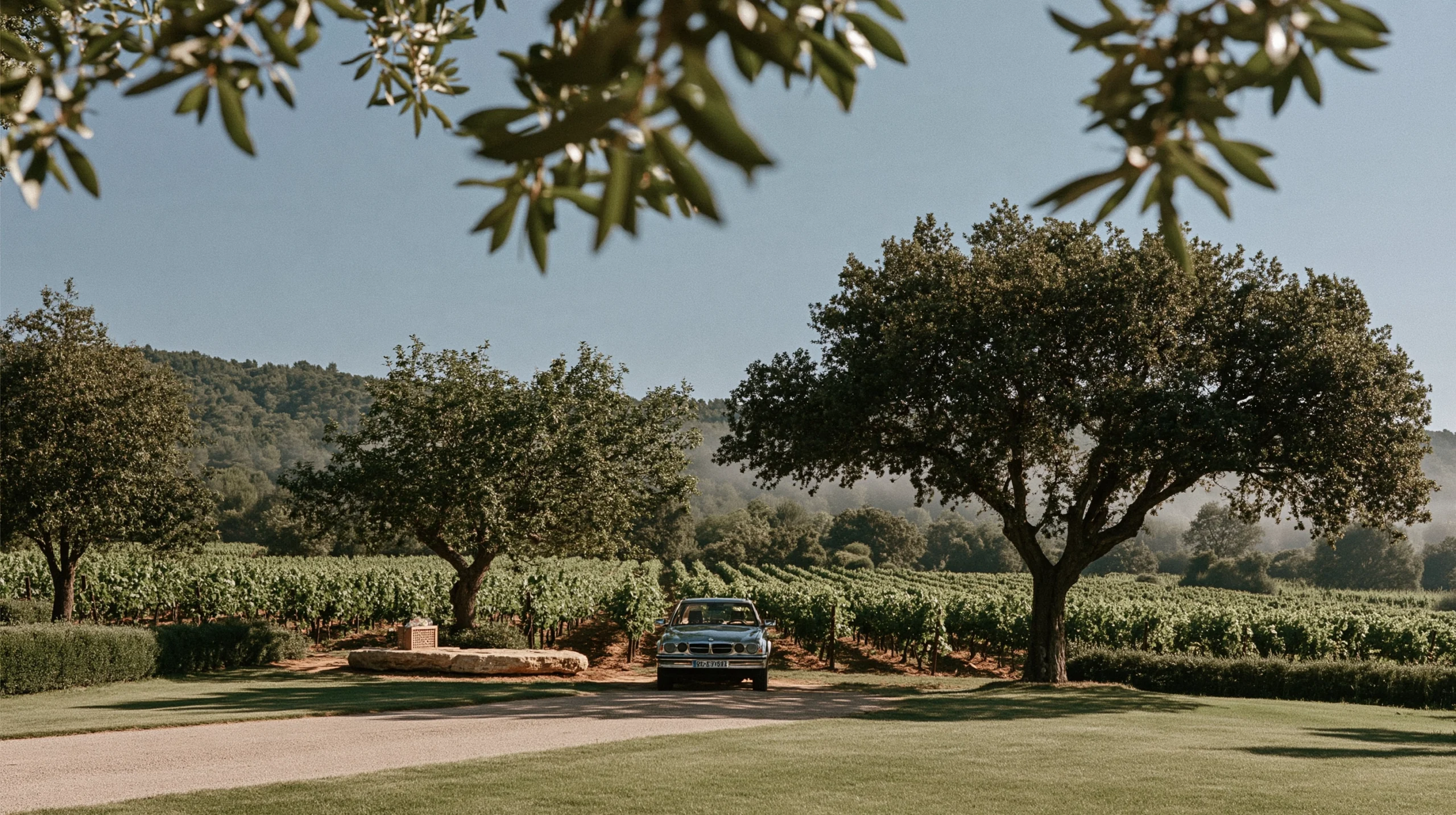
Located in the commune of Claret, 30 km north-east of Montpellier, the Lavabre Pic Saint-Loup terroir covers 60 hectares. The vines enjoy a unique microclimate in a clearing on the hillside. The climate of the Pic Saint-Loup area remains Mediterranean, but it is less extreme than in any other part of the Languedoc. Temperatures are slightly lower and the day/night temperature range is more marked than in other terroirs. Rainfall is also higher, by several hundred millimetres a year. All these factors combine for optimal ripening of the grapes to make great red wines. The vines are managed with sustainable farming.

Information

  • Appellation: AOP Pic Saint-Loup
  • Grape varieties: Syrah (80%), Grenache Noir (15%), Mourvèdre (5%)
  • Pairings: oven-roasted red meat (rack or saddle of lamb), barbecued rib of beef or game birds.
  • Ageing potential: 3 to 5 years
  • Alcohol: 15%
Technical sheet
  • Vintage

    2023

  • Grape varieties

    Grenache, Mourvèdre, Syrah

  • Yield

  • Soil

    Shattered limestone and marl

  • Winemaking

    Hand-harvested in the early morning into small crates, with sorting on arrival. The harvest is destemmed before going into vat for a traditional vinification lasting 8 weeks. The wines are put into barrels as soon as they are run off, for 14 to 18 months of ageing in new extra-fine-grain French oak barrels for the Syrah and Mourvèdre. The Grenache is aged in one-wine barrels for 14 months.

  • Serving

    15°C

THE CUVÉE

Lavabre, AOP Pic Saint-Loup red

Lavabre is a Puech-Haut red in the AOP Pic Saint-Loup. It blends 80% Syrah, 15% Grenache Noir and 5% Mourvèdre, on soil of shattered limestone and marl. Its 60-hectare terroir, in the commune of Claret, 30 km north-east of Montpellier, forms a hillside clearing with a unique microclimate: a Mediterranean climate less extreme than elsewhere in the Languedoc, with slightly lower temperatures, sharper differences between day and night, and several hundred millimetres more rain a year. These conditions favour optimal ripening of the grapes. The vines are managed with sustainable farming.

Its colour is a deep, bright garnet red. The nose reveals notes of black fruit (blackberry, blackcurrant), undergrowth and tobacco, mingled with the roasted aromas of gentle, long ageing. The palate is rich and opulent, with dazzling generosity, and its complex flavours linger for a long time.

Serve it at 15 °C with oven-roasted red meat, such as a rack or saddle of lamb, a barbecued rib of beef or game birds. It is 15% ABV and can be kept for 3 to 5 years, provided it is stored at a constant temperature with good humidity.

KNOW-HOW

Hand-harvested, aged in oak barrels

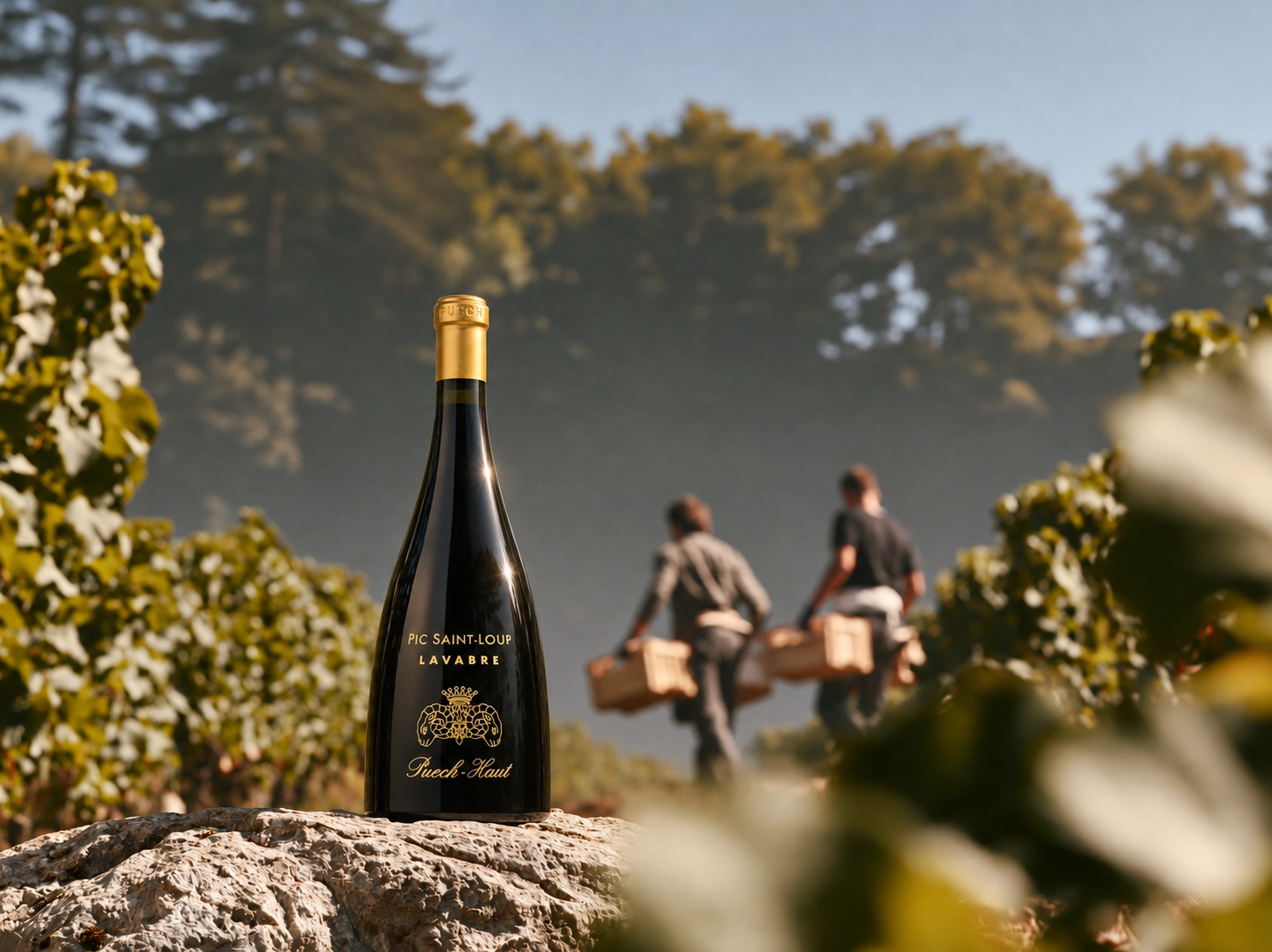
The grapes are picked by hand in the early morning, into small crates, and sorted on arrival. The harvest is destemmed before going into vat: the berries are separated from the stalks, which contain astringent tannins. Traditional vinification lasts 8 weeks. As soon as they are run off, the wines are put into barrels: 14 to 18 months in new extra-fine-grain French oak barrels for the Syrah and Mourvèdre, 14 months in one-wine barrels for the Grenache. Dense French oak slowly releases its tannins and vanillin, giving fine, elegant wines.

FOOD & WINE PAIRINGS

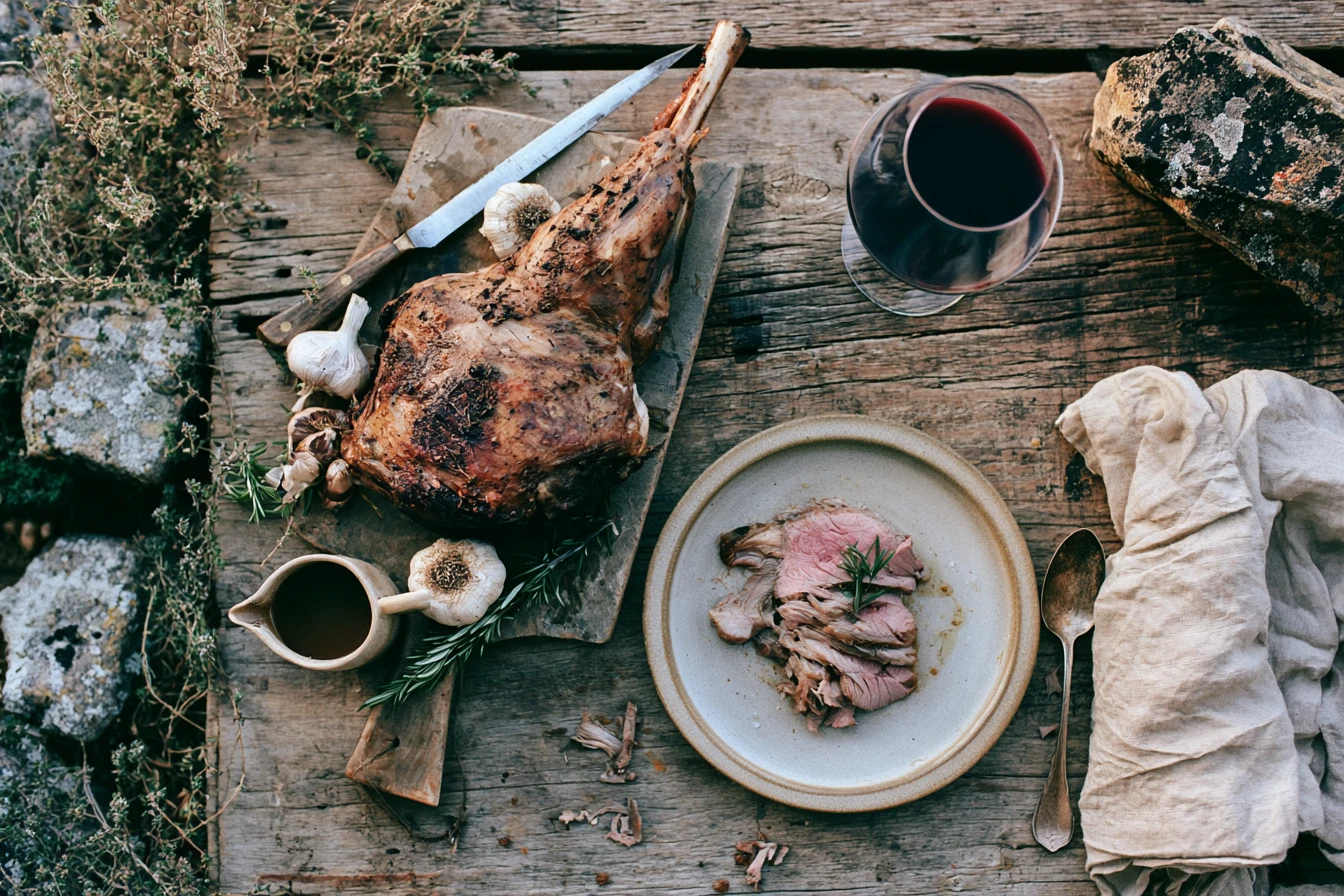
Leg of lamb with garrigue herbs

Lavabre is a wonderful match for a leg of lamb with garrigue herbs. Discover our recipe and our sommelier's serving tips.

See the recipe

THE COLLECTION

Other cuvées

View all

IN BRIEF

Lavabre in brief


What is Lavabre?
It is a Puech-Haut red in the AOP Pic Saint-Loup, from a hillside clearing in the commune of Claret. It blends 80% Syrah, 15% Grenache Noir and 5% Mourvèdre.
What does Lavabre taste like?
The nose combines black fruit (blackberry, blackcurrant), undergrowth, tobacco and roasted notes. The palate is rich, opulent and long.
How is Lavabre made?
The grapes are picked by hand, sorted and destemmed, before 8 weeks of traditional vinification. Ageing lasts 14 to 18 months in barrels, new for the Syrah and Mourvèdre.
Which dishes go with Lavabre?
It goes with oven-roasted red meat, such as a rack or saddle of lamb, barbecued rib of beef and game birds.
At what temperature should Lavabre be served?
Serve it at 15 °C.
How long can Lavabre be kept?
It can be kept for 3 to 5 years, provided it is stored at a constant temperature with good humidity.

Find Lavabre

Find out where to buy our wines.

PUECH-HAUT

Continue exploring