

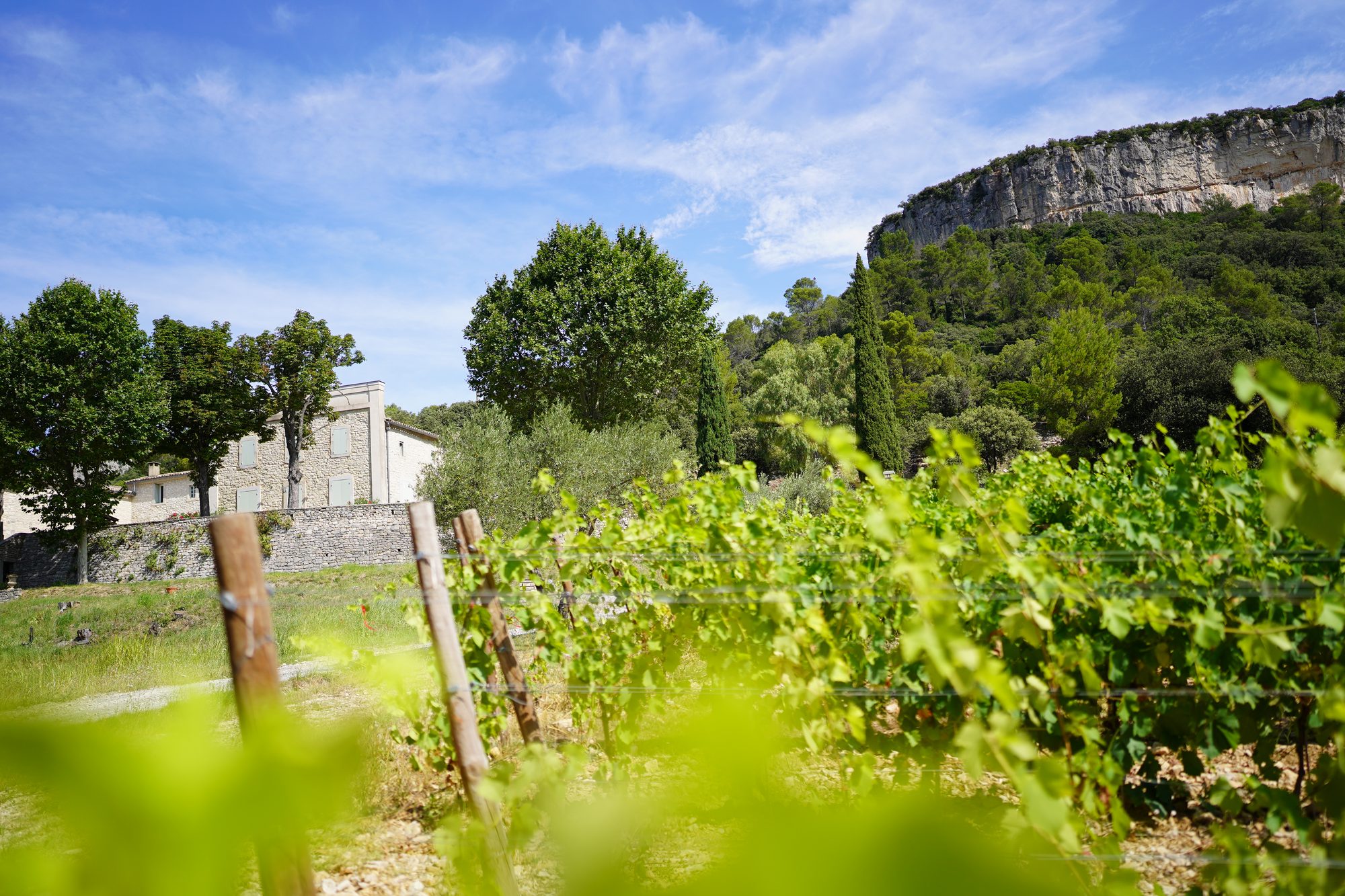
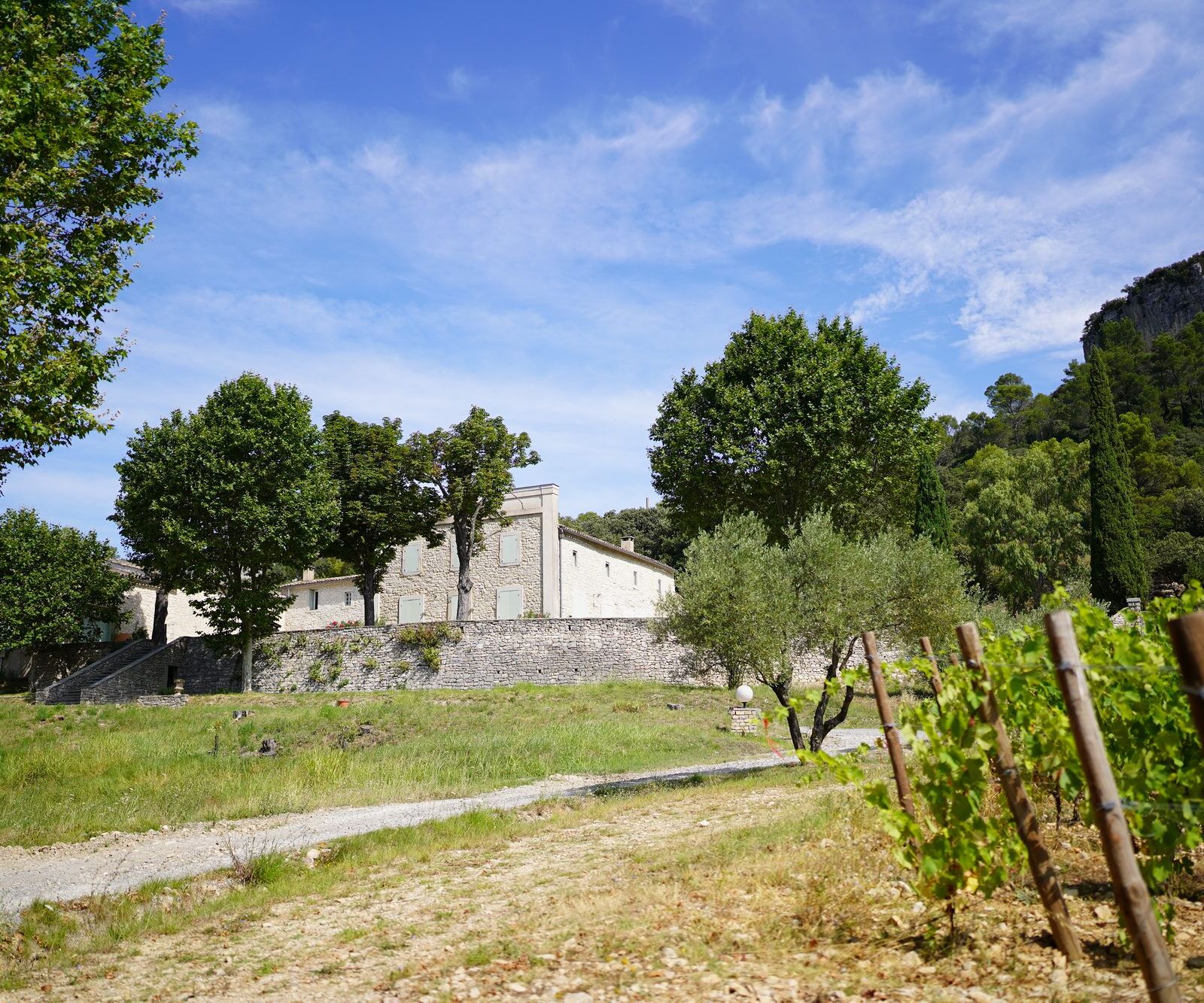
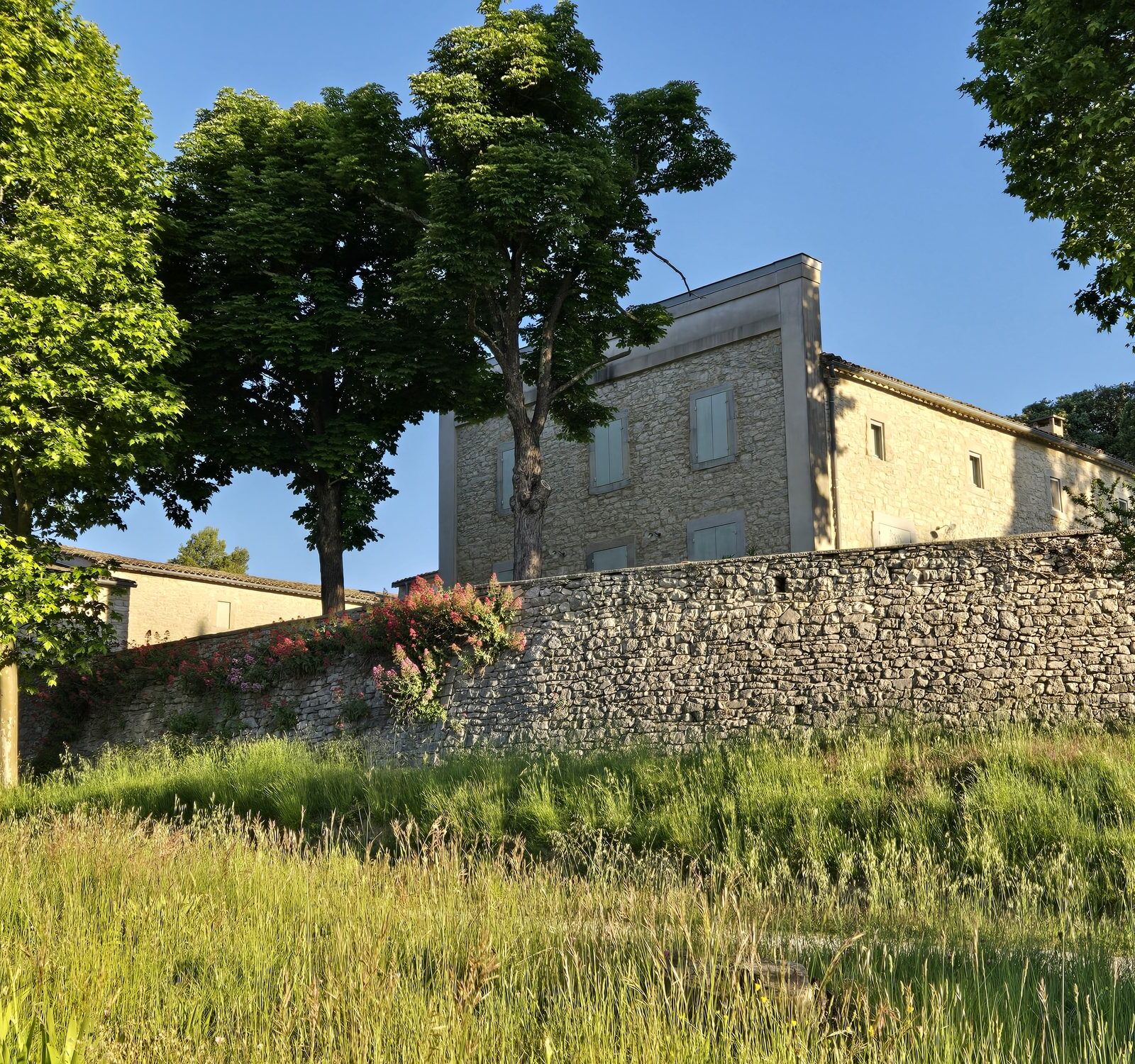
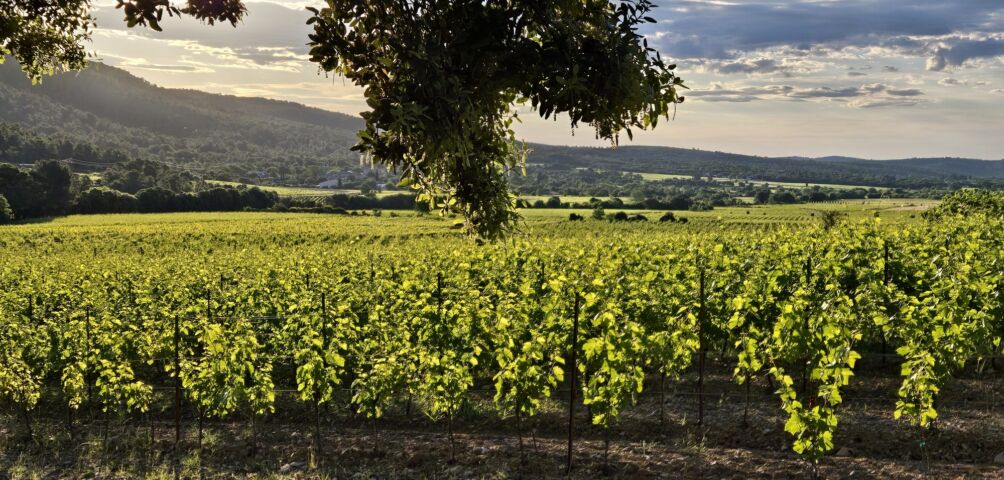
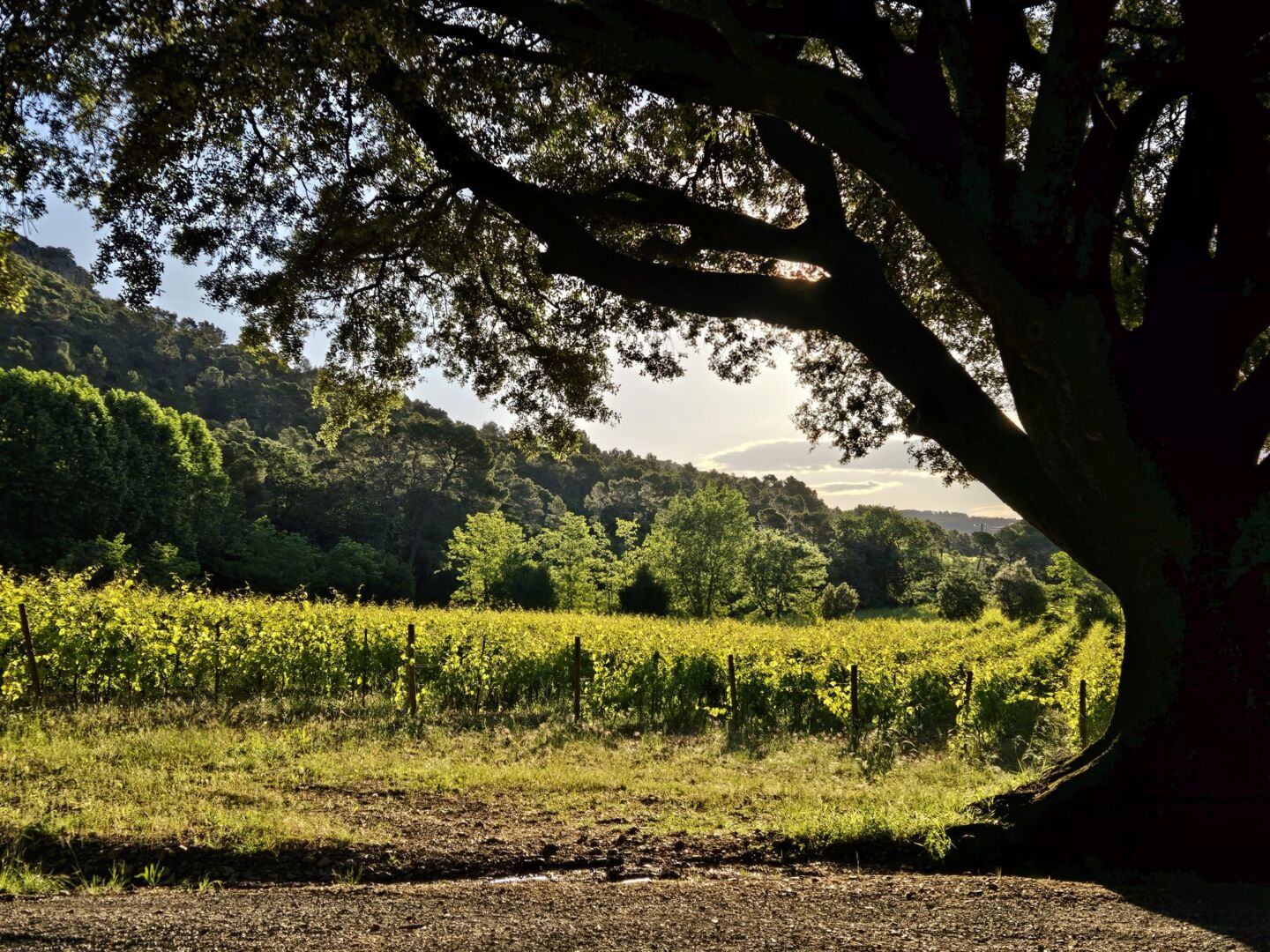
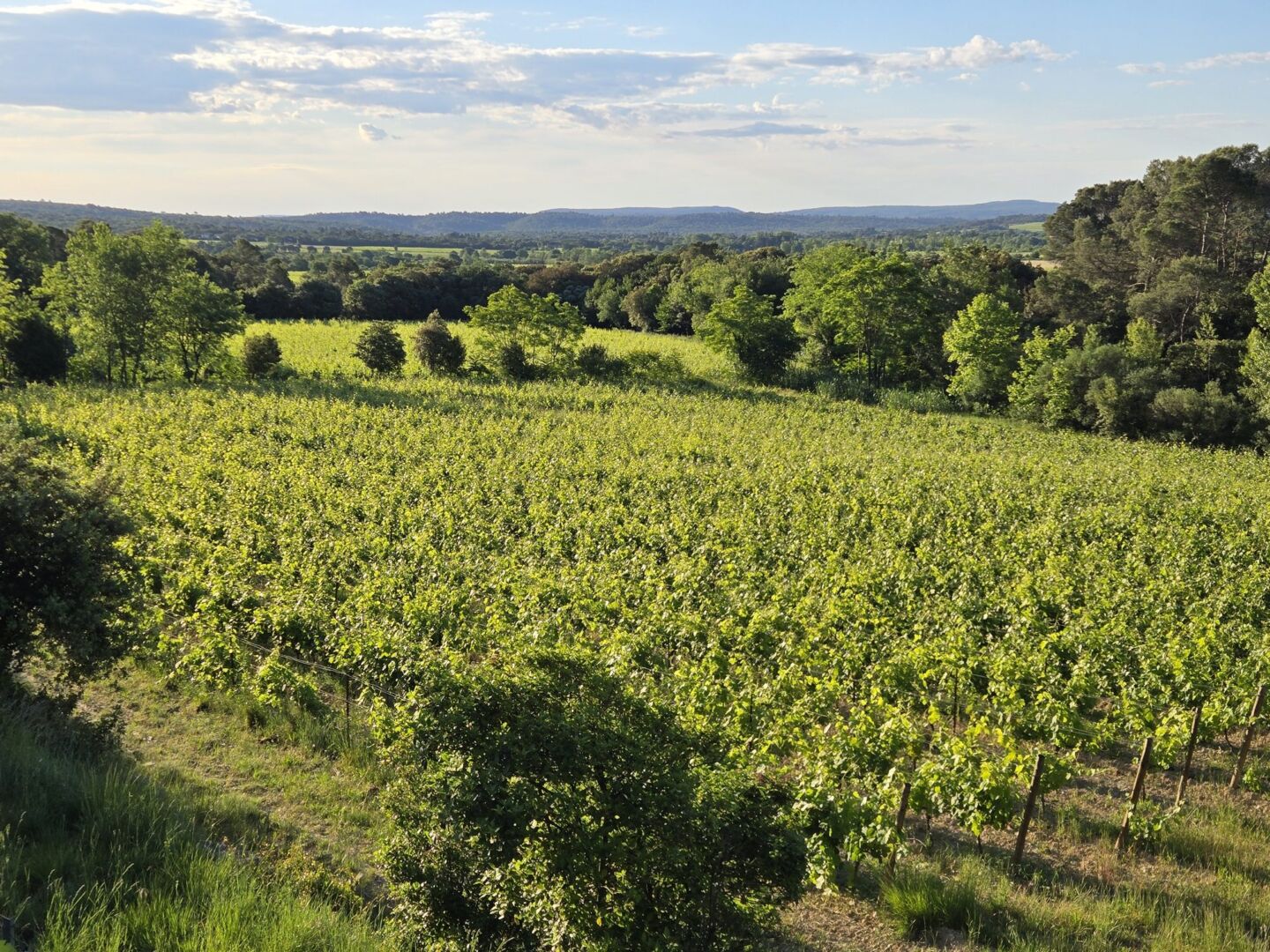
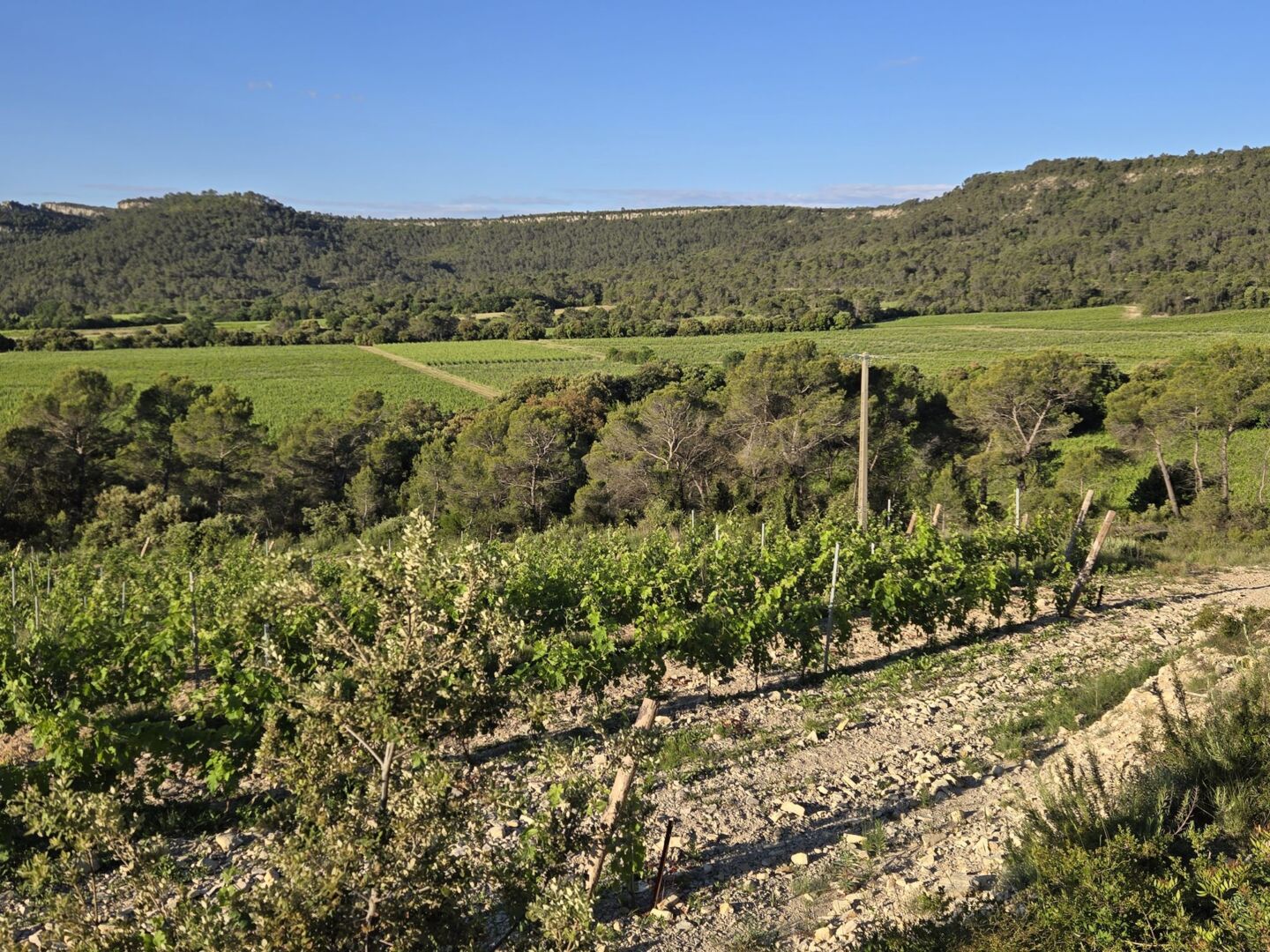
Vines occupy a clearing on the hillside, with garrigue on one side and pine forest on the other. Their soil of shattered limestone and marl gives the wines their finesse and freshness. It is a little cooler here than elsewhere in the Languedoc, and the grapes ripen slowly.
- acquisition
- 2017
- Syrah
- 80%
- of maceration
- 8wks
- from Montpellier
- 30km
THE ESTATE
A clearing on the hillside
THE ESTATE
A clearing on the hillside
Vines occupy a clearing on the hillside, with garrigue on one side and pine forest on the other. Their soil of shattered limestone and marl gives the wines their finesse and freshness. It is a little cooler here than elsewhere in the Languedoc, and the grapes ripen slowly.
THE HISTORY
Lavabre and its appellation
011955
Pic Saint-Loup is recognised as a superior-quality wine (VDQS). It is the first step towards the appellation.
021985
It becomes one of the named areas of the Coteaux du Languedoc appellation, created that year.
032017
Puech-Haut takes over Château Lavabre. The same year, Pic Saint-Loup becomes an AOP in its own right.
04Today
Farmed sustainably, the Claret vines produce Lavabre red, an AOP Pic Saint-Loup.
IN PICTURES
The Lavabre vines
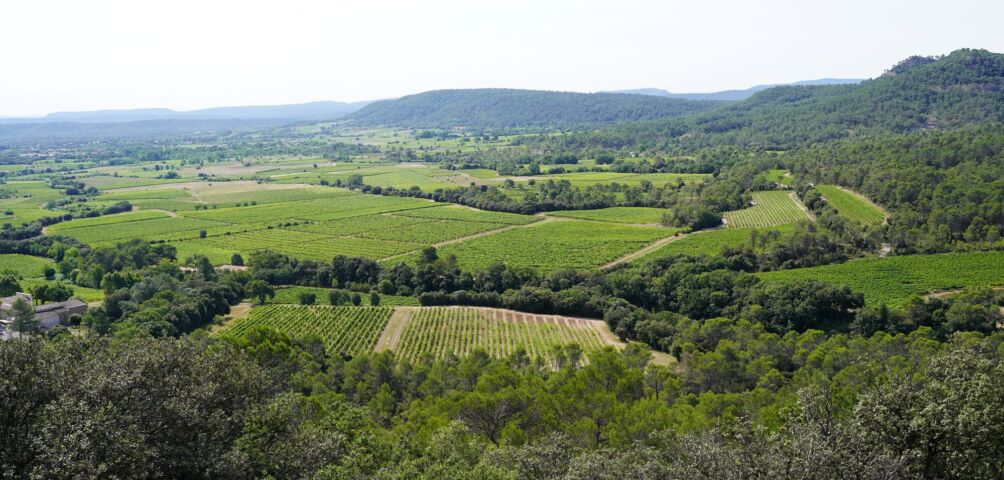
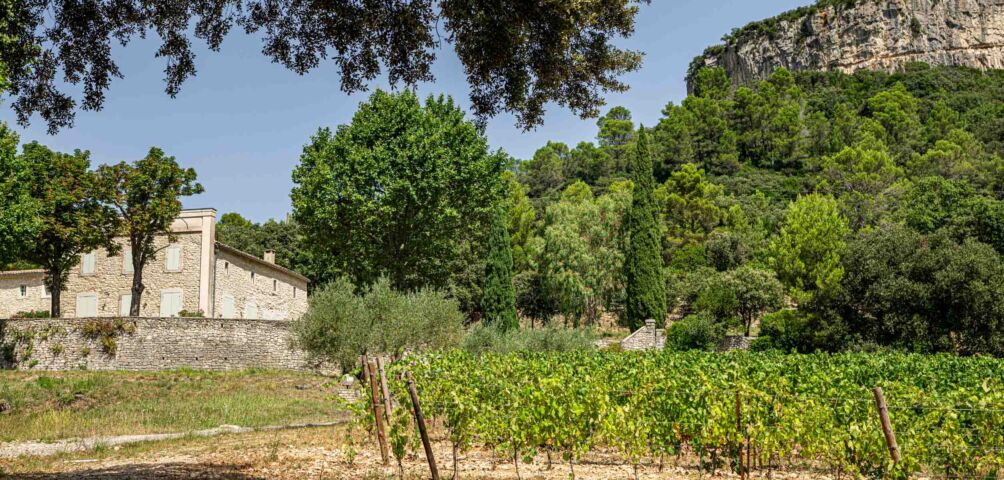
The Claret hillsides, with Pic Saint-Loup in the background. Around the rows, garrigue and pine forest close off the clearing of Château Lavabre, on a soil of shattered limestone and marl.
THE WINE
Lavabre red
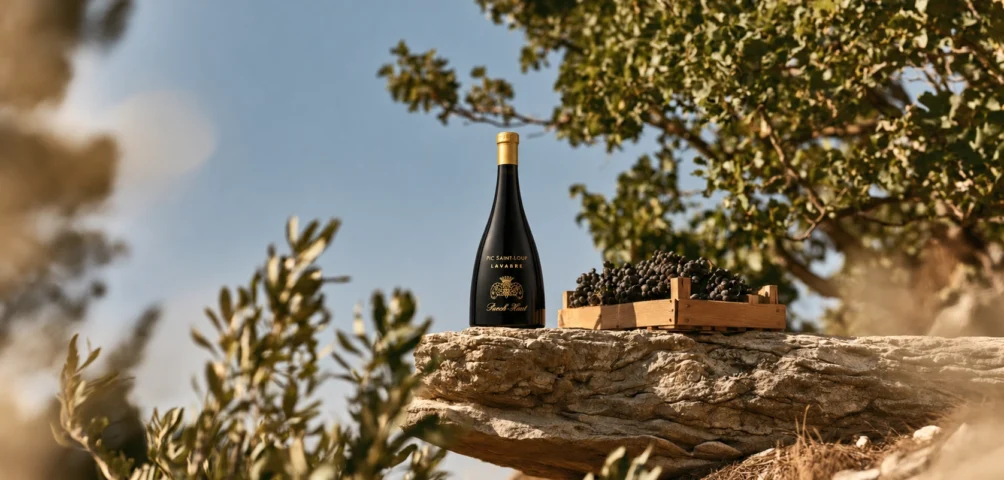
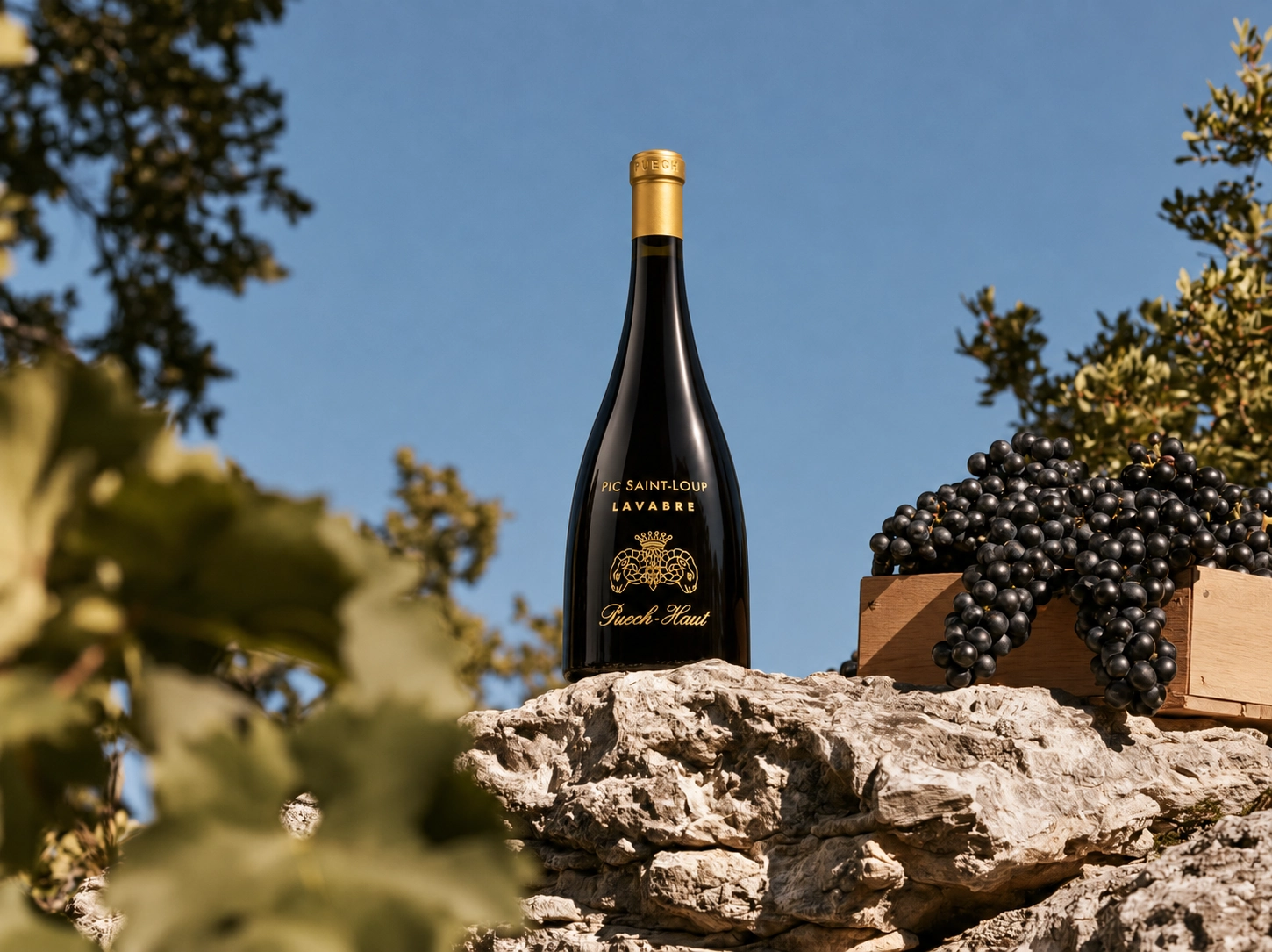
The reference cuvée of Puech-Haut in Pic Saint-Loup, Lavabre red owes its character to the appellation's cool climate and the limestone of Claret. Its colour is deep garnet, its nose of blackberry and blackcurrant.The terroir. At Claret, 30 km north-east of Montpellier, the Lavabre vines grow in a clearing on the hillside, between garrigue and pine forest, with Pic Saint-Loup in the background. The soil combines shattered limestone and marl. The climate remains Mediterranean, but less extreme than in the rest of the Languedoc. Temperatures are a little lower, the gap between day and night is wider, and there is more rain. The grapes take their time to ripen.
The blend. Lavabre red brings together 80% Syrah, 15% Grenache Noir and 5% Mourvèdre. The appellation requires at least 50% Syrah; at Lavabre, it leads by far. On this cool terroir, it gives fresher, spicier notes than on the plain.
The winemaking. The grapes are picked by hand, in the morning, into small crates. They are sorted as soon as they reach the cellar, then destemmed before going into the vats. Eight weeks of traditional winemaking follow. At racking, the wine goes straight into new, extra-fine-grain French barrels, where the Syrahs stay for 14 to 18 months.
In the glass. The colour is deep, bright garnet. On the nose, blackberry and blackcurrant mingle with undergrowth, tobacco and the toasted notes of long ageing. The palate is rich and opulent, and the finish long.
At the table. Lavabre goes with oven-roasted red meat, rack or saddle of lamb, a barbecued rib of beef or game birds. It keeps for 3 to 5 years.
In the vineyard. Puech-Haut took over Château Lavabre in 2017, the year Pic Saint-Loup became an AOP in its own right. Recognised as a superior-quality wine as early as 1955, the appellation had become a named area of the Coteaux du Languedoc in 1985. The vines are farmed sustainably: the soils are worked mechanically, and treatments are limited to copper and sulphur. In the same appellation, the estate also grows vines at Fontanès and Clos du Pic, designed by the architect Rudy Ricciotti.
QUESTIONS
Questions about Lavabre
Château Lavabre in six questions, to place the estate, learn its history since 2017 and follow its wine, Lavabre red, from harvest to cellar.
Where is Château Lavabre?
At Claret, in the Hérault, 30 km north-east of Montpellier, in the Pic Saint-Loup appellation. Its vines occupy a clearing on the hillside, surrounded by garrigue and pine forest, on shattered limestone and marl.
Since when has it been part of Puech-Haut?
Since 2017, the year Pic Saint-Loup became an AOP in its own right. In this appellation, Puech-Haut also grows vines at Fontanès and Clos du Pic, designed by the architect Rudy Ricciotti.
Which grape varieties at Lavabre?
Lavabre red blends 80% Syrah, 15% Grenache Noir and 5% Mourvèdre. The appellation requires at least 50% Syrah; at Claret, it takes on fresher, spicier notes than on the plain.
How is Lavabre made?
After hand-picking in the morning into small crates, the grapes are sorted in the cellar and then destemmed. Traditional winemaking lasts eight weeks. From racking, the wine goes into new French barrels, where the Syrahs stay for 14 to 18 months.
Is Lavabre farmed sustainably?
Yes, like all of Puech-Haut's vines. At Claret, the Lavabre soils are worked mechanically, and treatments are limited to copper and sulphur.
How long can Lavabre be kept?
For 3 to 5 years. This rich, opulent red with a long finish goes with roast red meat, rack or saddle of lamb, a barbecued rib of beef or game birds.
TO DISCOVER
The estate in detail
Puech-Haut's other estates are at Saint-Drézéry and Theyron; Clos du Pic is also in Pic Saint-Loup. These cards lead there, as well as to the terroirs, the events and visits to the estate.