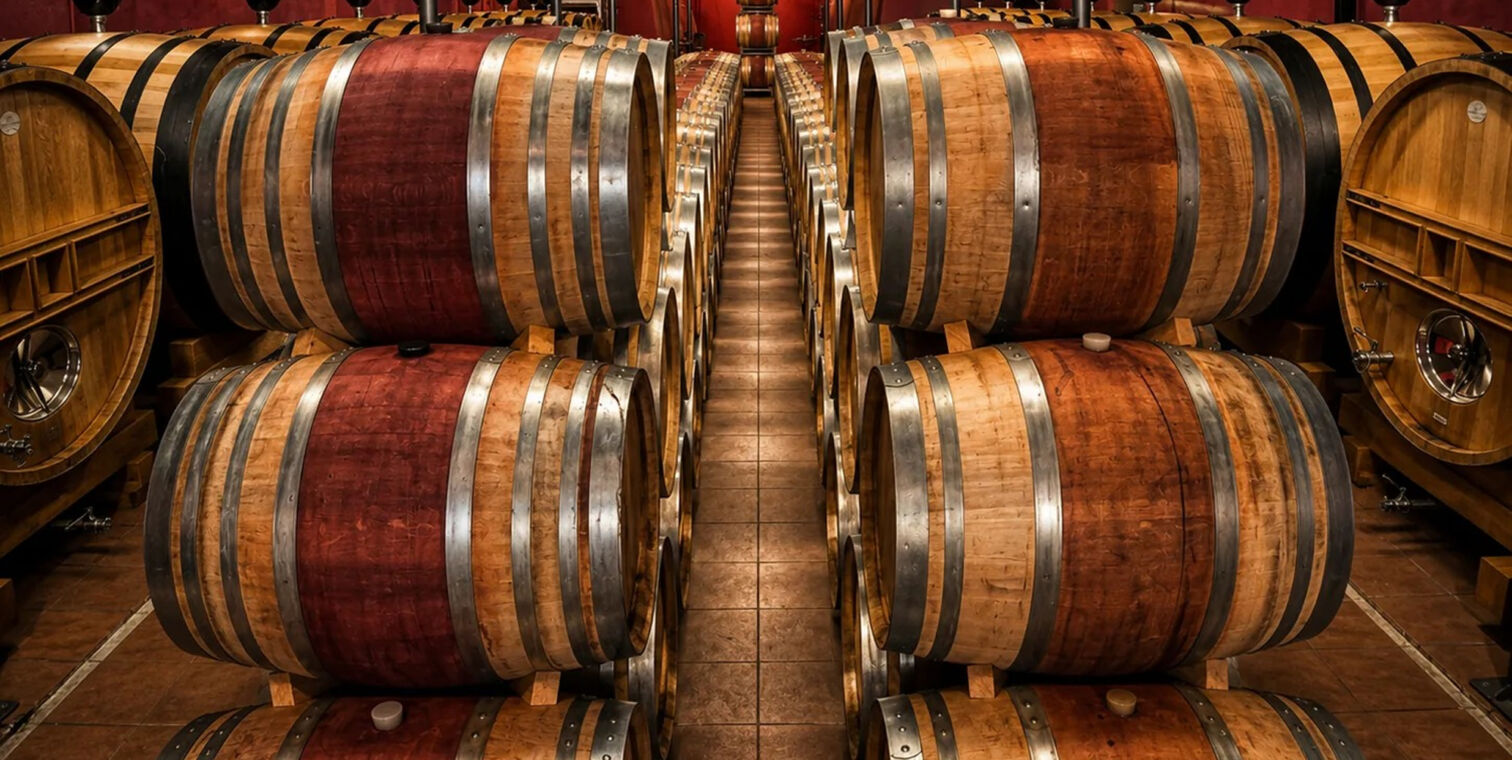
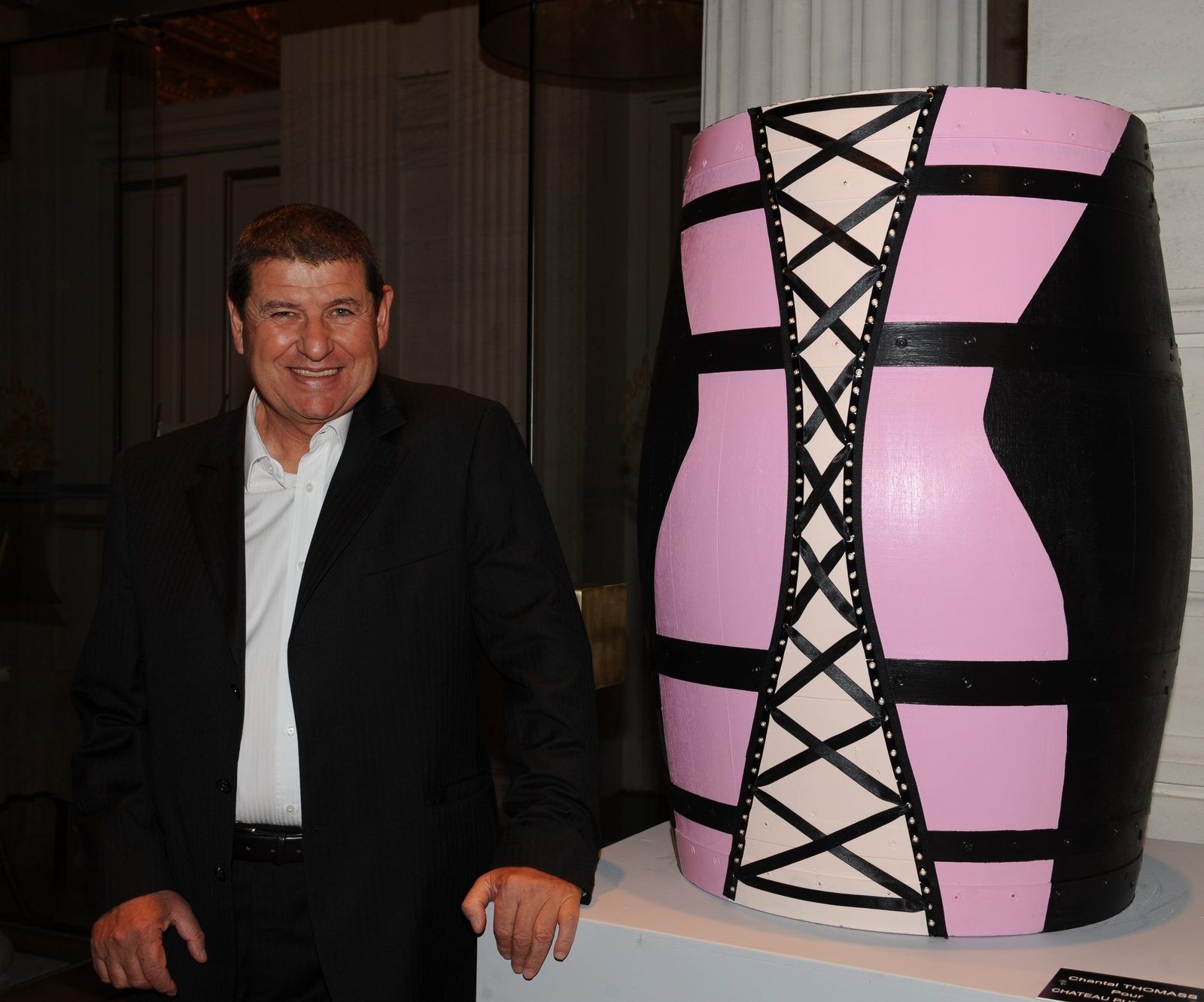
Gérard Bru made Puech-Haut known through the object: a frosted bottle with a recognisable shape, a glass stopper, artists invited to paint the barrels. The press and the great restaurants followed.
THE ESTATE
The Puech-Haut Estate
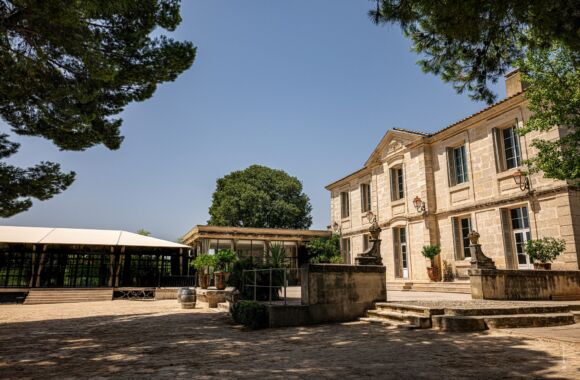
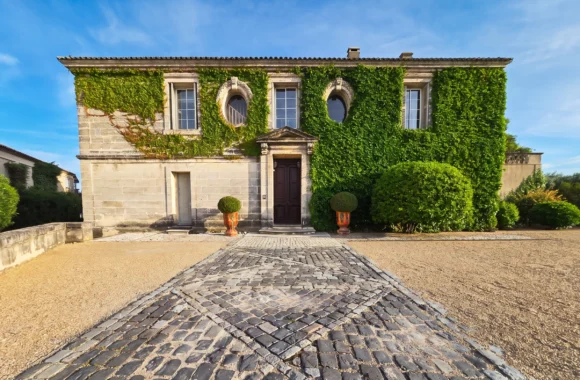
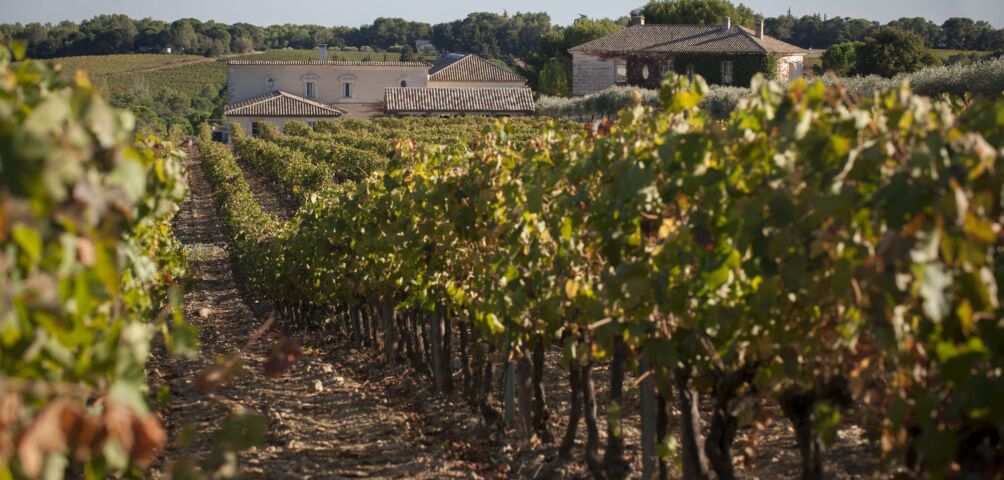
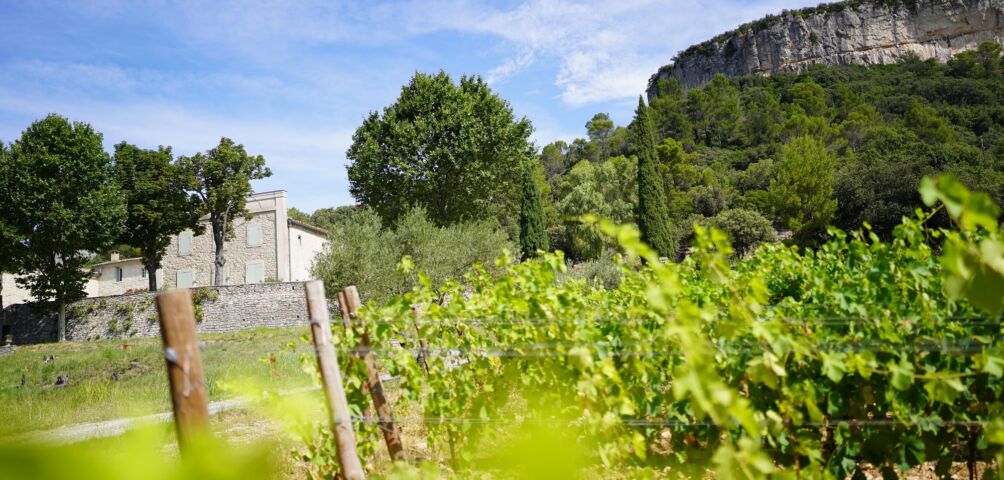
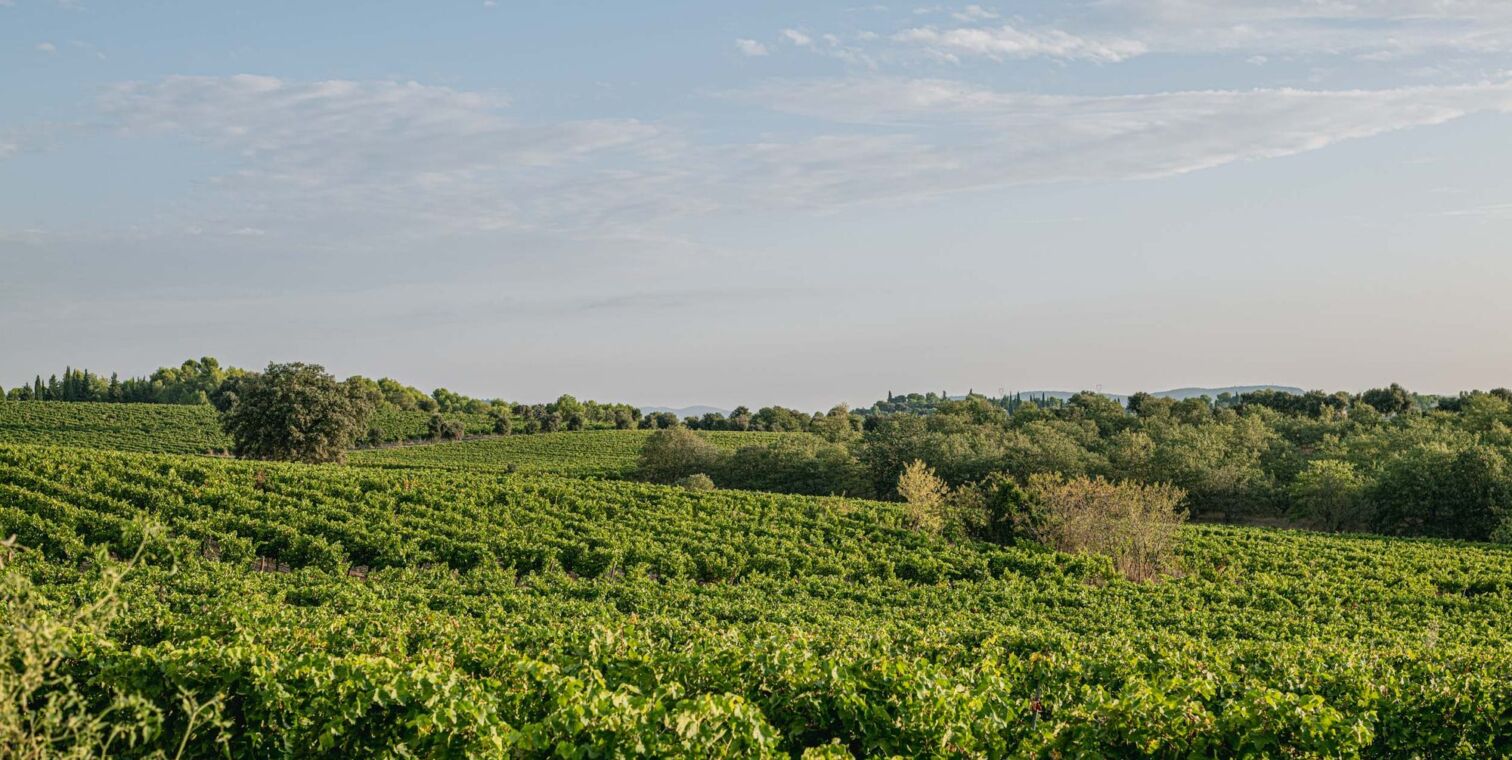
Four estates between Saint-Drézéry and Pic Saint-Loup, around 165 hectares of vines under sustainable farming, and a first harvest under the Puech-Haut name in 1994.
THE APPROACH
A view from elsewhere
Before wine, Gérard Bru built electrical transformer factories all over the world. At the estate, he arrived with ideas that wine had not yet encountered, and a very sure taste for design.
Scroll
Key dates
Our history
01The 1970s
Gérard Bru buys, one by one, the plots surrounding his grandmother's vineyard in Saint-Drézéry, a mix of vines and garrigue.
021994
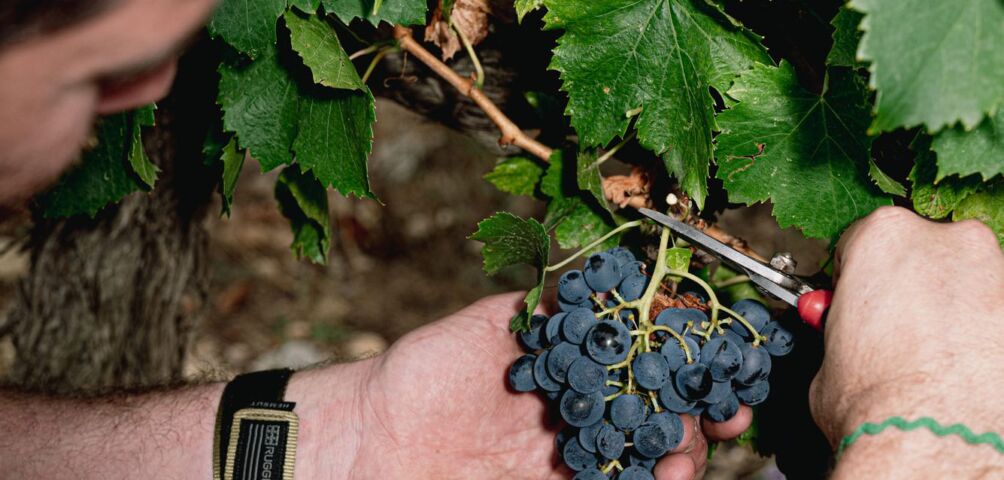
First harvest under the Puech-Haut label. Until then, the estate's grapes went to the cooperative winery.
032007
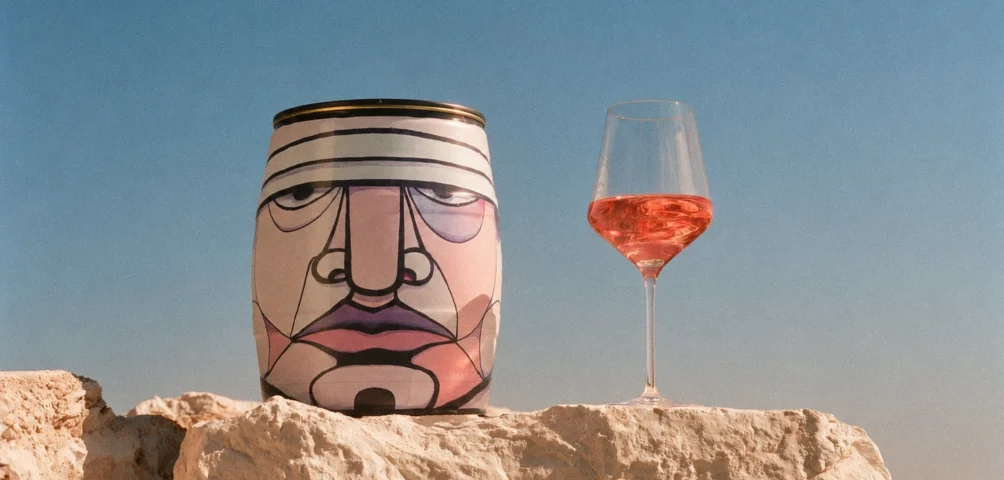
The first Bib'Arts are released: barrel-shaped wine fountains, dressed in an artist's work.
042017
Château Lavabre joins Puech-Haut, in the Pic Saint-Loup appellation.
He approached wine with a fresh eye
THE TEAM
The people behind Puech-Haut
A founder, a director and around thirty people who bring the estate to life, from the vine rows to the cellar, from the shop to the events.
QUESTIONS
The estate in brief
Six questions we are often asked about Puech-Haut, from its founder to the origin of its emblem.
Who founded Puech-Haut?
Gérard Bru. An industrialist by profession, he comes from a family of winegrowers settled between the Aude and the Hérault since 1605. He built the estate from scratch, from the vineyard to the name, before stepping back from day-to-day operations.
How many estates does Puech-Haut have?
Four: Château Puech-Haut in Saint-Drézéry, Château Lavabre and Clos du Pic in Pic Saint-Loup, and Domaine de Theyron, about ten kilometres from the château.
How many hectares of vines?
Around 165 hectares of vines under cultivation: roughly 80 in Saint-Drézéry, just over 70 in Pic Saint-Loup and about fifteen at Domaine de Theyron, all managed with sustainable farming.
Who runs the estate?
Arnaud Demongeot, since September 2024. A trained sommelier, he distributed Puech-Haut wines for twenty years before Gérard Bru entrusted him with the house. Around thirty people work there.
Is the estate run with sustainable farming?
Yes, all the vines are managed with sustainable farming: mechanical soil work, plant compost, treatments limited to copper and sulphur, and a flock of sheep for weeding.
Why a ram's head?
A Roman-era stone ram's head was found in the estate's soil. Displayed in the cellar shop, it became the emblem of Puech-Haut and gave its name to the Tête de Bélier cuvée.
TODAY
The estate today
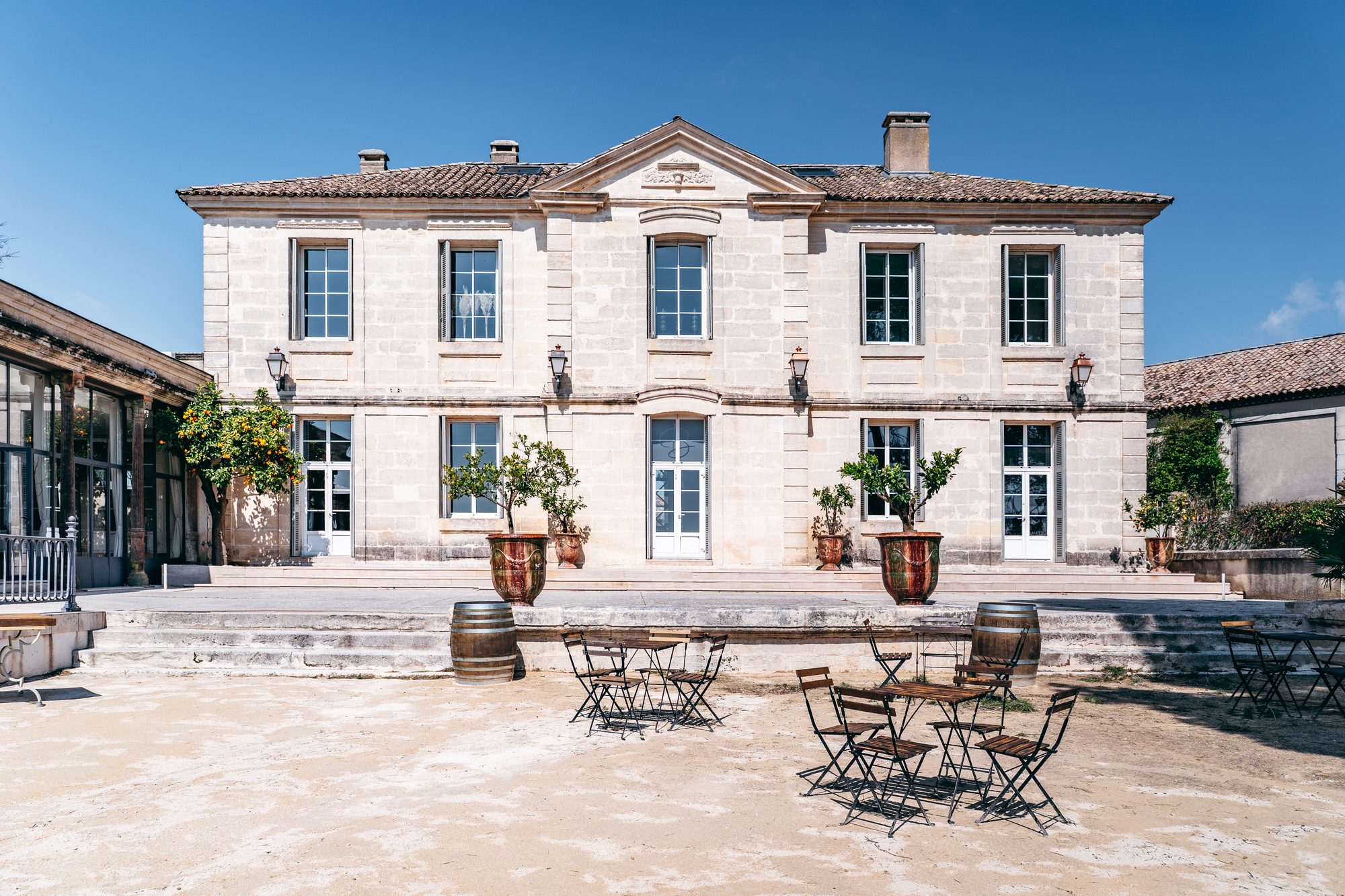
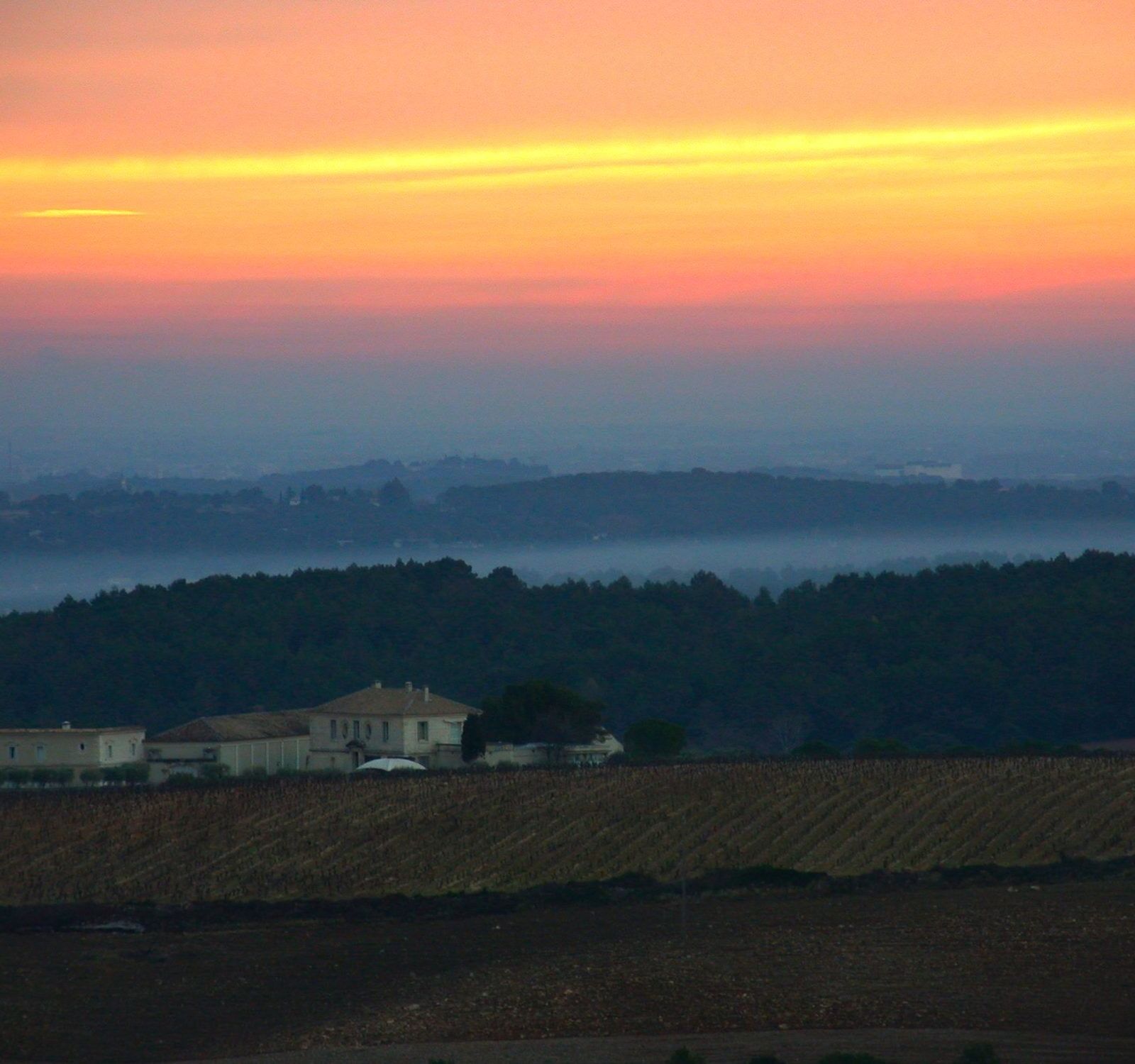
Four estates, around 165 hectares of vines and some thirty people: over half a century, Puech-Haut has been built around a château, a ram and a strong taste for beauty.
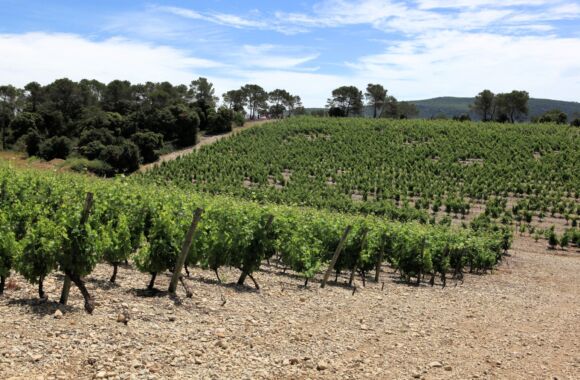
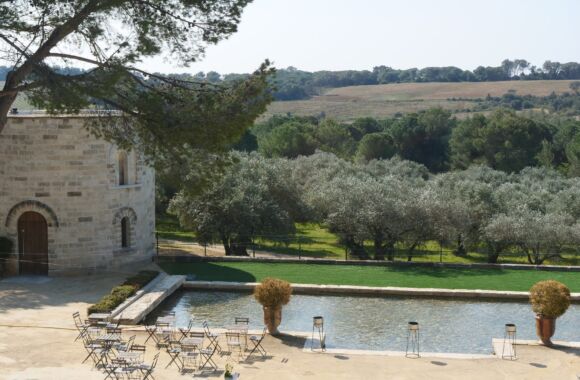
Four estates, two appellations. Château Puech-Haut, in Saint-Drézéry, has around 80 hectares of vines in the AOP Languedoc, on clay-limestone soils covered with rolled pebbles. About ten kilometres further north, Puech-Haut farms just over 70 hectares in Pic Saint-Loup: Château Lavabre, vines in Fontanès and Clos du Pic. Domaine de Theyron, some fifteen hectares, grows a lot of Rolle.
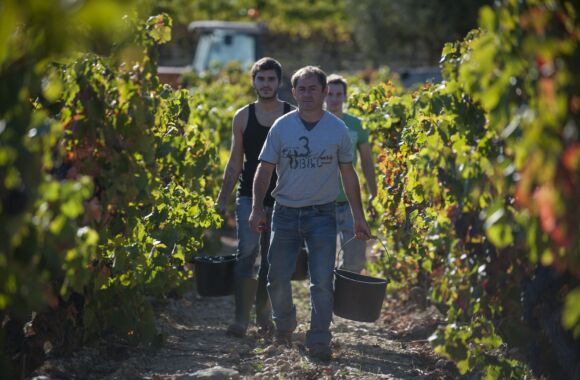
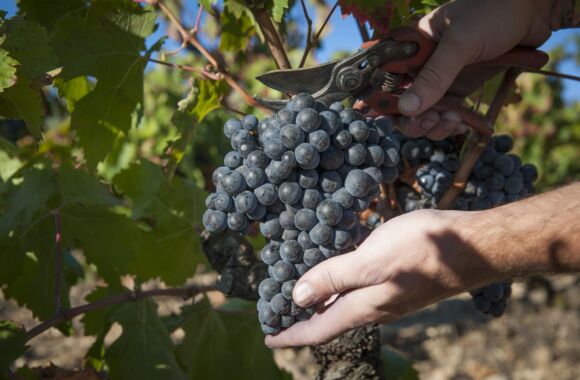
The vines, closely watched. All the vines are managed with sustainable farming. The soils are worked mechanically, ploughed every other row when the vines need all the water, and some grass is left in place to keep the soil alive. Plant compost is spread every other year. Treatments are limited to copper and sulphur, and the wind helps keep the vines healthy. From the end of the harvest until spring, a shepherd leads eighty sheep between the rows to weed them.
The cellars. The estate makes its wine in three cellars built over the years: the stainless steel vat room, the barrel cellar and the concrete cellar. The reds ferment in open-topped wooden vats, where the grapes are trodden by foot or with a pijou, a long wooden handle used to push down the cap of skins. The Syrahs are aged for 12 to 18 months in new barrels. The rosés are made in temperature-controlled stainless steel vats, and the whites go through the pneumatic press before, for some, ageing in barrels or demi-muids.
Art, everywhere. In the cellar, more than 160 barrels painted by artists form a collection that can be visited by appointment. Near the château, the Barrik'Art, a giant barrel 12 metres long and 6 metres high, welcomes visitors.
Olive oil. The estate's olive trees, mainly Lucques and Picholines, produce around 3,000 litres of oil a year, depending on the year. It goes to delicatessens, restaurant tables and hotels, and each harvest finds buyers within the year.
The next generation. Since September 2024, Arnaud Demongeot has run the house, and Gérard Bru, who founded it, has stepped back from day-to-day operations. Around thirty people run the estate every day, joined by extra hands for the harvest, the vineyard work and the olive picking.
TO DISCOVER
The estate in detail
The terroirs of Saint-Drézéry and Pic Saint-Loup, the estate's châteaux, its wines and cellar visits.