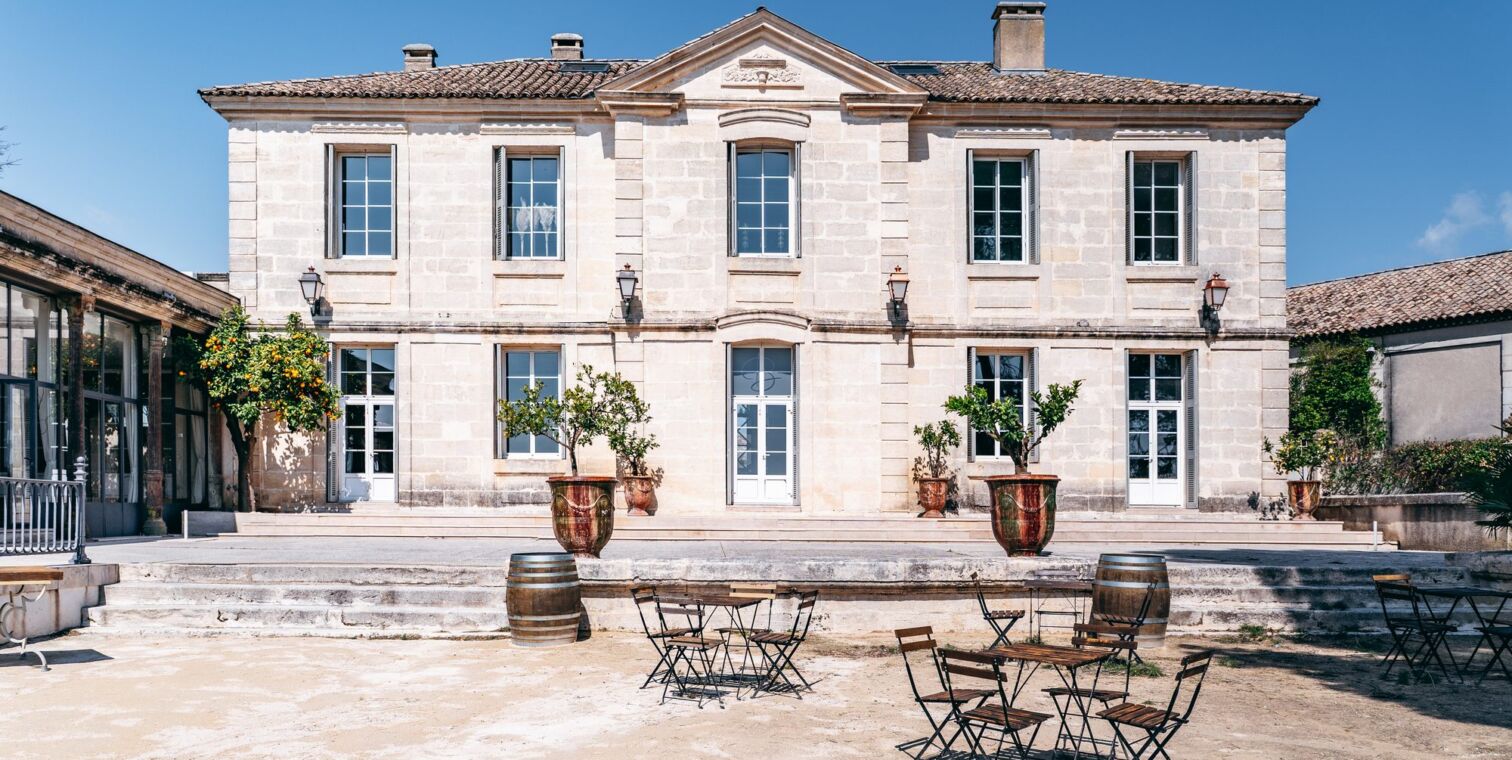
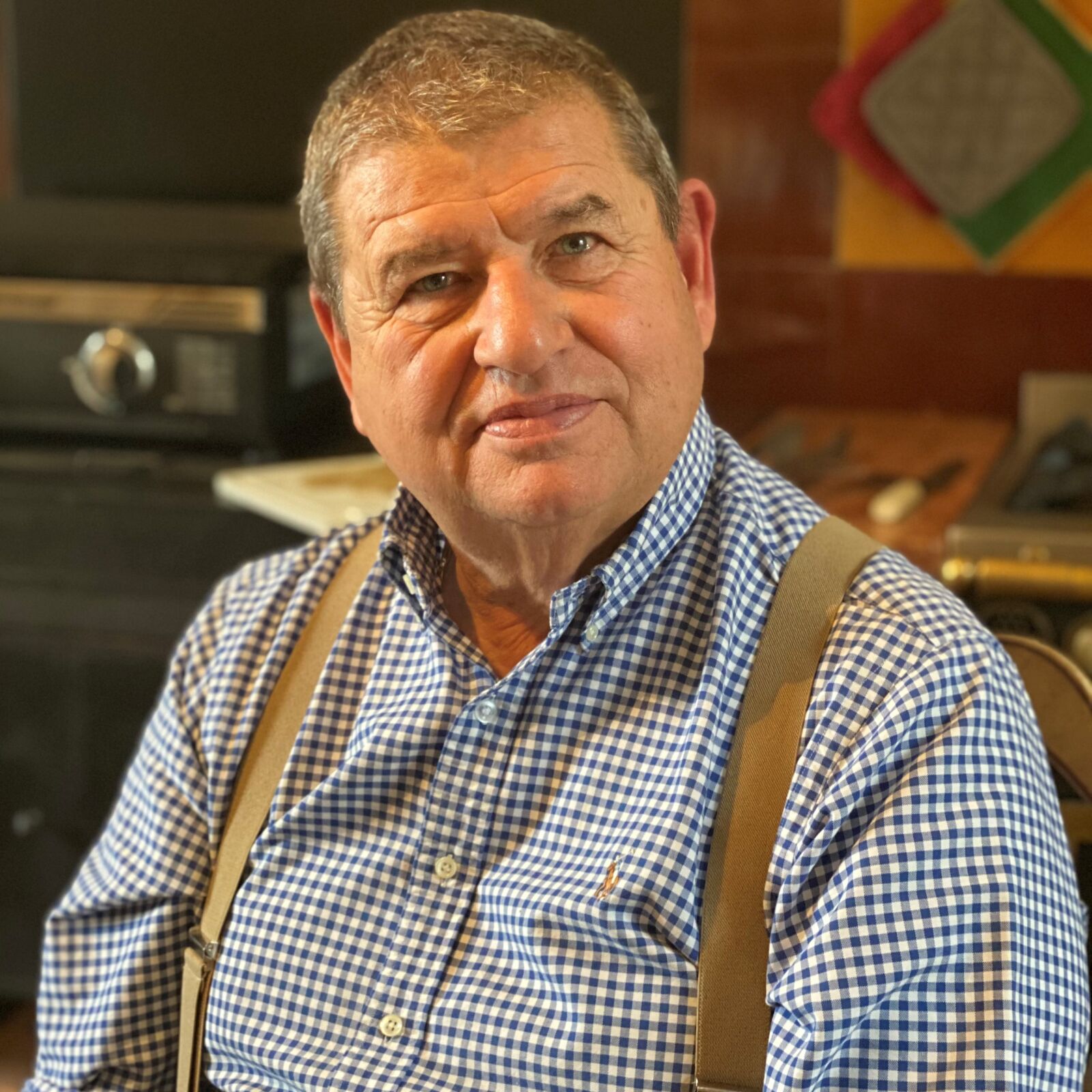
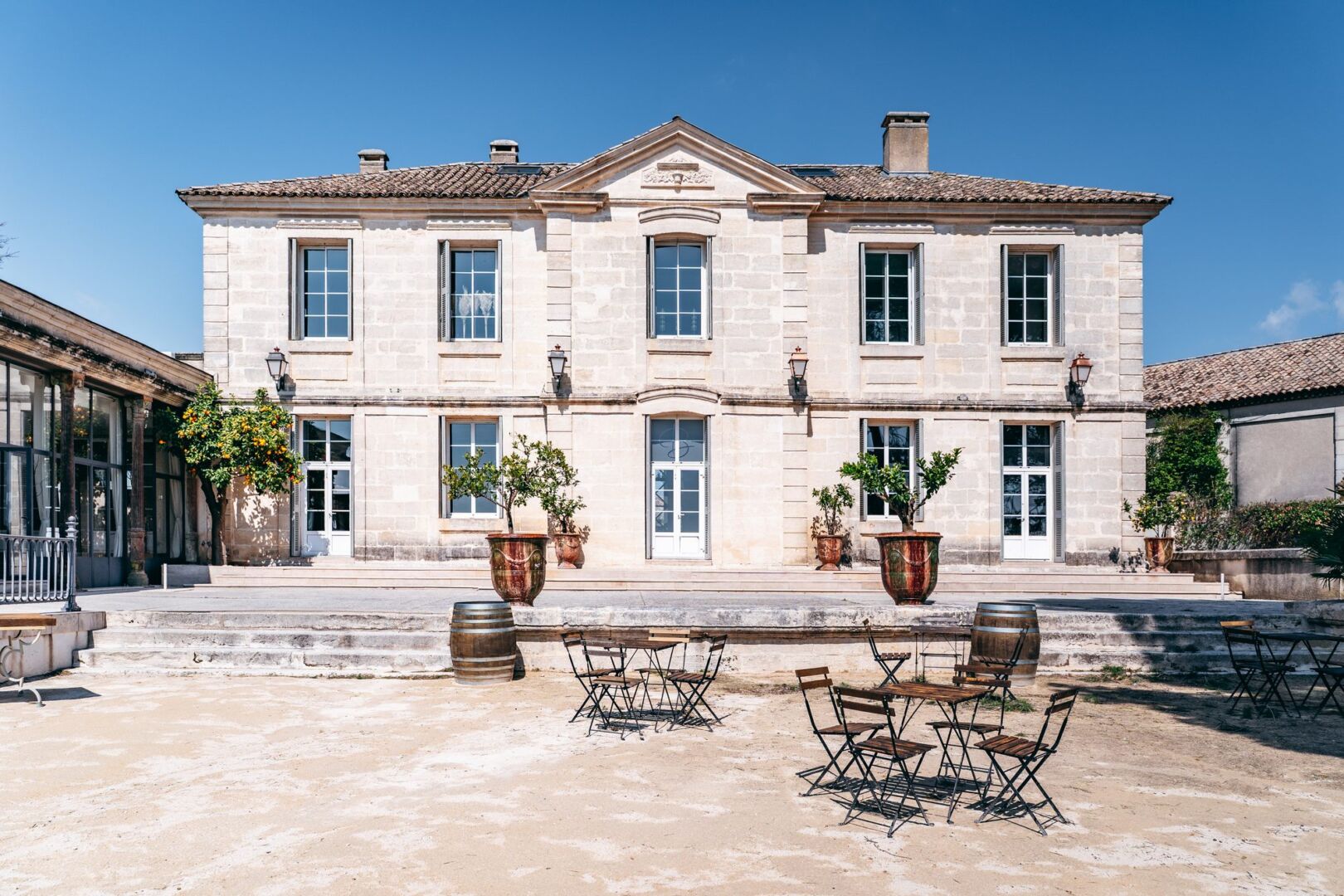
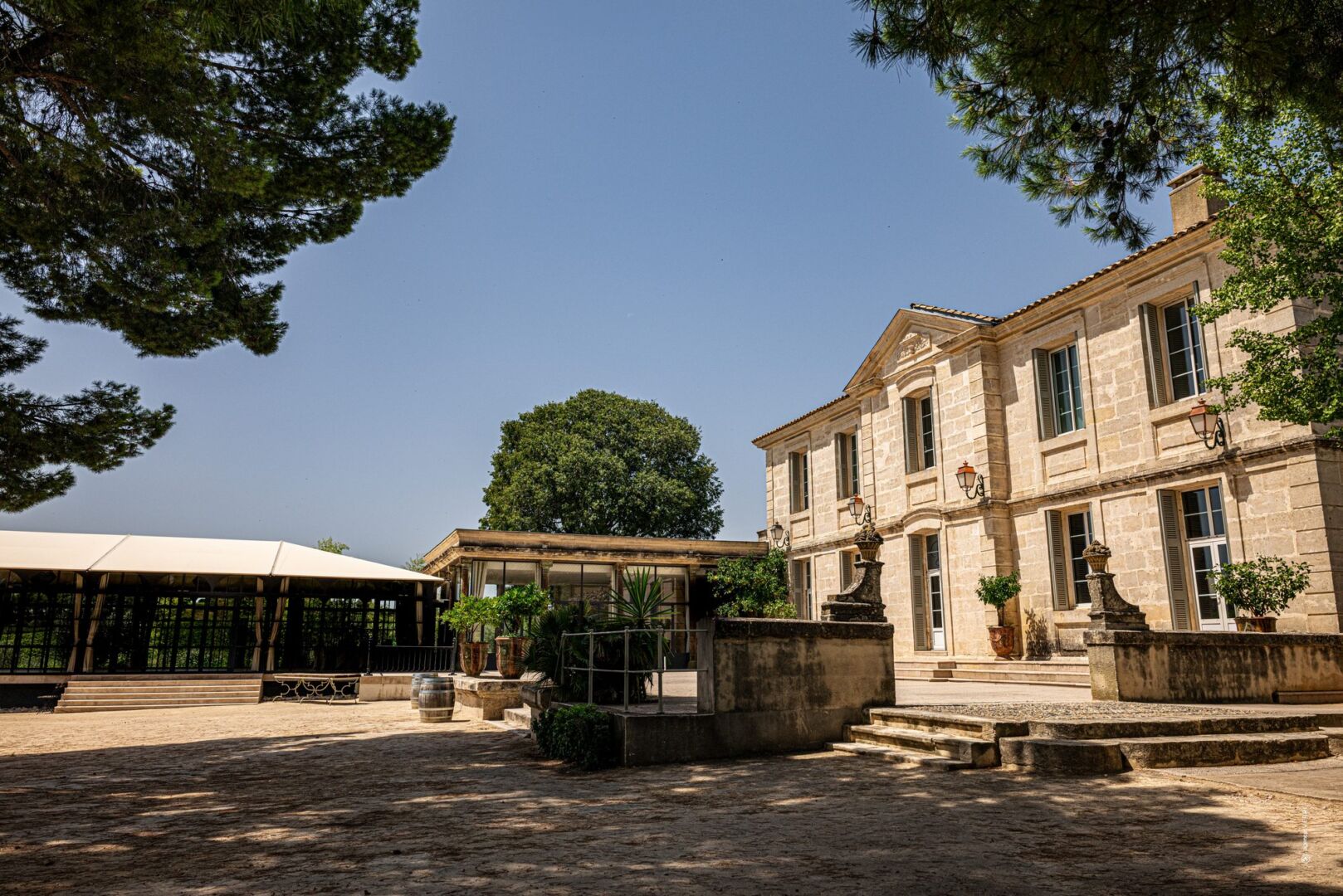
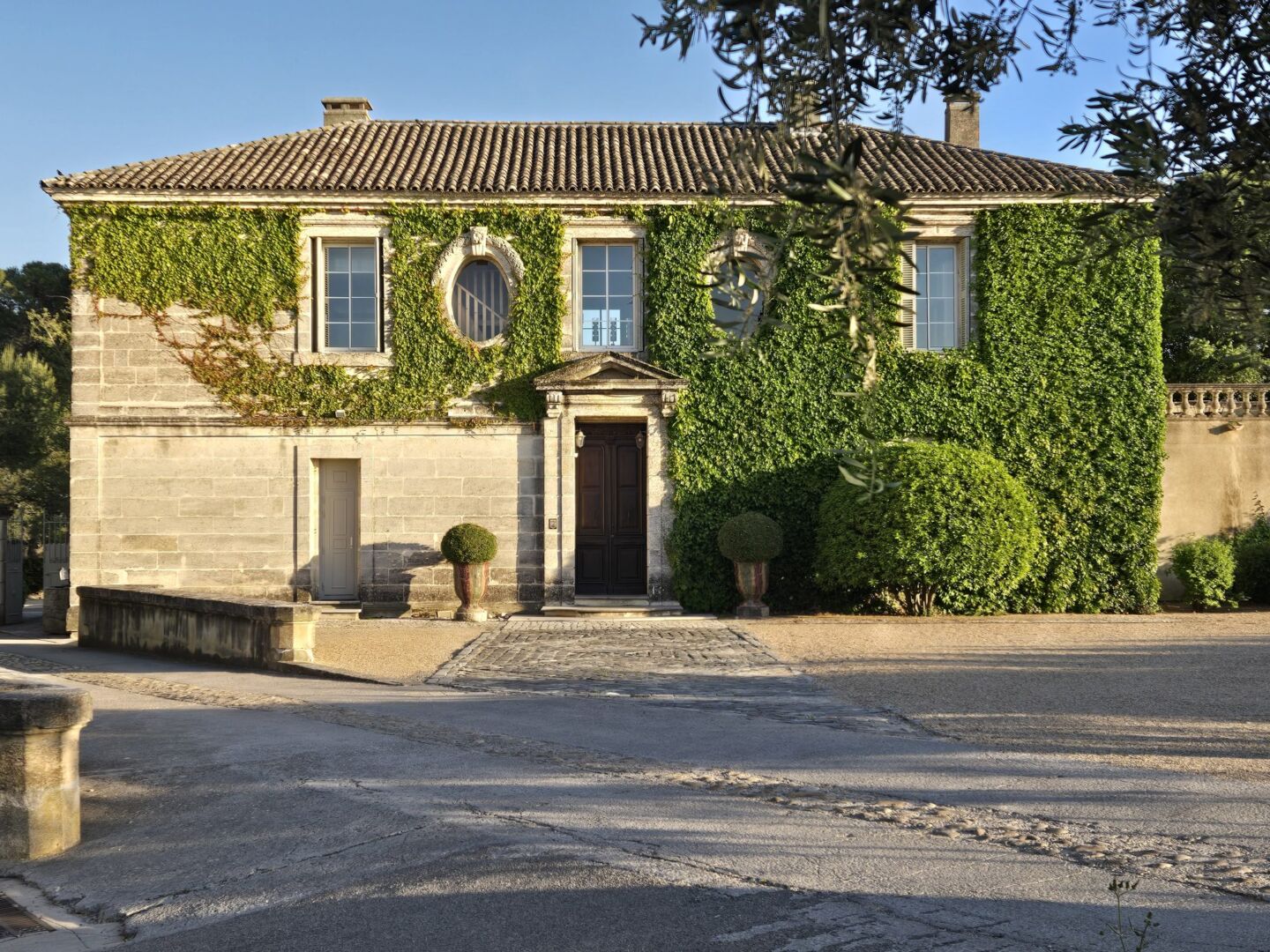
In the beginning, there was garrigue here and a few rows of vines. Gérard Bru imagined everything, from the vineyard to the emblem. Even the château comes from elsewhere: it is the former prefecture of Montpellier.
THE ORIGINS
Everything had to be created
KEY DATES
From the 1970s to today
01The 1970s
Gérard Bru, then an industrialist, buys one by one the plots surrounding his grandmother's little vineyard.
02The 1980s
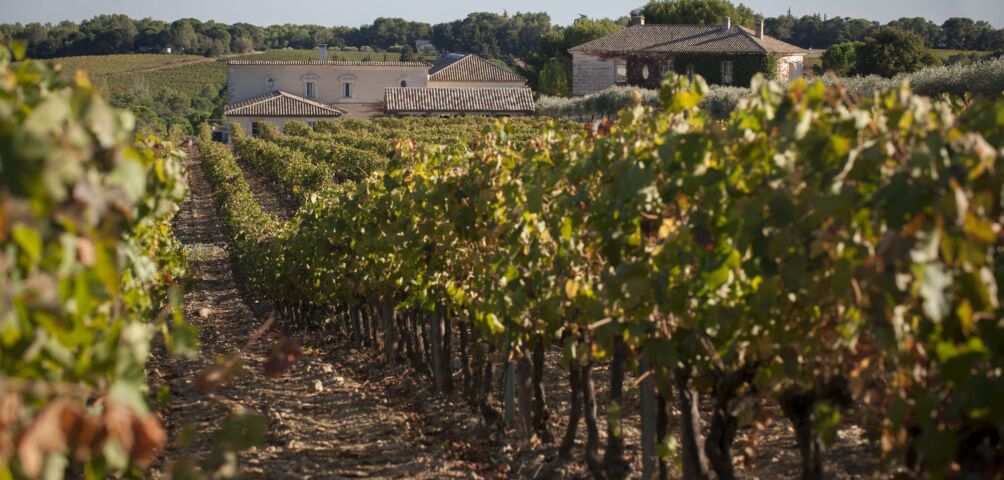
Around a hundred hectares in a single block are brought together, between vines and garrigue, then planted.
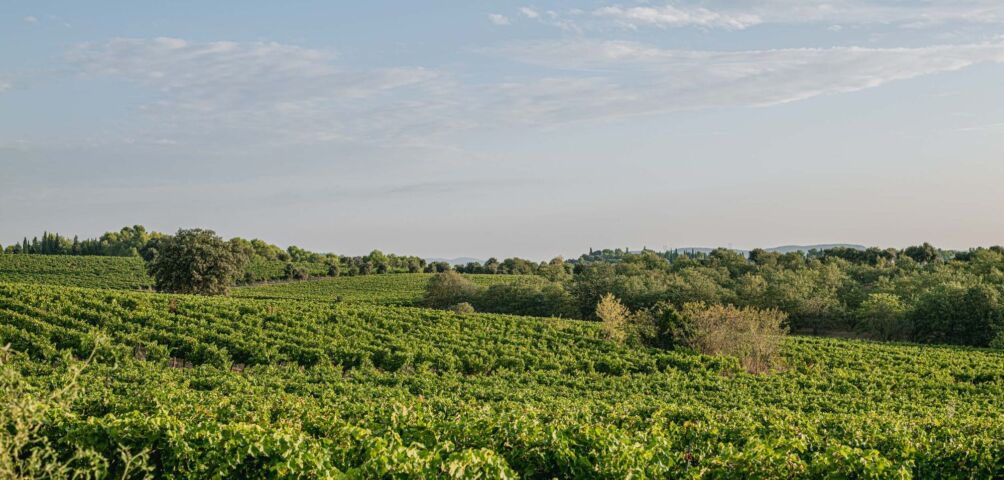
031994
First harvest under the Puech-Haut label. Until then, the grapes went to the village cooperative winery.
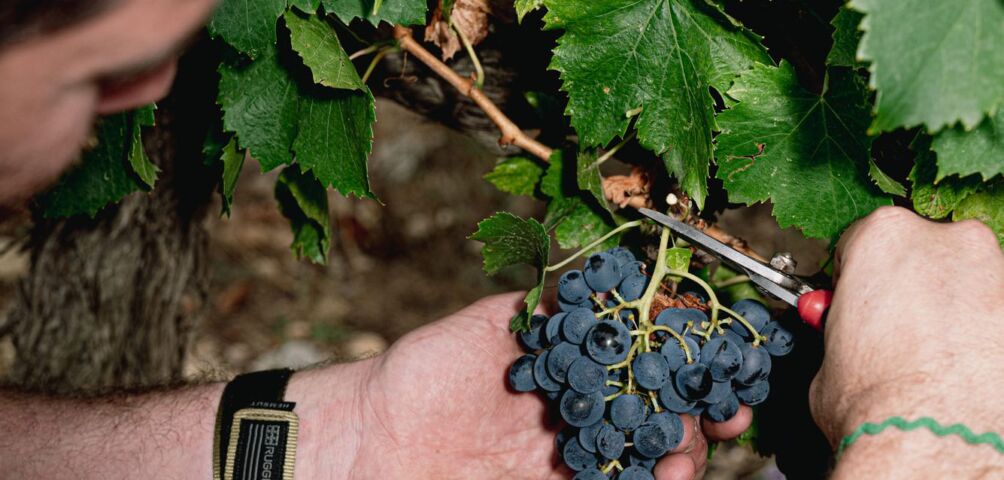
042007
The first Bib'Arts are released: barrel-shaped wine fountains, dressed in an artist's work.
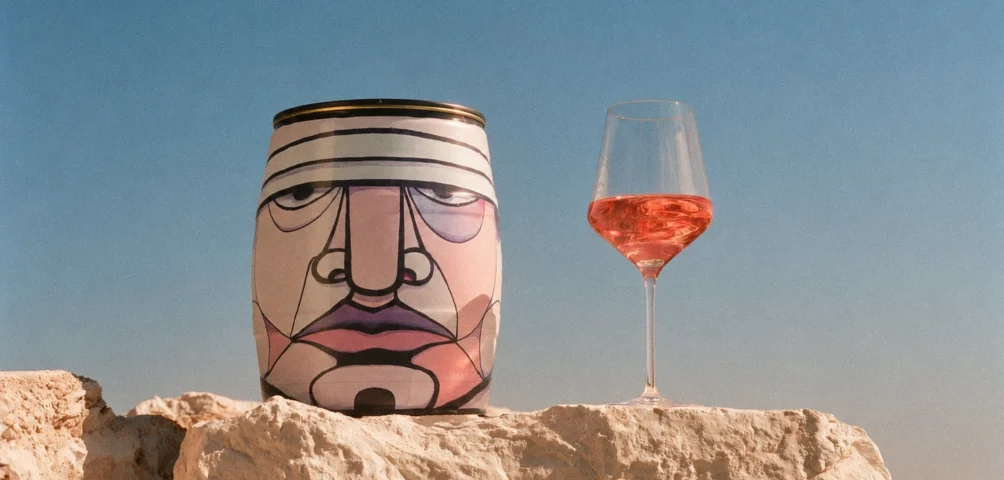
052010
Domaine de Theyron is certified for sustainable farming.
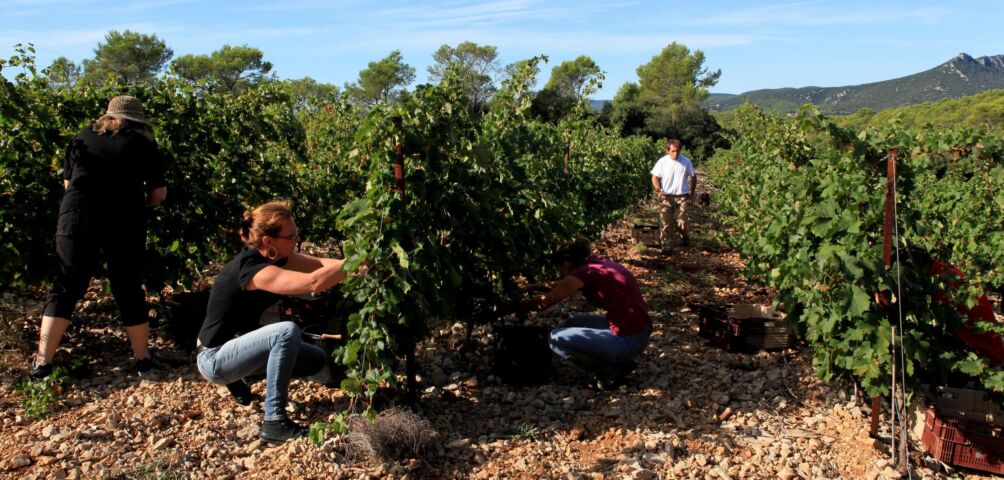
062017
Puech-Haut takes over Château Lavabre, the year Pic Saint-Loup becomes an AOP in its own right.
Everything had to be created: the wines, the cuvées, the name of the estate, the logo, the emblem.Arnaud Demongeot
IN PICTURES
The estate over time
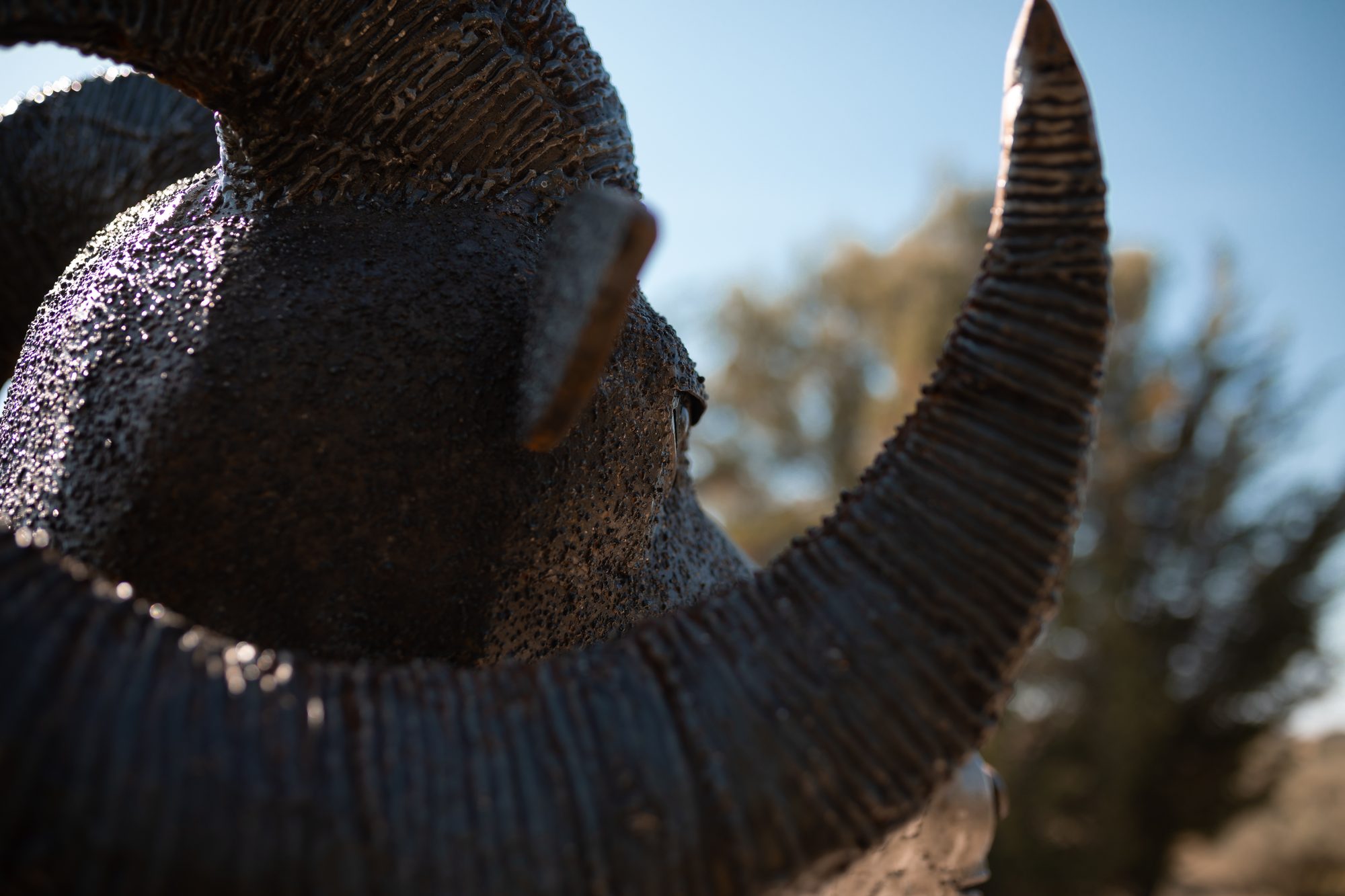
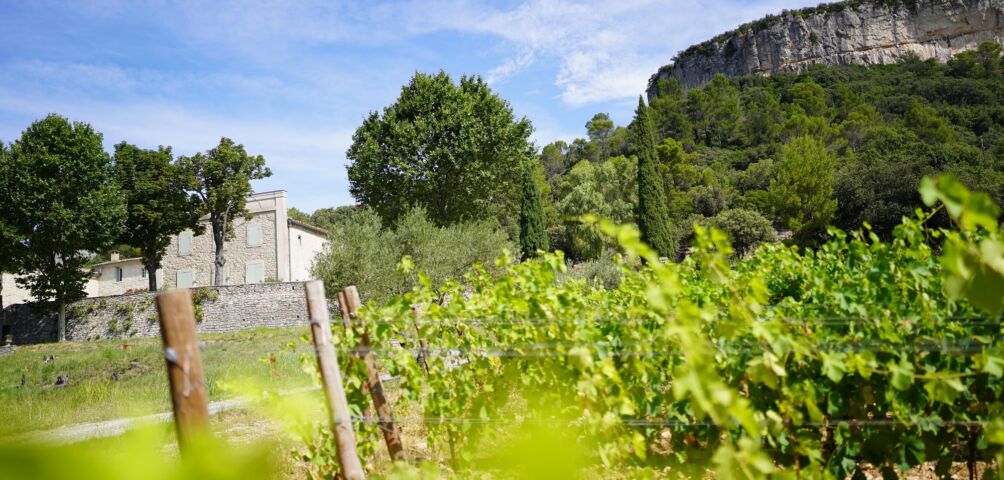
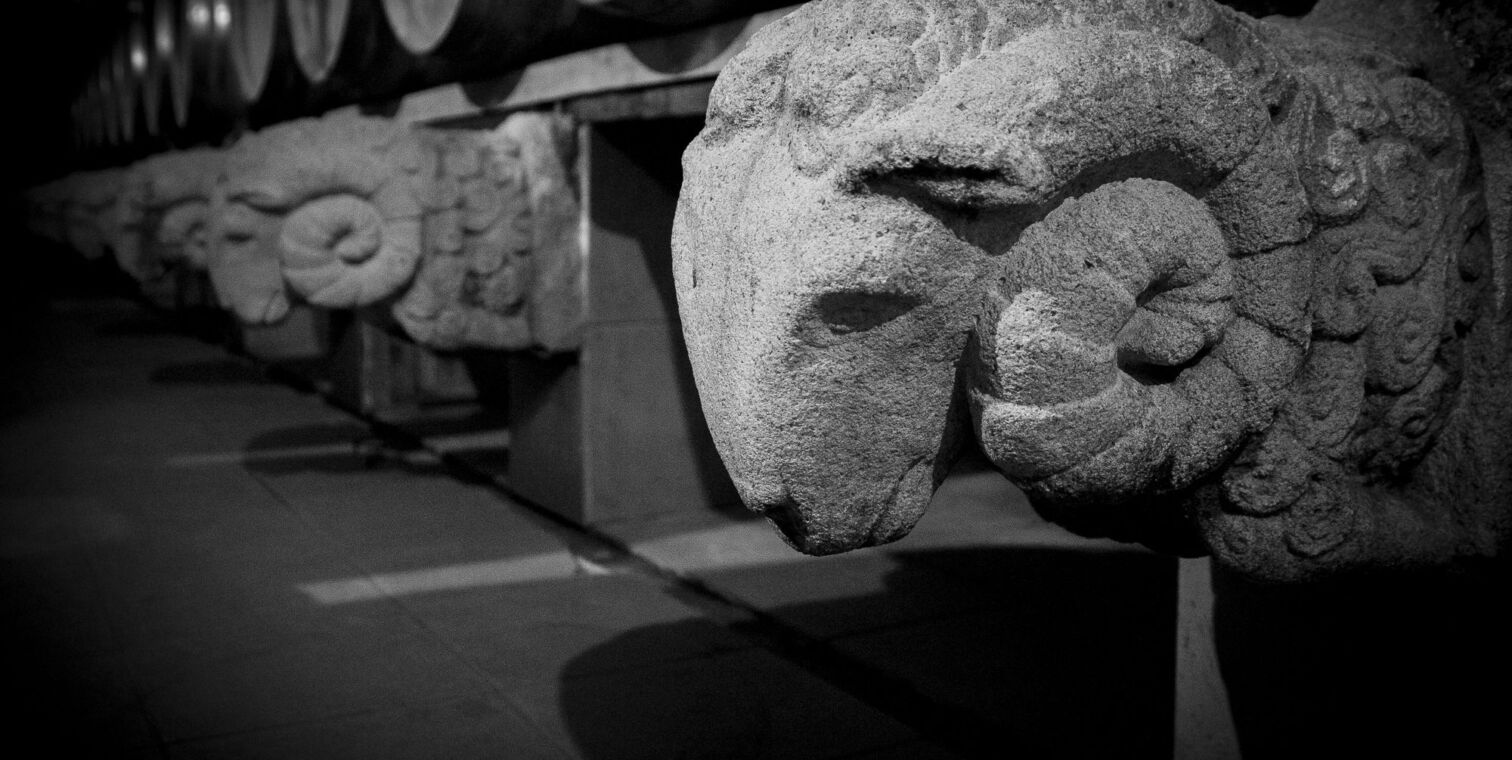
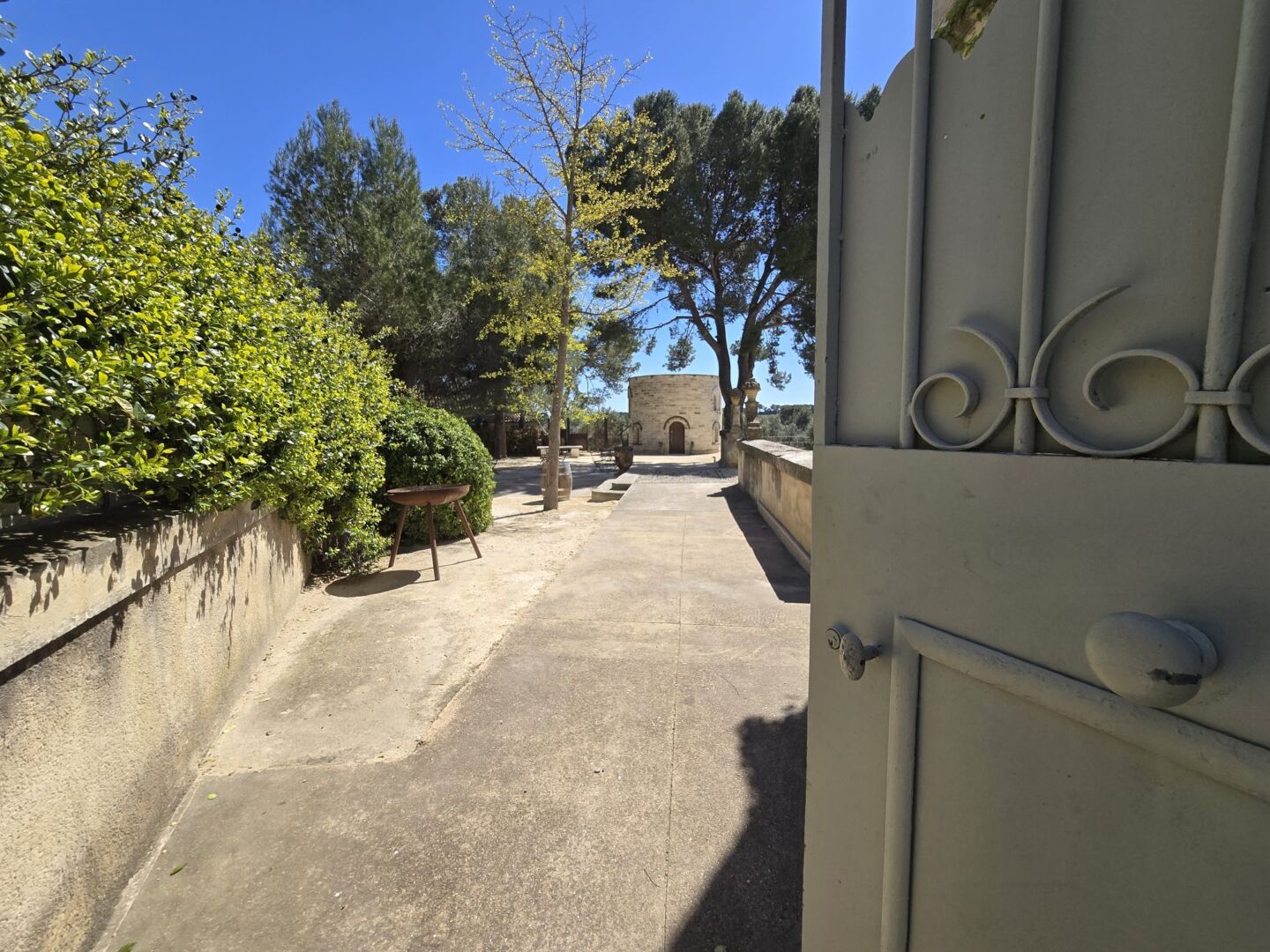
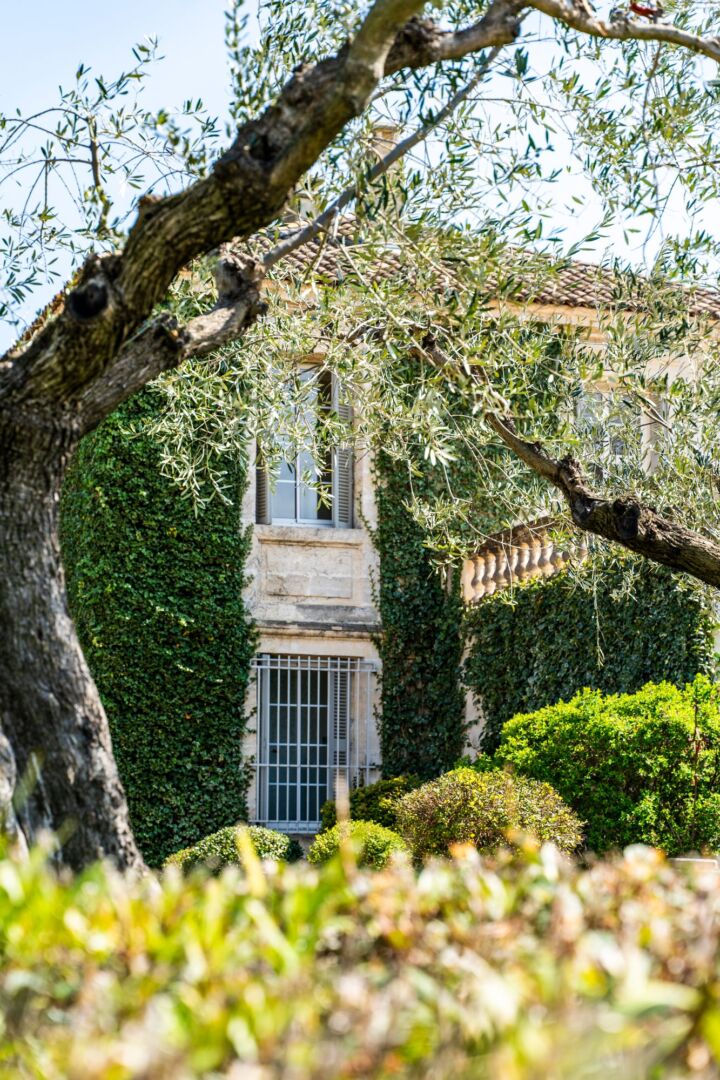
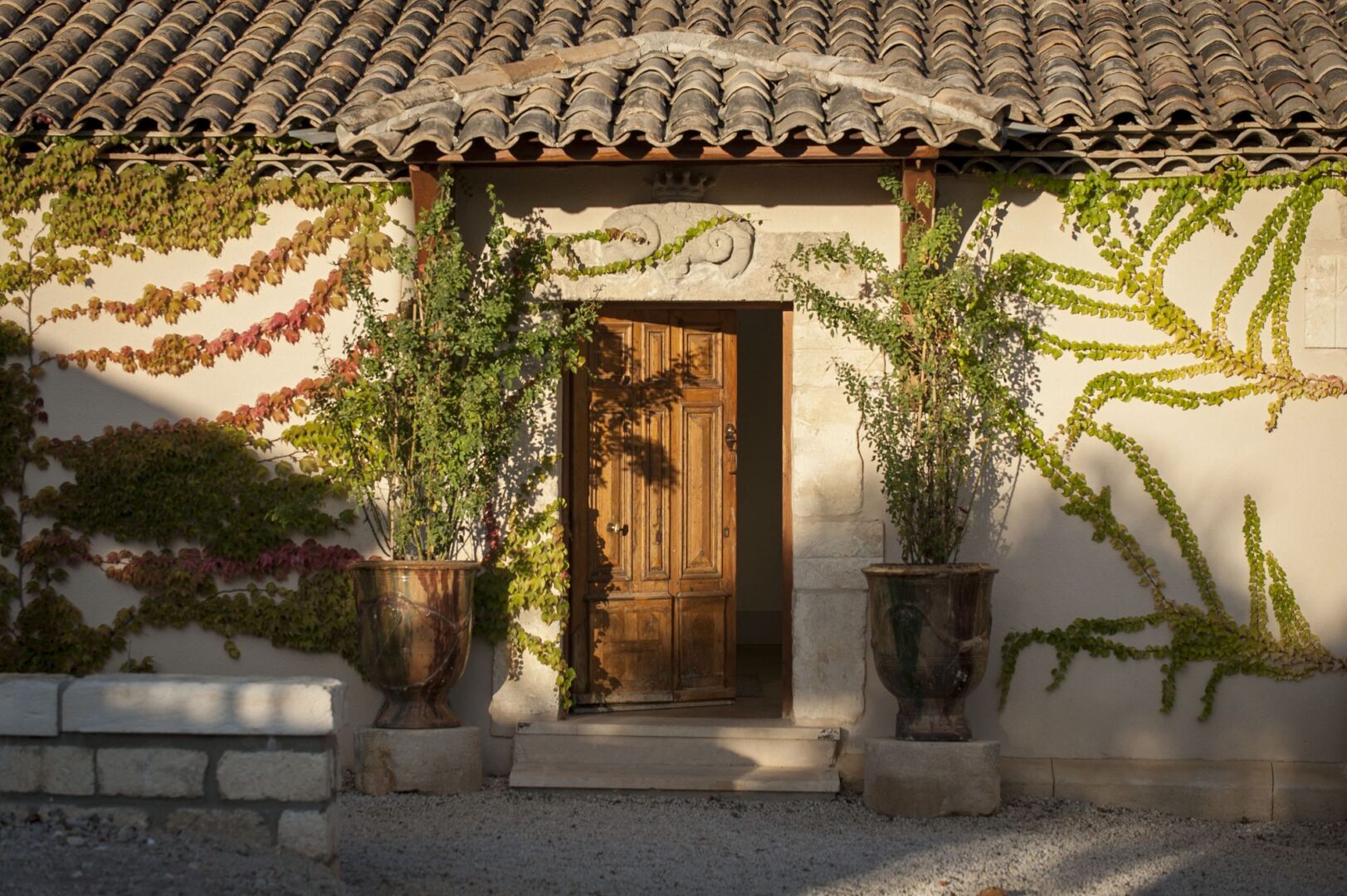
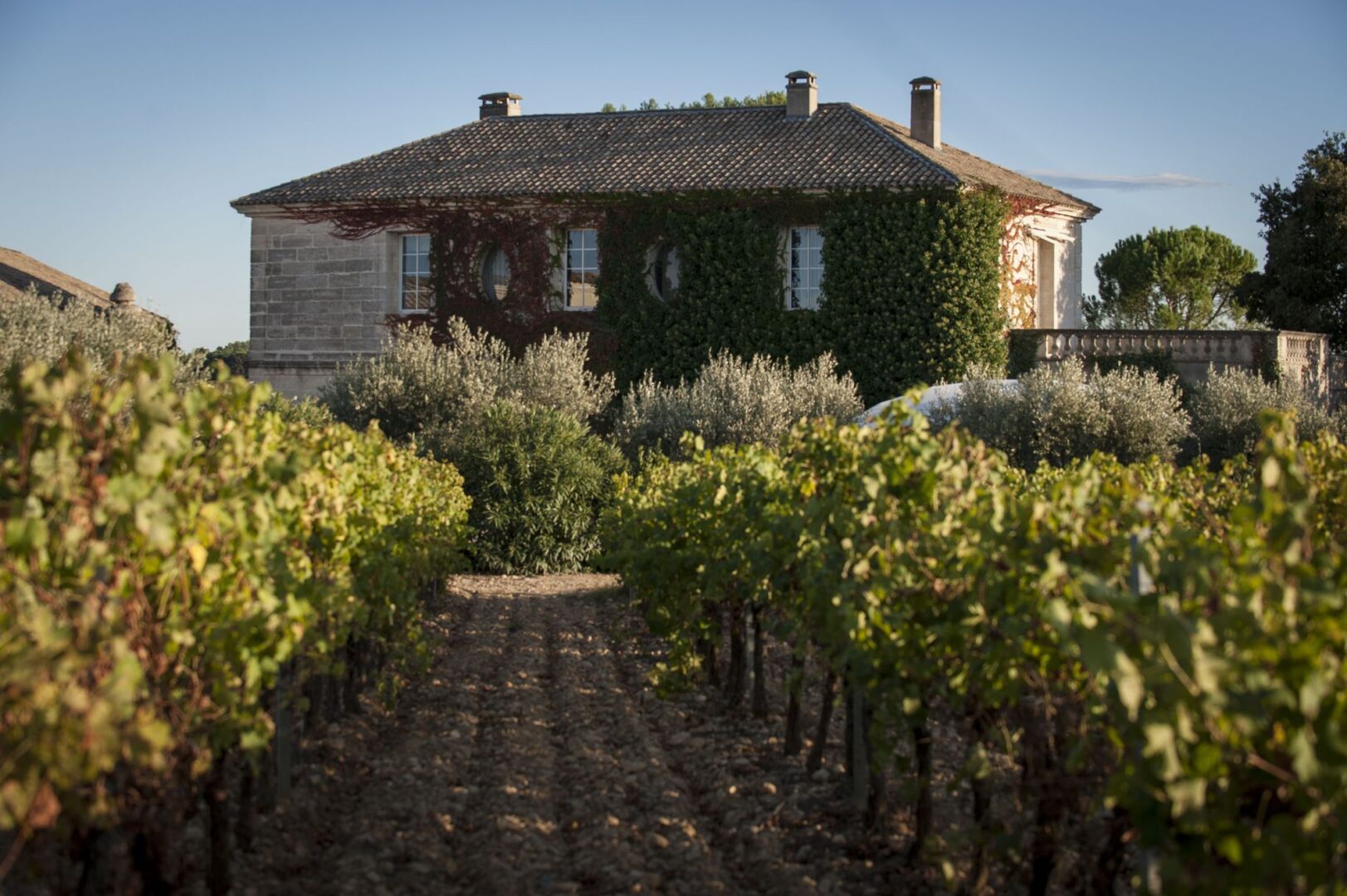
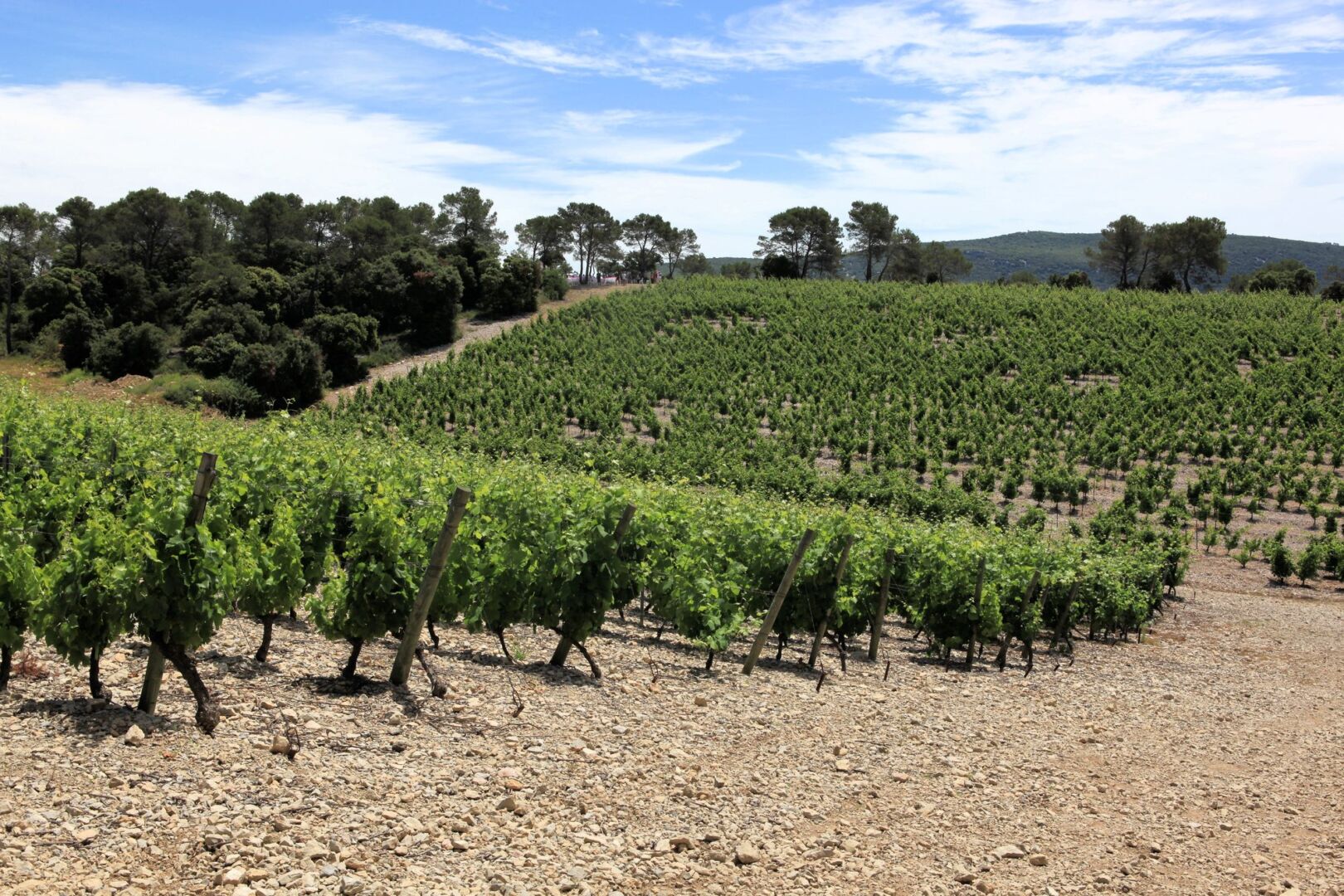
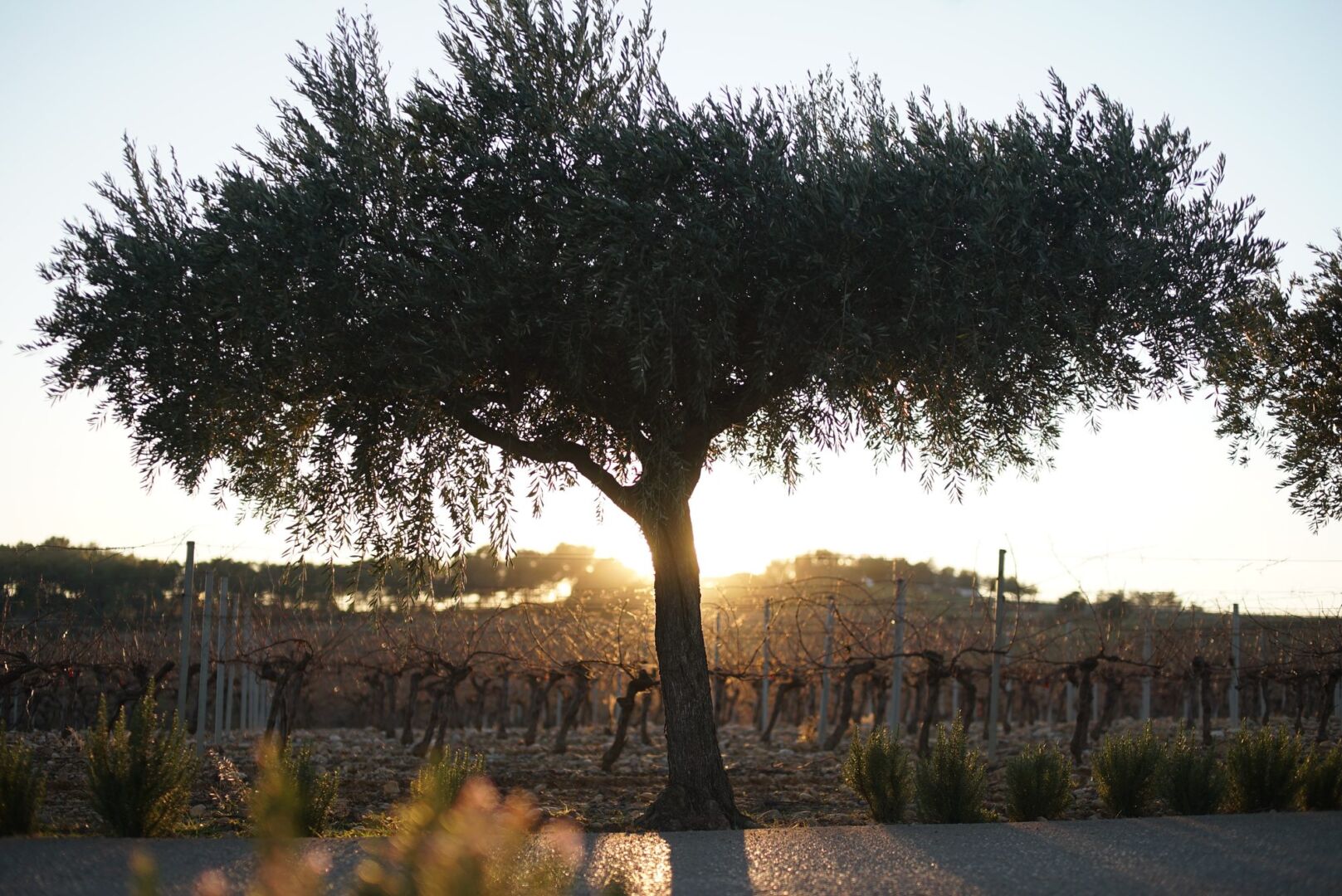
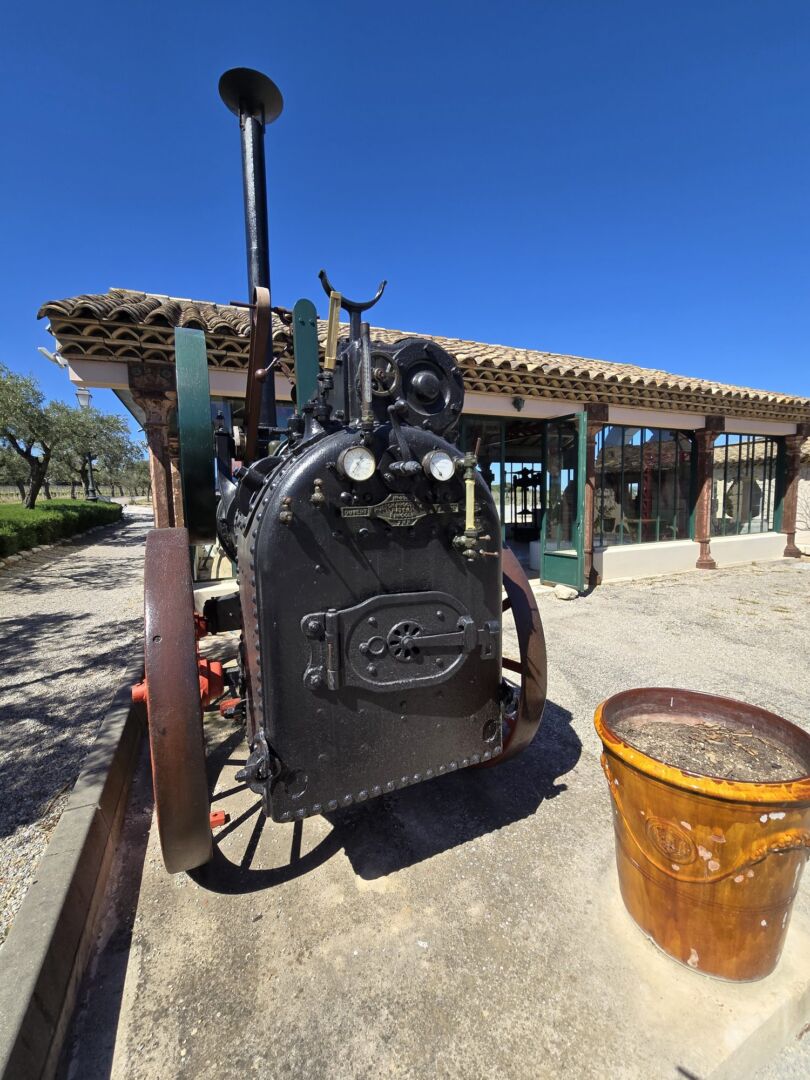
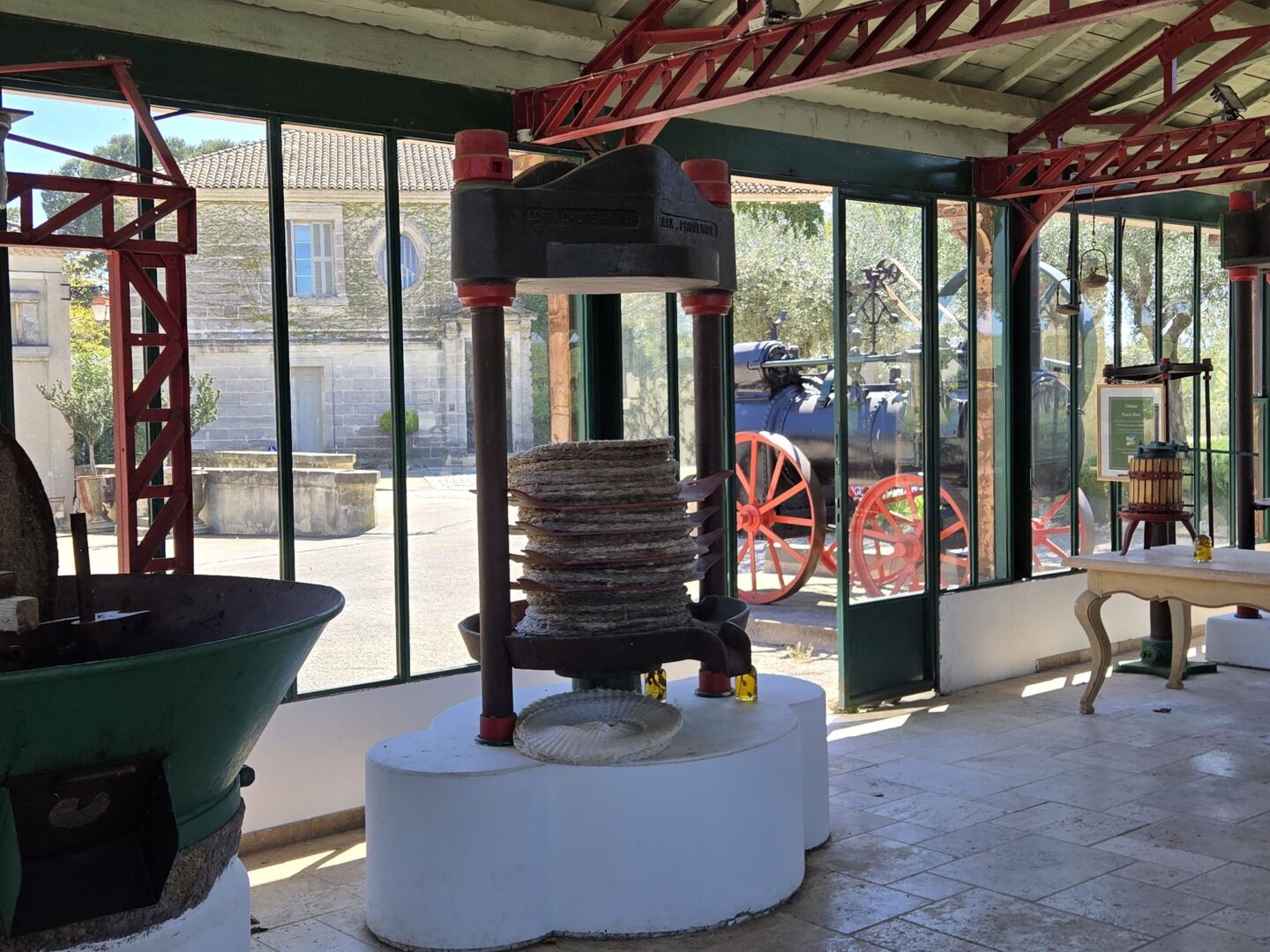
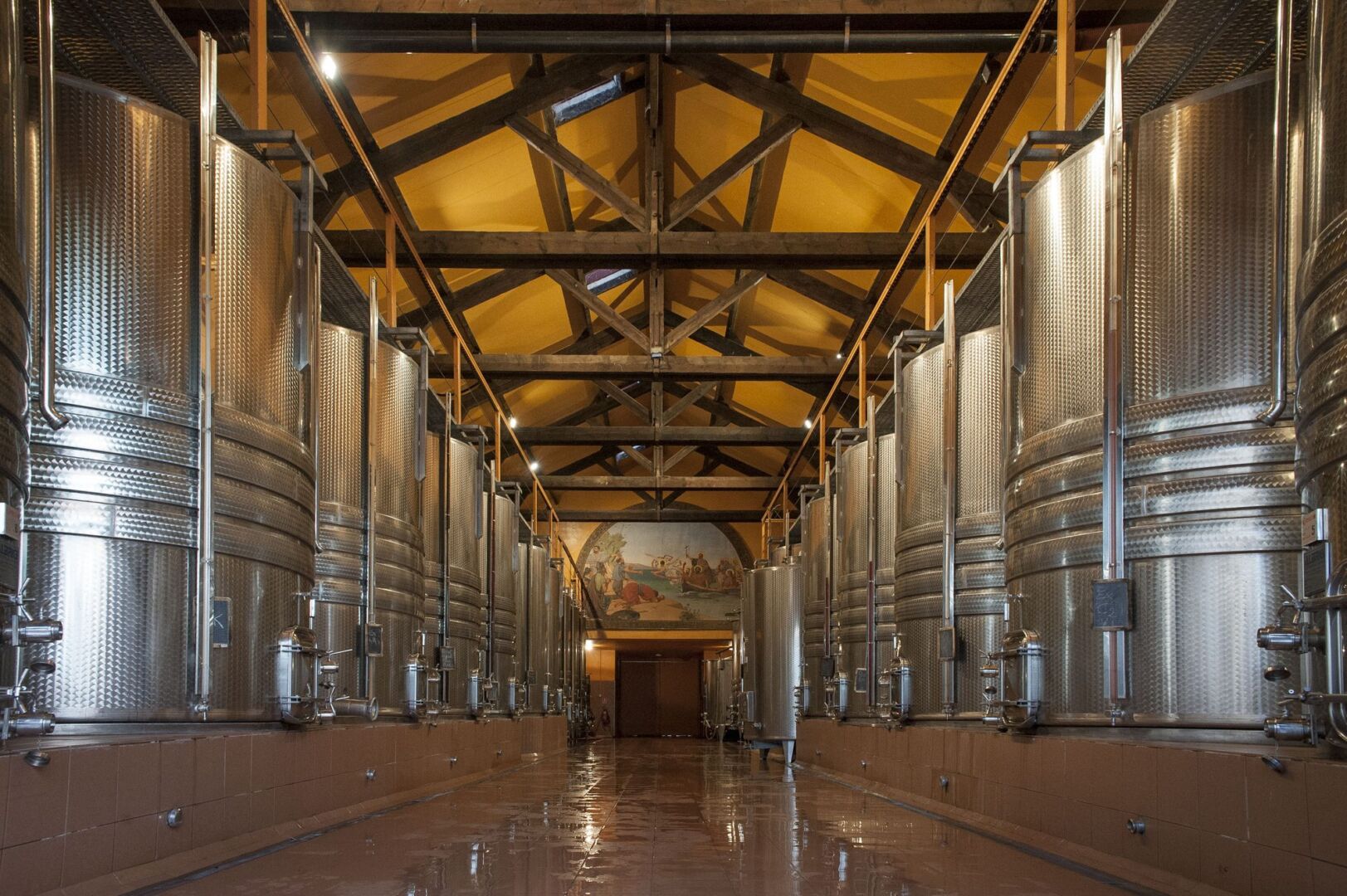
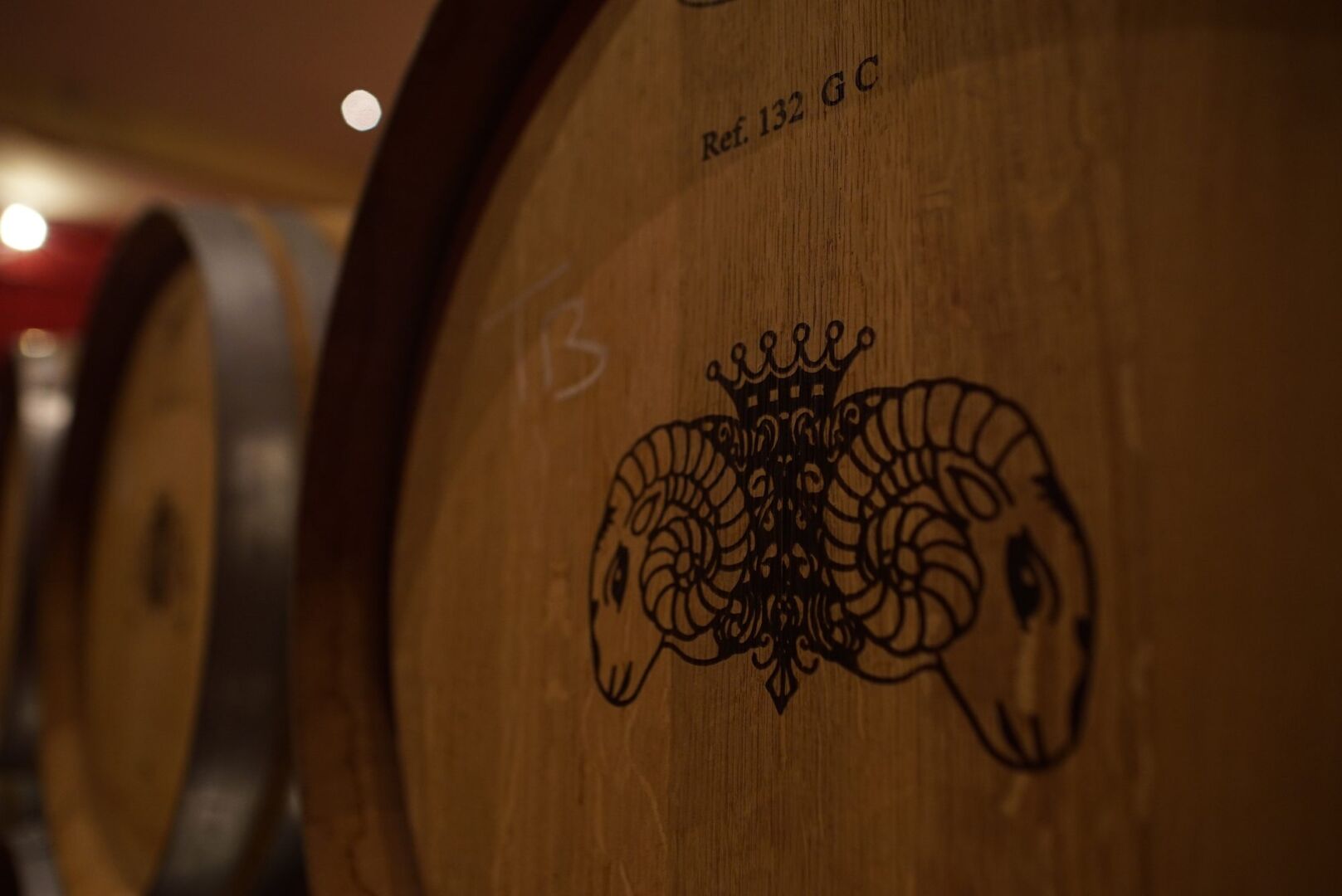
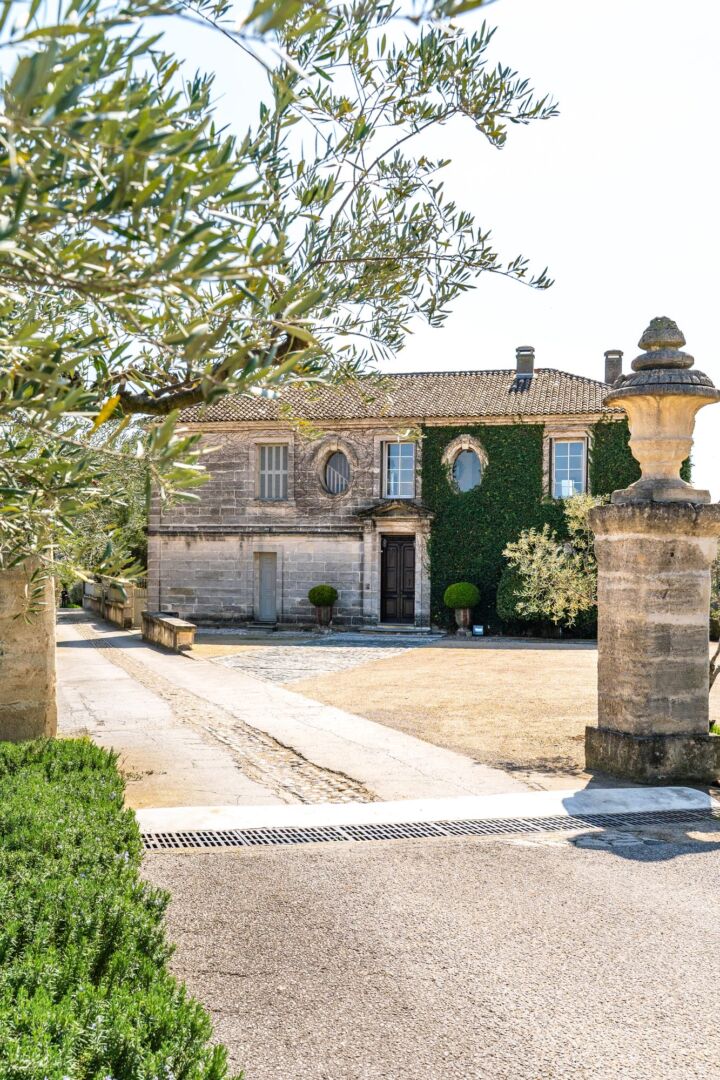
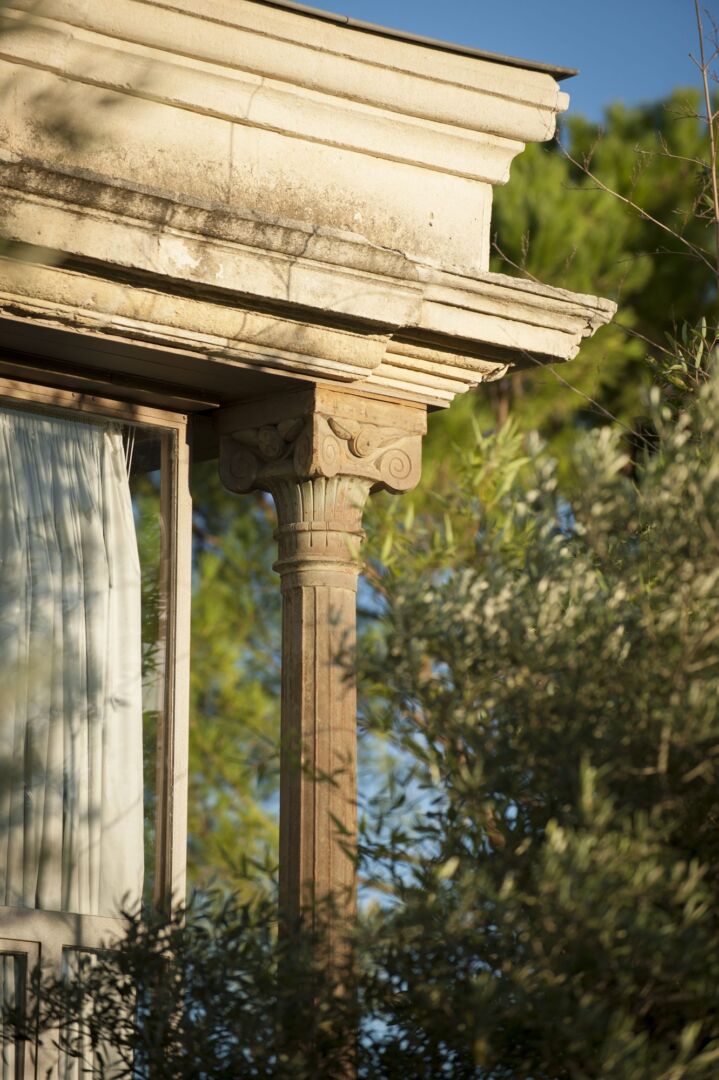
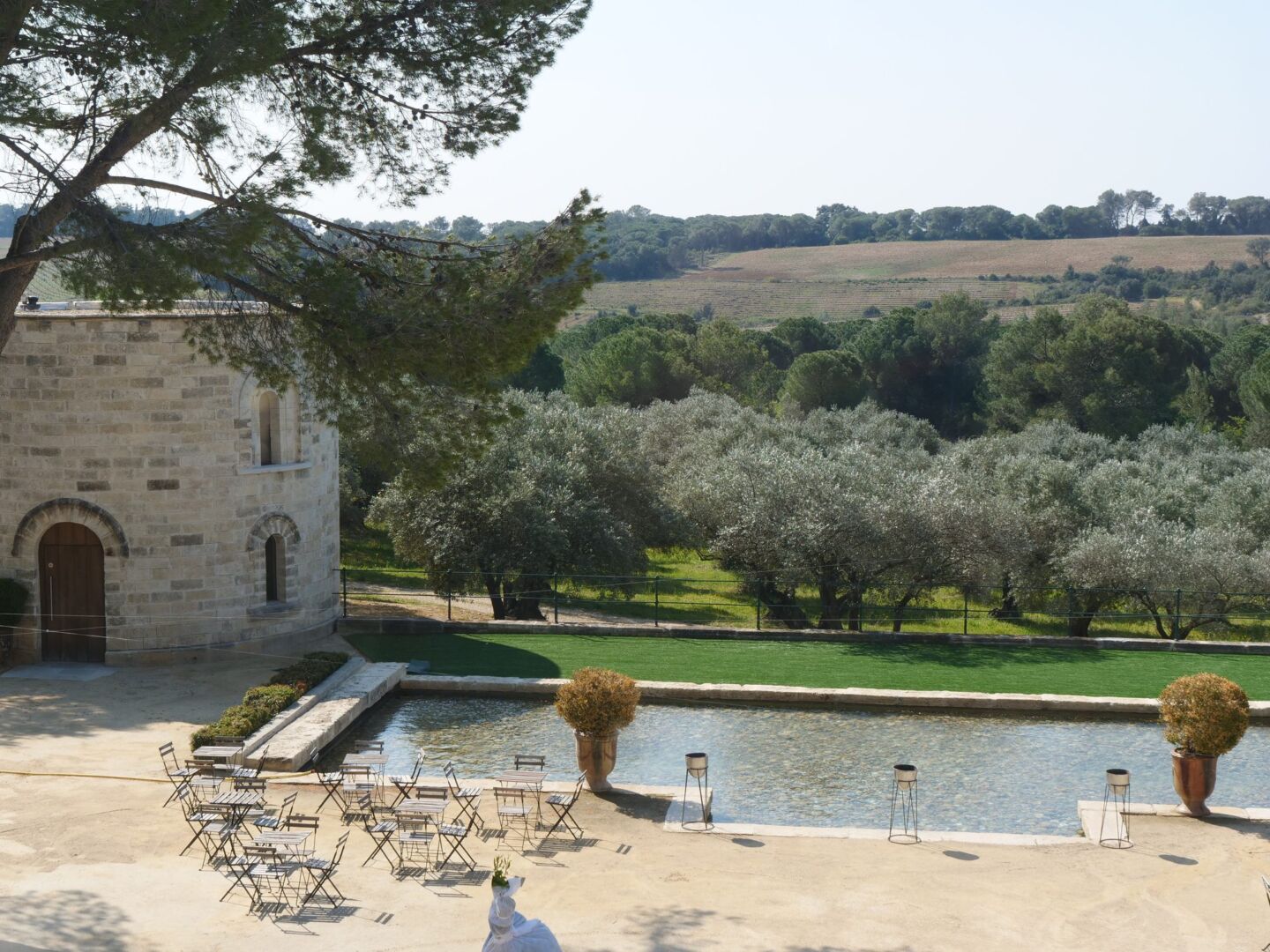
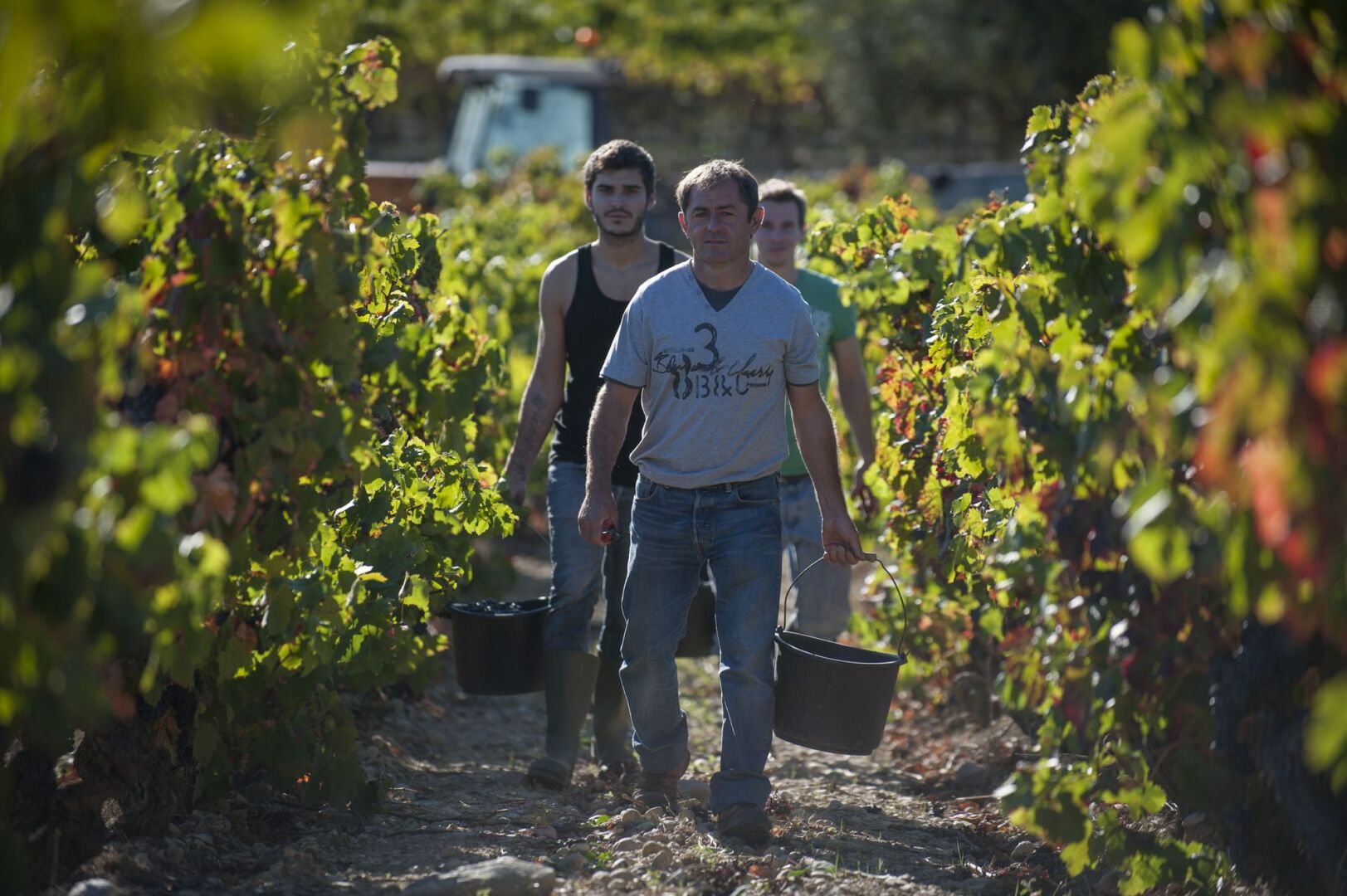
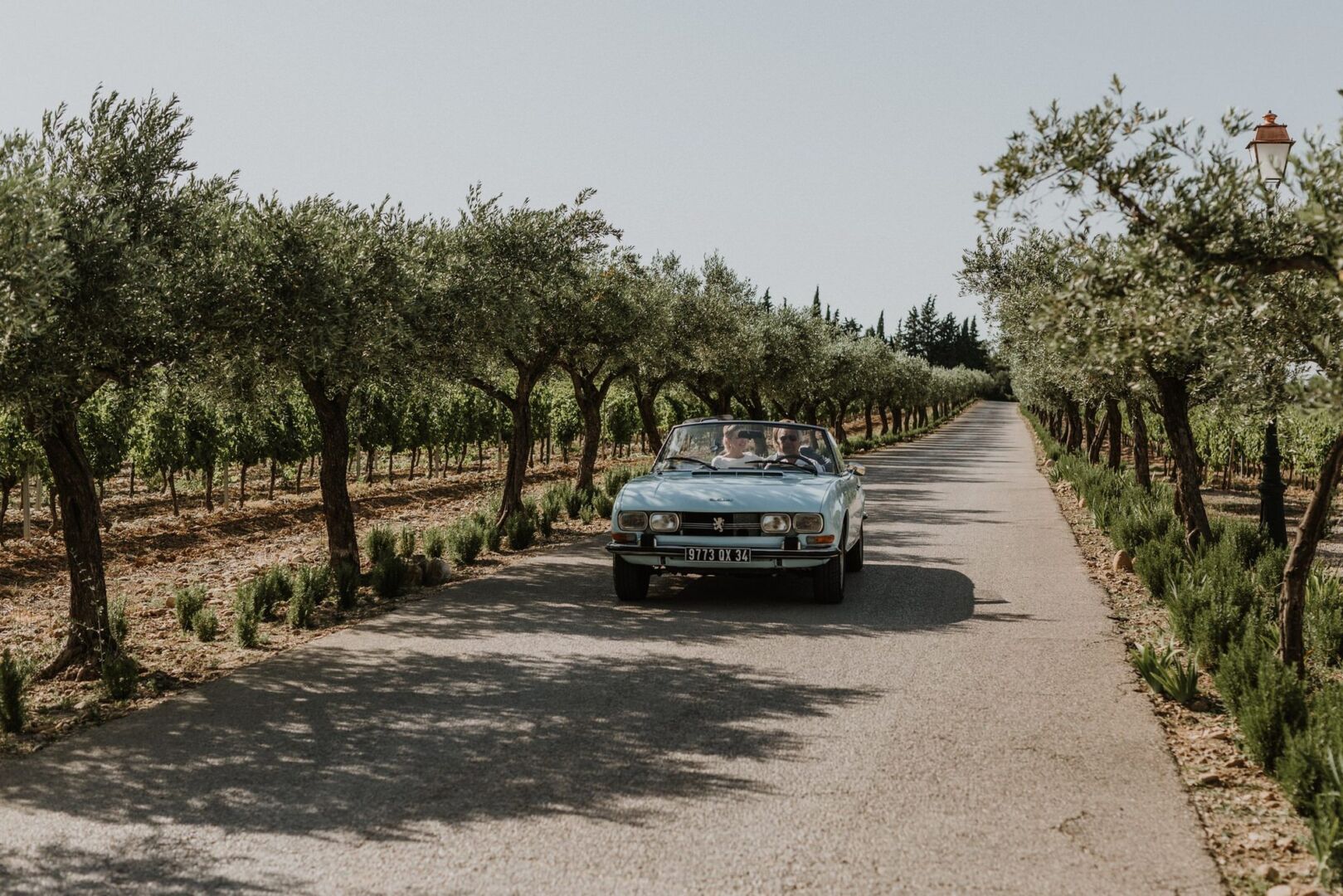
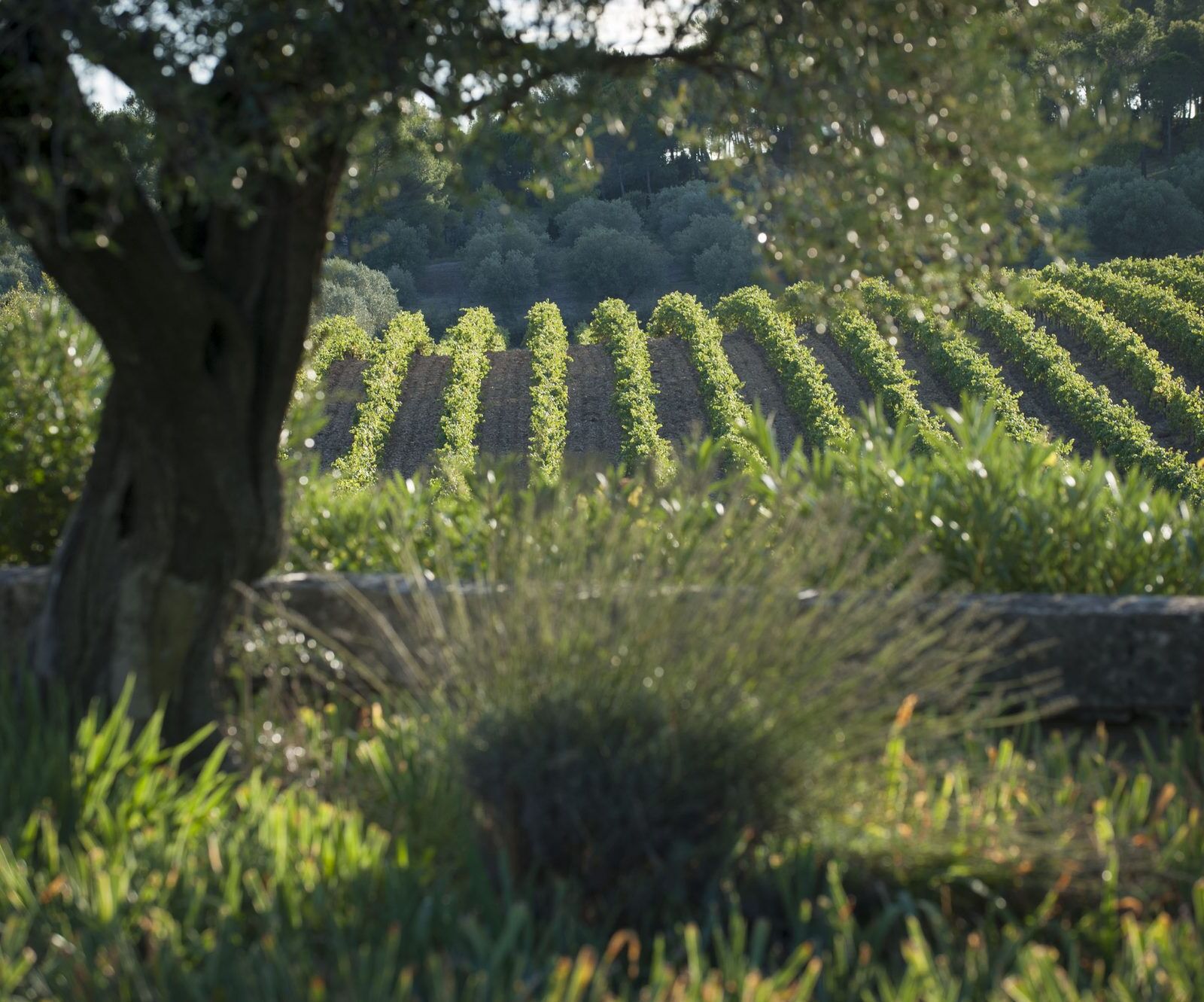
The château rebuilt stone by stone, the ram's head displayed in the cellar shop, the cellars, and the Saint-Drézéry vines set on their rolled pebbles.
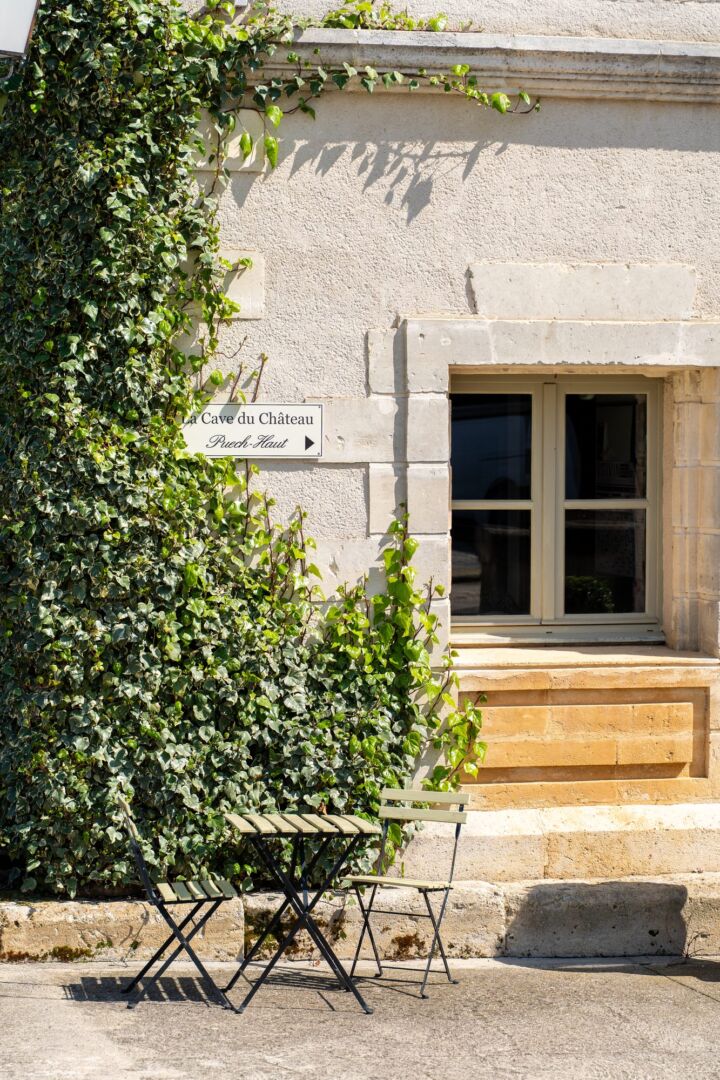
THE STORY
The history in detail
A small family vineyard, an industrialist returning home, and half a century later, 165 hectares of vines, a château and a ram known far beyond the Languedoc.A name that comes from the hill. In Occitan, a puech is a hill. The estate sits on one of the highest points of the Saint-Drézéry area, and the name came naturally. All around, there is garrigue, wild olive trees and the round, pale rolled pebbles left by the Rhône in the Quaternary.
The grandmother's vineyard. It all starts with a tiny plot that belonged to Gérard Bru's grandmother. He has known the vines since childhood: his grandfather introduced him to them, and his father was the bursar of the École nationale supérieure d'agronomie in Montpellier. The Bru family have been winegrowers since 1605, between the Aude and the Hérault.
An industrialist returns to the land. Gérard Bru first made his career far from the vines, in electrical transformers. He created, sold and built factories all over the world, notably for Alstom and General Electric. In the 1970s, the idea of a wine estate never leaves him. He buys up the land around the family plot, one parcel at a time, vines and garrigue mixed together. By the end of the 1980s, he has brought together around a hundred hectares in a single block.
The cooperative years. The vines are planted, grow and give their first grapes. Meanwhile, the harvest goes to the Saint-Drézéry cooperative winery. It is not until 1994 that the first harvest under the Puech-Haut label appears.
Building everything. The cellars and the cellar shop still have to be built. Gérard Bru starts with the stainless steel vat room, followed by the barrel cellar, then the concrete cellar. For the château, he chooses an unusual solution: the former prefecture of Montpellier is dismantled stone by stone, transported to Saint-Drézéry and rebuilt in the middle of the vines.
The ram unearthed. During the works, a Roman-era stone ram's head appears in the estate's soil. An emblem was needed: this was it. Now displayed in the cellar shop, it gave its name to the Tête de Bélier cuvée and its face to the whole house.
Making a name through beauty. Gérard Bru came to wine with the eye of an industrialist and a creative. He focused on the object: a bottle with a recognisable shape, satin-finished in an acid bath to give it its frosted look, and a glass stopper, of which Puech-Haut was one of the first users in France. The press took an interest, and the great restaurants followed. An extra surprise came along that no one had foreseen: in many restaurants, the empty bottles are still used as water carafes.
Art at the estate. The artists arrived early. More than 160 of them have painted a barrel at the estate, and the collection is displayed in the cellar. In 2007 the Bib'Arts were born, barrel-shaped wine fountains dressed with the reproduction of a work of art: nearly 200 designs since then, from Robert Combas to Chantal Thomass. Near the château, the Barrik'Art, a giant barrel 12 metres long and 6 metres high, serves as a landmark for visitors.
Four estates. Puech-Haut grew with Domaine de Theyron, some fifteen hectares about ten kilometres from the château, then Château Lavabre in 2017, in Pic Saint-Loup, with Clos du Pic, designed by the architect Rudy Ricciotti. The vines now cover around 165 hectares, all managed with sustainable farming.
Passing the baton. In 2004, Gérard Bru met Arnaud Demongeot, a sommelier turned distributor, who would carry Puech-Haut wines for twenty years. Gérard Bru asked him three times to come and run the house. The third time was the charm: since September 2024, Arnaud Demongeot has headed the estate, and Gérard Bru has stepped back from day-to-day operations.
TO DISCOVER
Continue the story
The Saint-Drézéry region, the team that brings the estate to life today, and the terroirs where its vines grow.