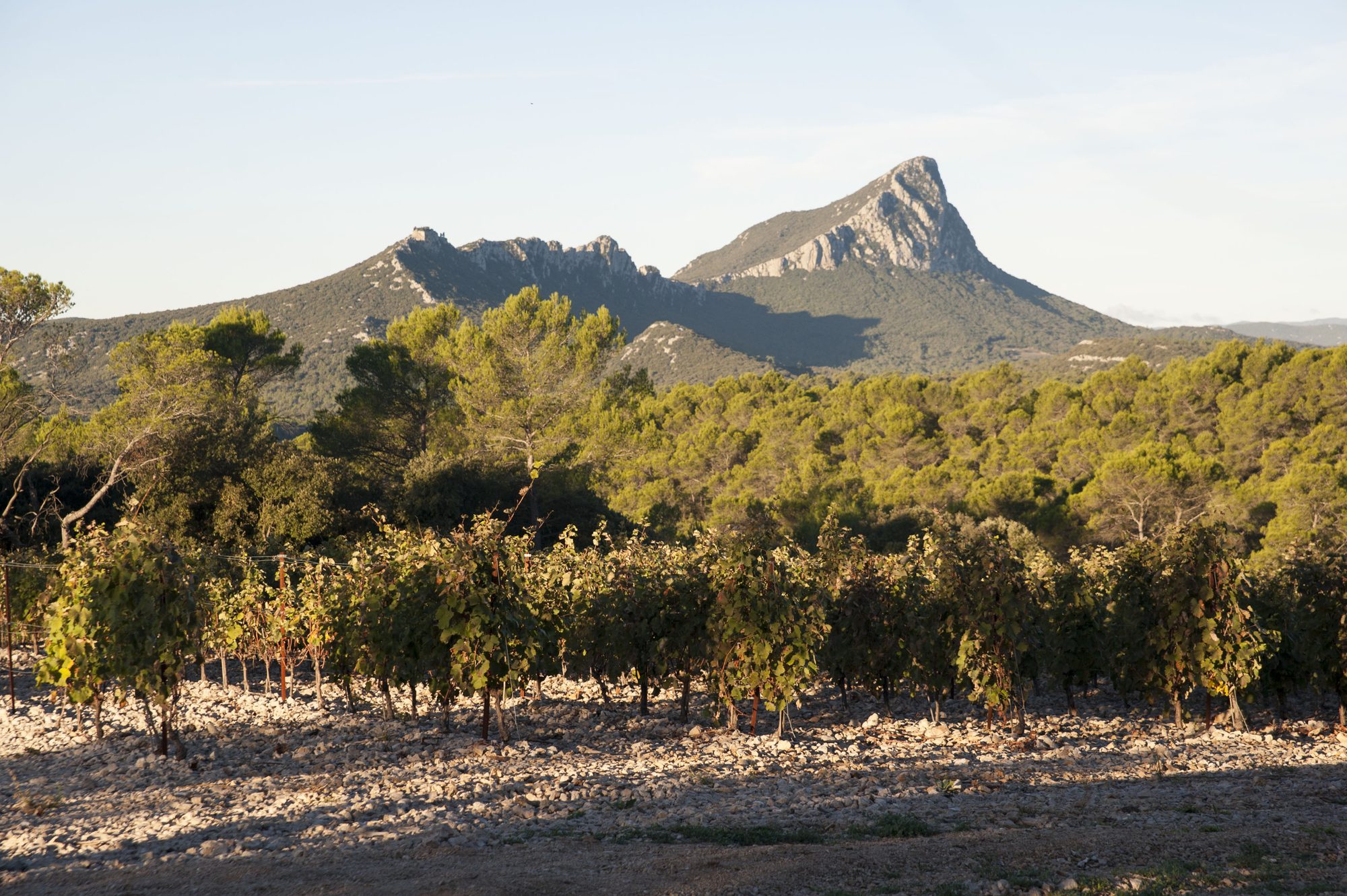
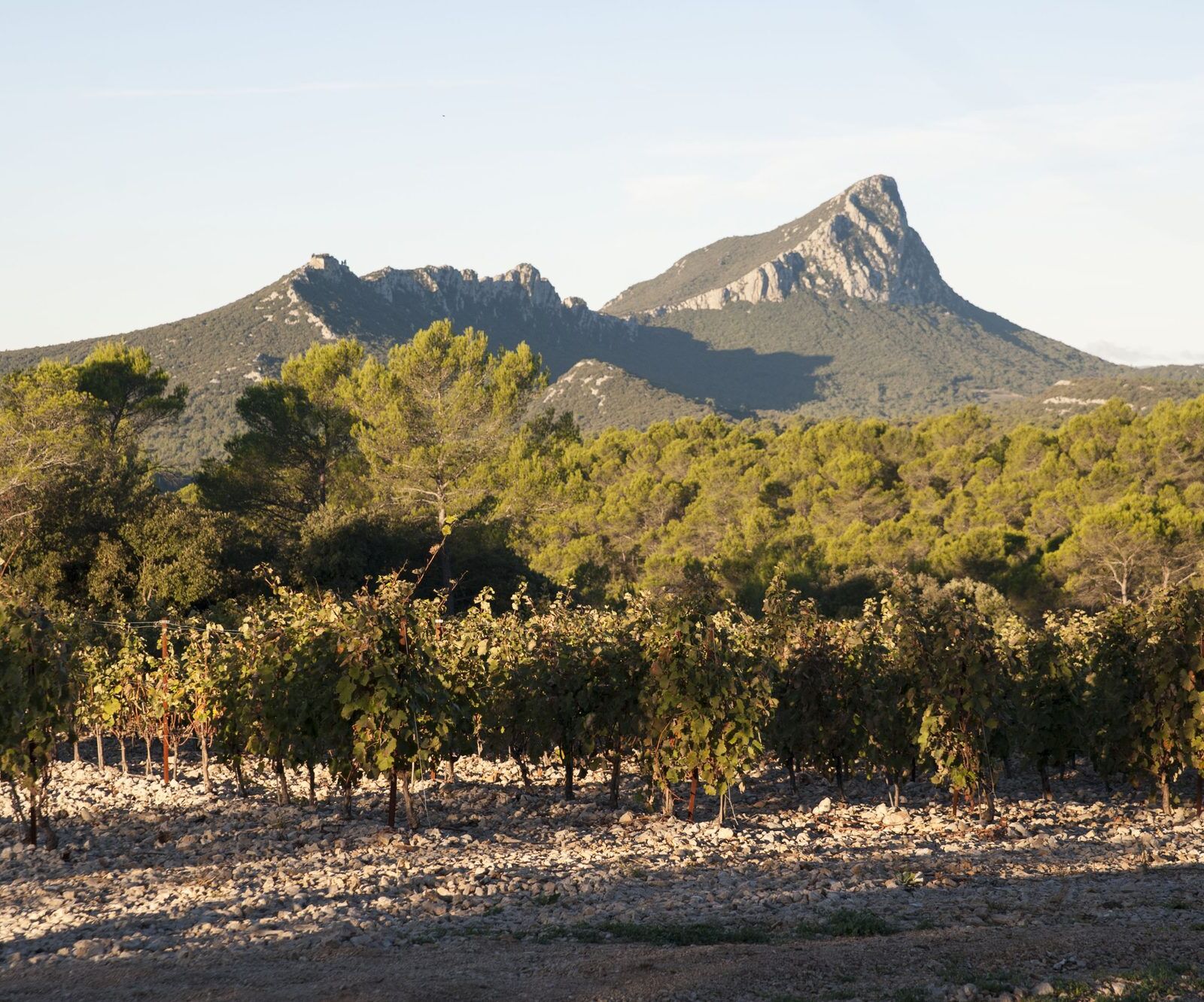
At 658 metres, the limestone summit of Pic Saint-Loup can be seen from far away, north of Montpellier. Legend has it that it owes its name to Loup, one of three hermit brothers who shared the neighbouring peaks and who chose the highest.
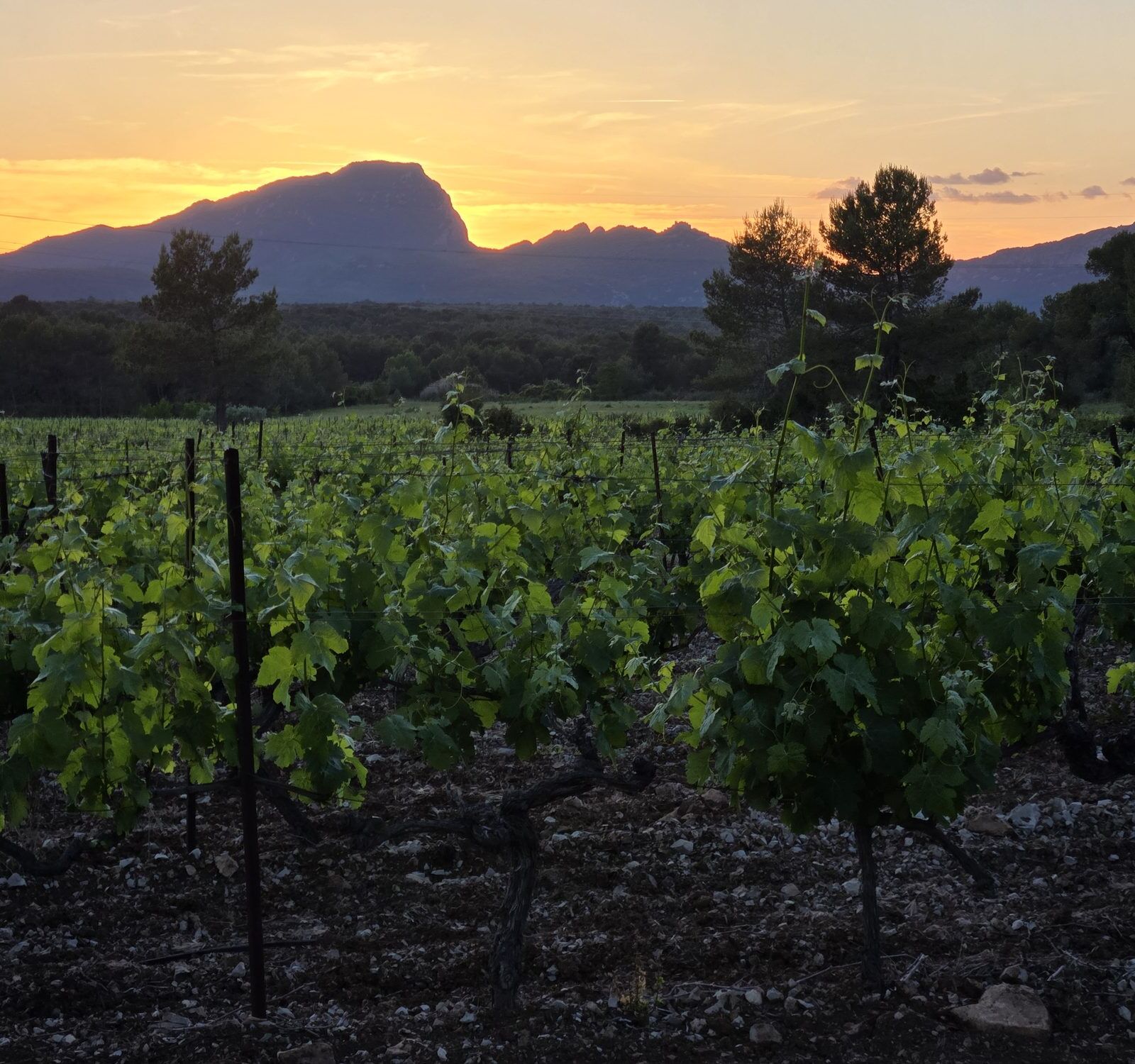
THE PIC
A 658-metre summit
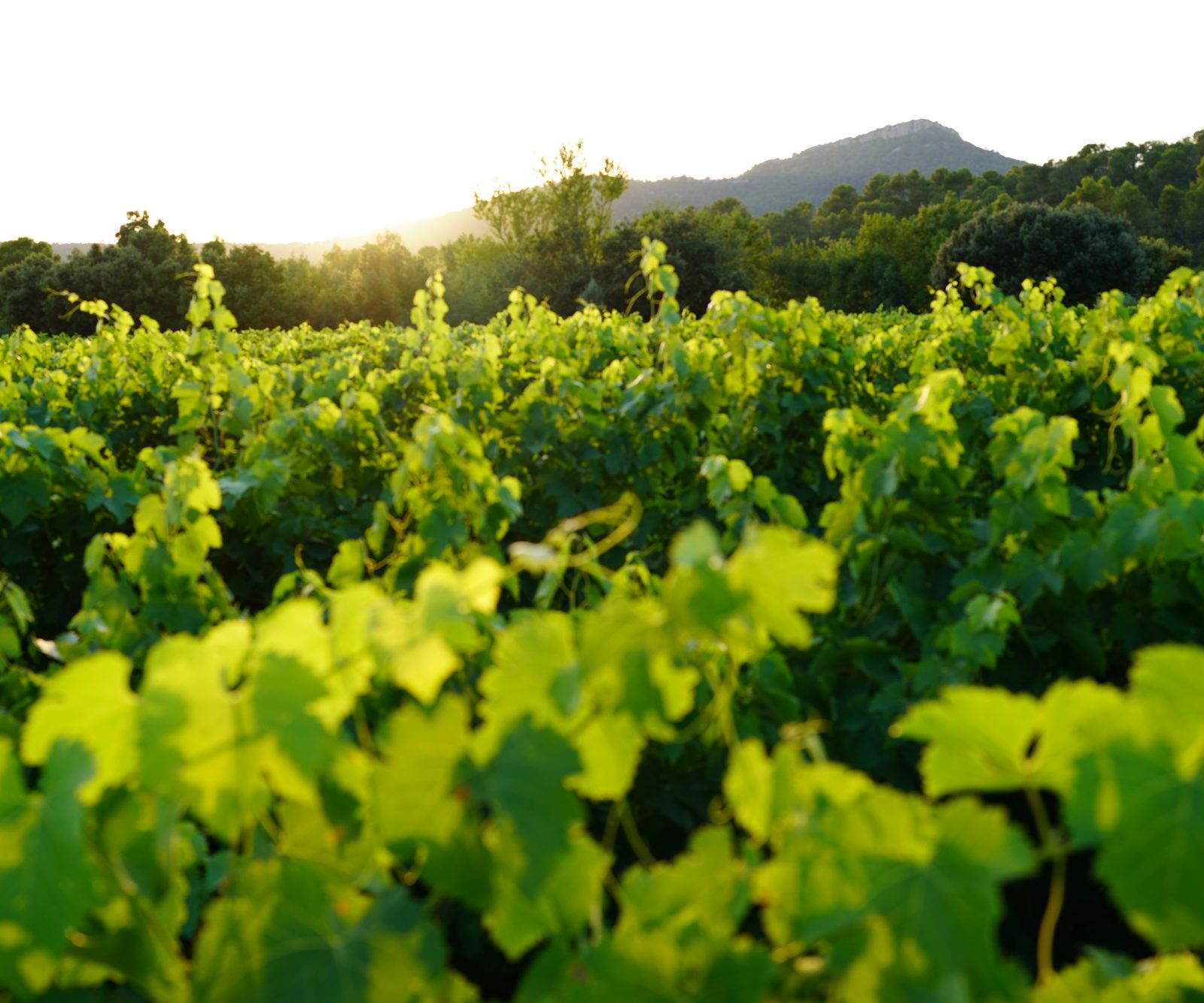
THE CLIMATE
Higher, cooler
Pic Saint-Loup is further north and higher than the rest of the Languedoc. It rains more, the nights are cooler and the difference between day and night is sharper. Sea breezes bring freshness, and the grapes ripen slowly.
- the Pic
- 658m
- AOP
- 2017
- at the estate
- 70ha
- Syrah min.
- 50%
- to the north
- 10km
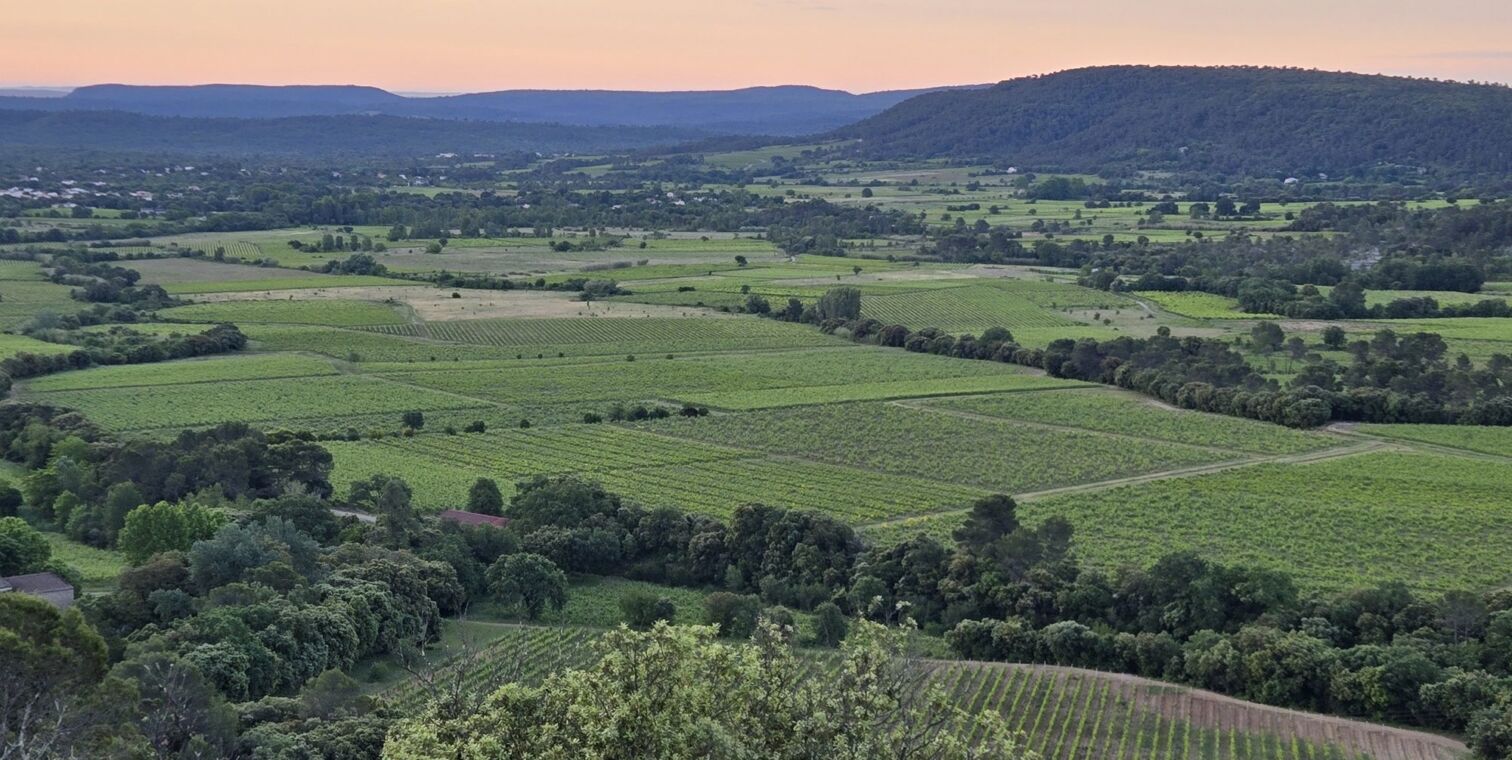
Pic Saint-Loup wines are deep, dense and very complex, but always fresh.Arnaud Demongeot
IN THE CELLAR
Lavabre, from vine to barrel
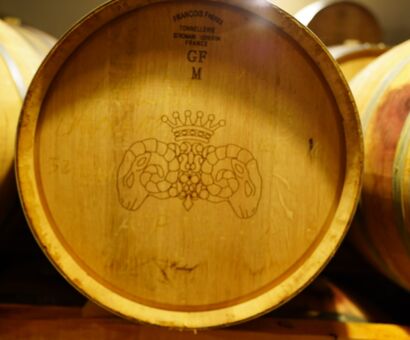
Lavabre red is the estate's benchmark cuvée in Pic Saint-Loup. It goes from a hand harvest, on the shattered limestone and marl of Claret, to long ageing in new French barrels.
-
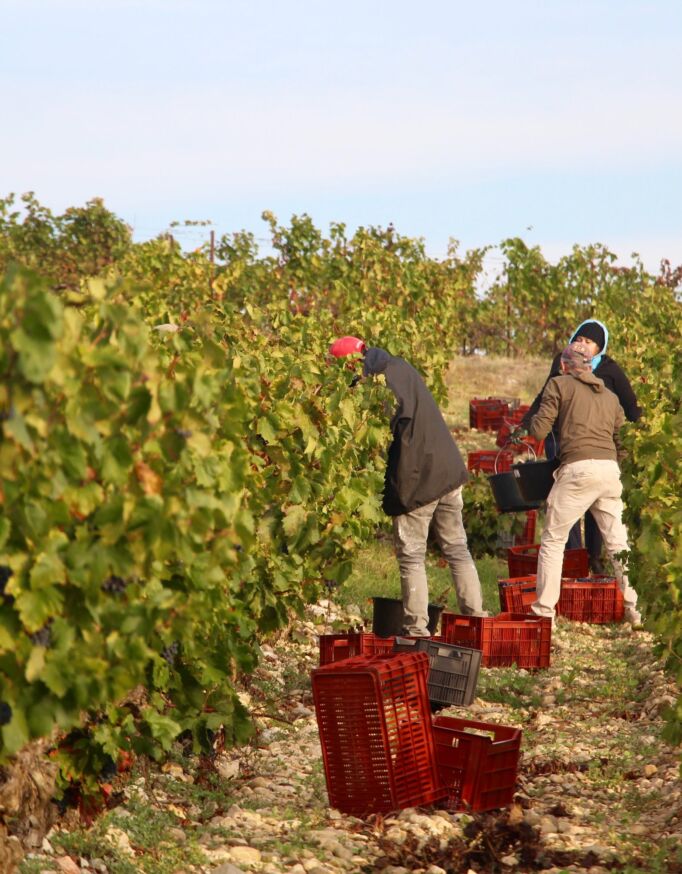
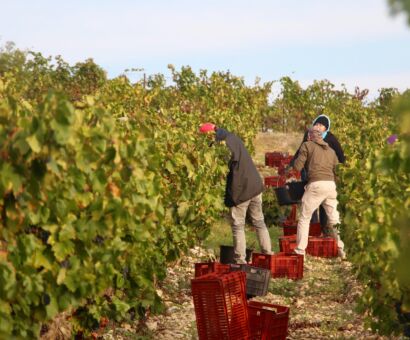
The harvest
By hand and in the morning, in small crates, with the grapes sorted as soon as they arrive in the cellar. -
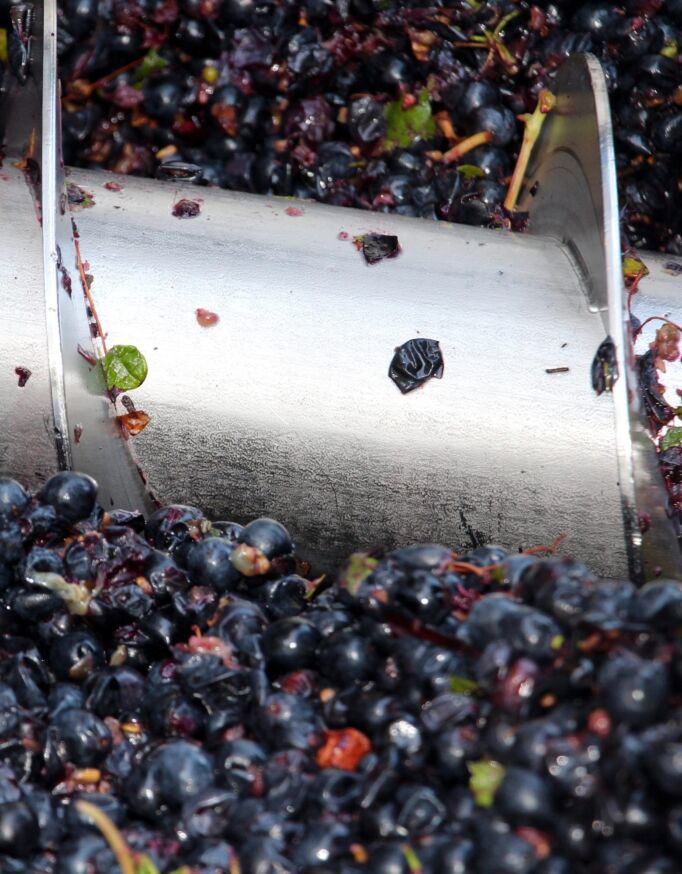
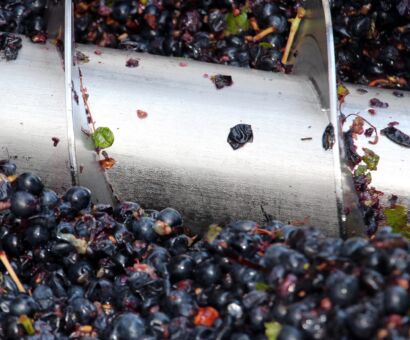
Destemming
The harvest is destemmed before going into vat, keeping only the berries. -
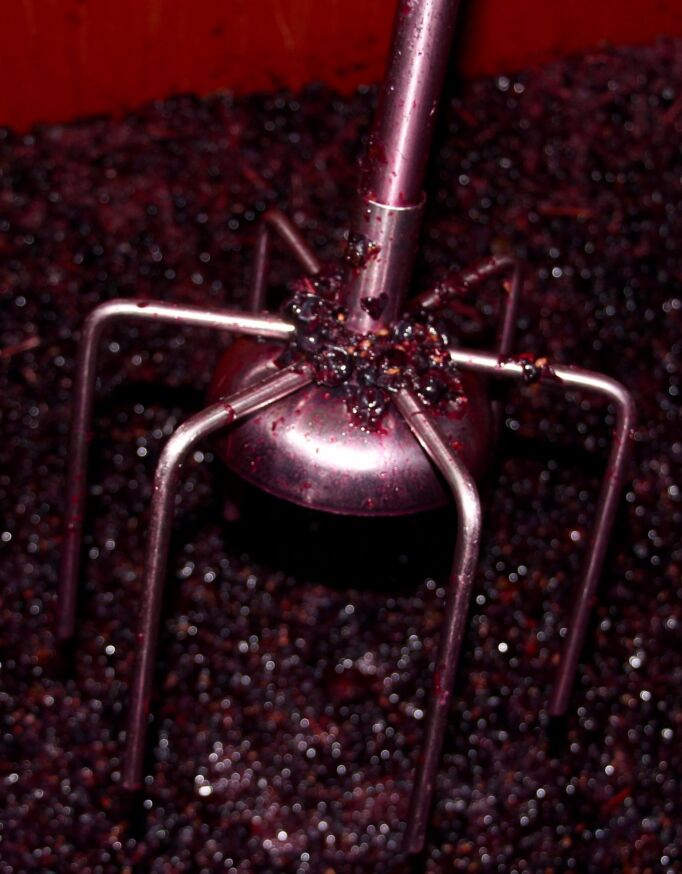
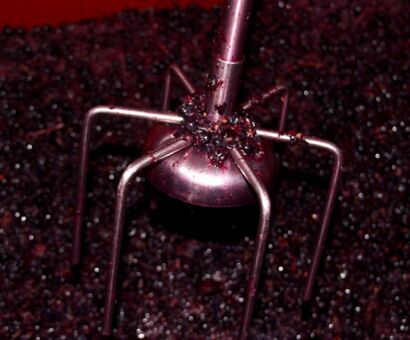
Maceration
A traditional vinification lasting several weeks, to extract colour and structure. -
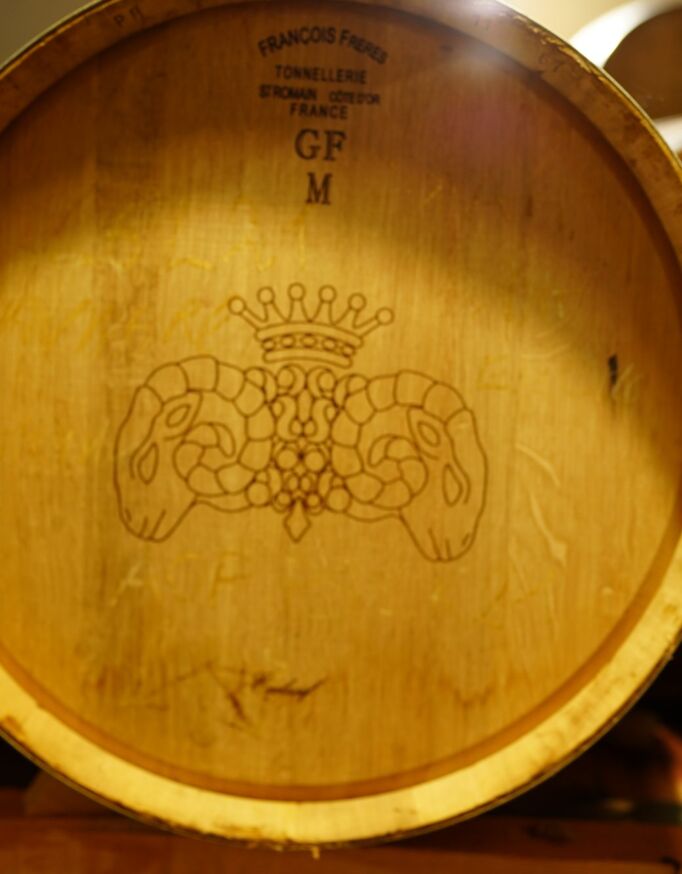
Ageing
As soon as they are run off, the wines go into new French barrels; the Syrahs stay there for more than 12 months.
THE APPELLATION
Pic Saint-Loup in detail
Pic Saint-Loup is one of the northernmost appellations of the Languedoc. Recognised as early as 1955, it obtained its own AOP in 2017, for red and rosé wines.
The legend. Three hermit brothers, Guiral, Clair and Loup, are said to have each withdrawn to a summit. Loup chose the highest, and the mountain has borne his name ever since. The limestone massif peaks at 658 metres, about twenty kilometres north of Montpellier, between the Hérault and the Gard, and can be seen from far away.
A long road to recognition. Pic Saint-Loup was recognised as a superior-quality wine as early as 1955. In 1985, it became one of the designations of the Coteaux du Languedoc. In 2017 it obtained its own AOP, reserved for red and rosé wines. The specifications require at least two of the three main grape varieties, Syrah, Grenache and Mourvèdre, with at least 50% Syrah in the vineyard.
Climate and soils. Further north and higher than the rest of the Languedoc, Pic Saint-Loup gets more rain, and its nights are cooler. The vines climb sometimes steep slopes. The free-draining soils are very varied: limestone, marl, schist, white and red clays. Sea breezes bring freshness, and the grapes ripen slowly.
The Puech-Haut estates. About ten kilometres north of Saint-Drézéry, the estate farms just over 70 hectares here, all with sustainable farming. Château Lavabre is in Claret. Added to this are vines in Fontanès and Clos du Pic, designed by the architect Rudy Ricciotti, who designed the MuCEM in Marseille.
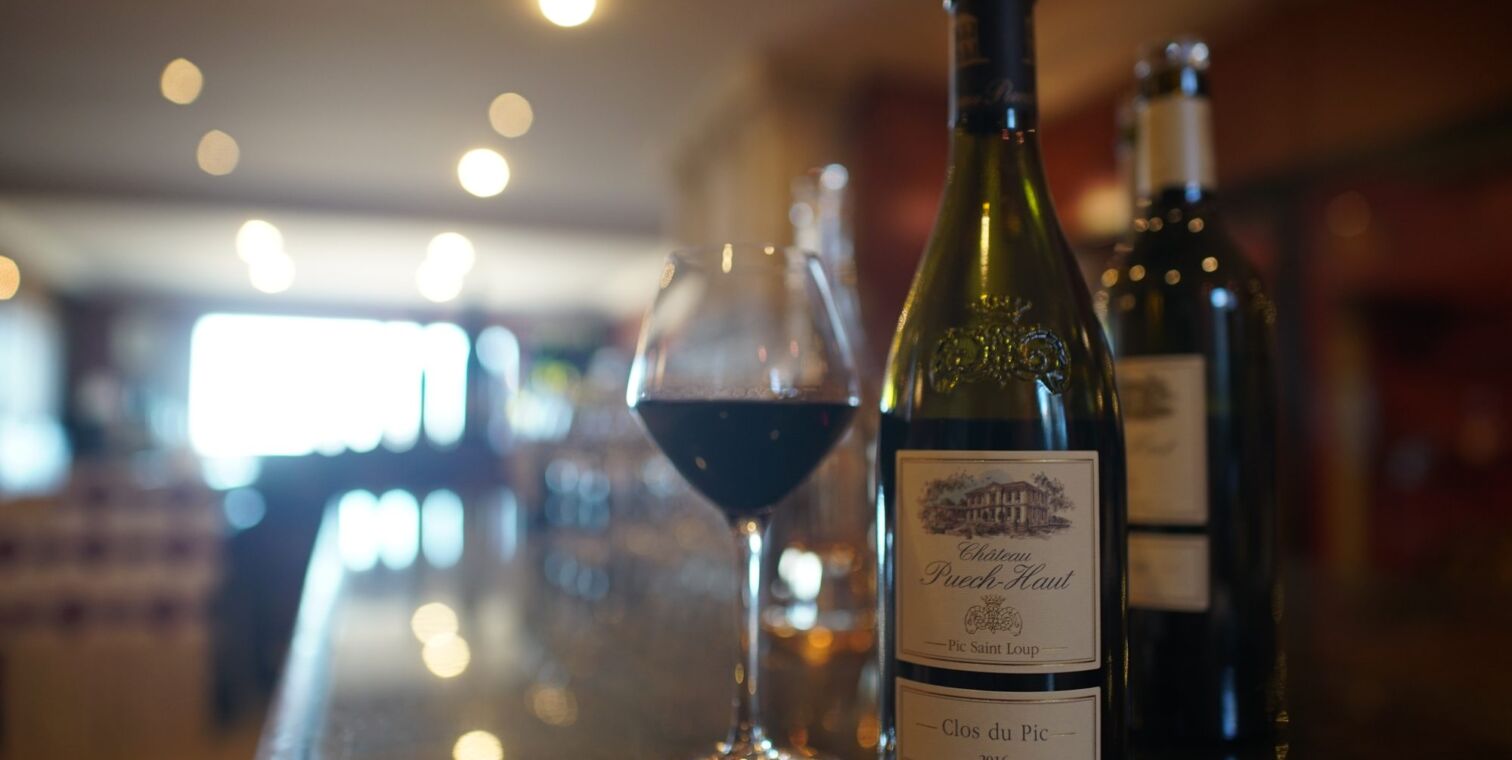
The wines. Lavabre red, the estate's benchmark cuvée, is harvested by hand, in the morning, in small crates. It blends 80% Syrah, 15% Grenache Noir and 5% Mourvèdre, grown on shattered limestone and marl. On the nose, blackberry, blackcurrant, undergrowth and tobacco. Clos du Pic, at 25 hl/ha, is vinified for four weeks in concrete vats and then aged for 18 months in barrels; it keeps for about ten years and benefits from decanting. Loup du Pic comes in red, partly barrel-aged, and in rosé, pressed directly.
QUESTIONS
Questions about Pic Saint-Loup
Pic Saint-Loup is a mountain before it is an appellation. The answers that follow cover both, then the wines Puech-Haut produces there, from Lavabre to Loup du Pic.
Where is Pic Saint-Loup?
About twenty kilometres north of Montpellier, between the Hérault and the Gard. Its 658-metre limestone summit can be seen from far away, and the appellation that bears its name covers the surrounding communes.
Is Puech-Haut in Pic Saint-Loup?
Partly. Château Puech-Haut, in Saint-Drézéry, is in the AOP Languedoc, but the estate also farms more than 70 hectares in Pic Saint-Loup, with Château Lavabre, vines in Fontanès and Clos du Pic.
Which grape varieties are grown in Pic Saint-Loup?
Syrah, Grenache and Mourvèdre. The appellation requires at least two of these three varieties, and at least 50% Syrah in the vineyard for the reds; at Château Lavabre, it accounts for 80%.
Why are the wines fresher?
Because Pic Saint-Loup is further north, higher and wetter than the rest of the Languedoc. Its vines grow on slopes, on free-draining soils of limestone, marl, schist and clay, and sea breezes cool the grapes.
Which of the estate's wines come from Pic Saint-Loup?
Lavabre red, the estate's benchmark cuvée, Clos du Pic, aged for 18 months in barrels, and Loup du Pic, in both red and rosé. All are AOP Pic Saint-Loup, from vines managed with sustainable farming.
Since when has the AOP existed?
Since 2017, for reds and rosés. Pic Saint-Loup had been recognised as a superior-quality wine as early as 1955, then became a designation of the Coteaux du Languedoc in 1985.
TO DISCOVER
Around the vineyard
Back to Saint-Drézéry, where Château Puech-Haut grows its vines in the AOP Languedoc. The estate's grape varieties and wines are featured on the following pages.