

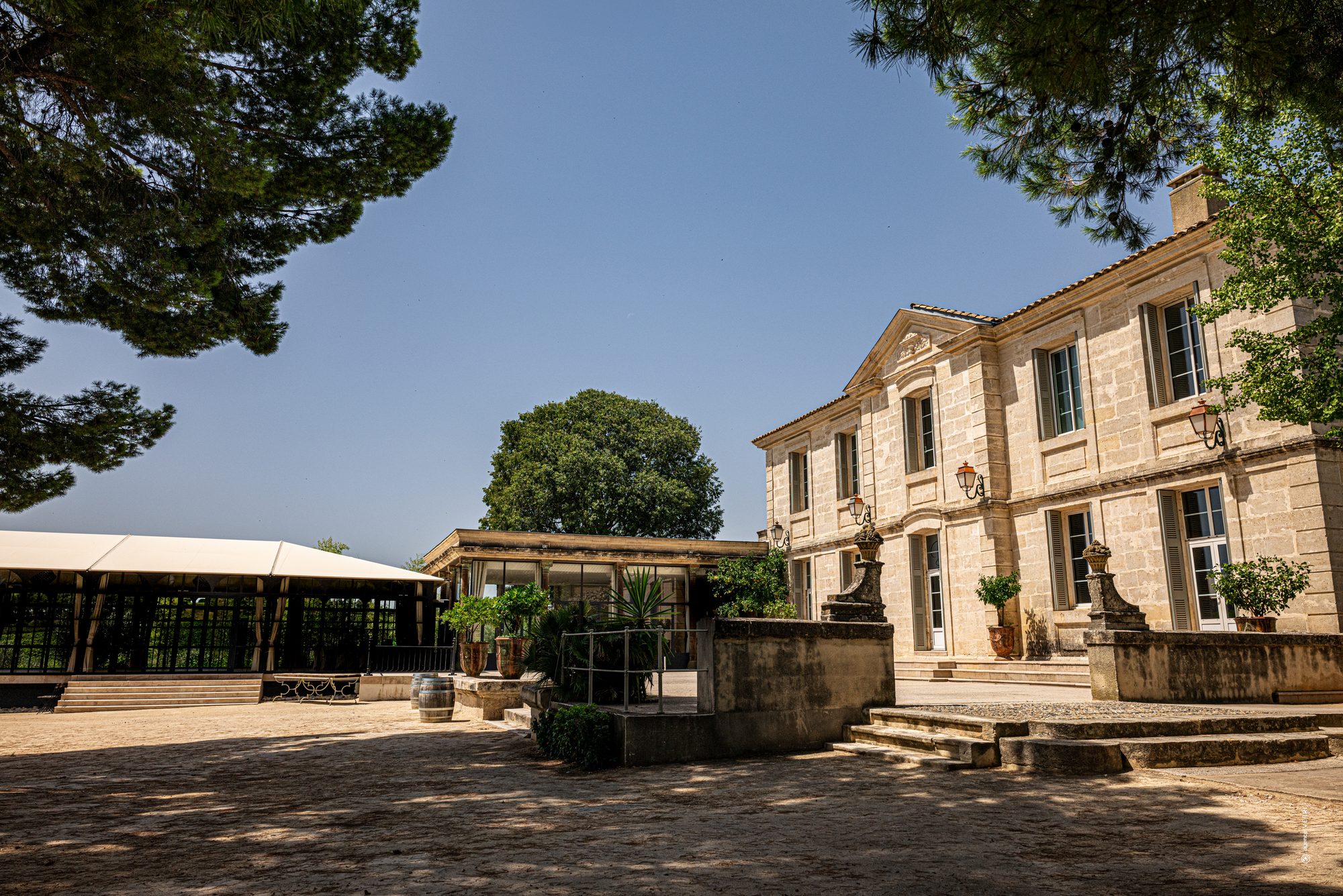
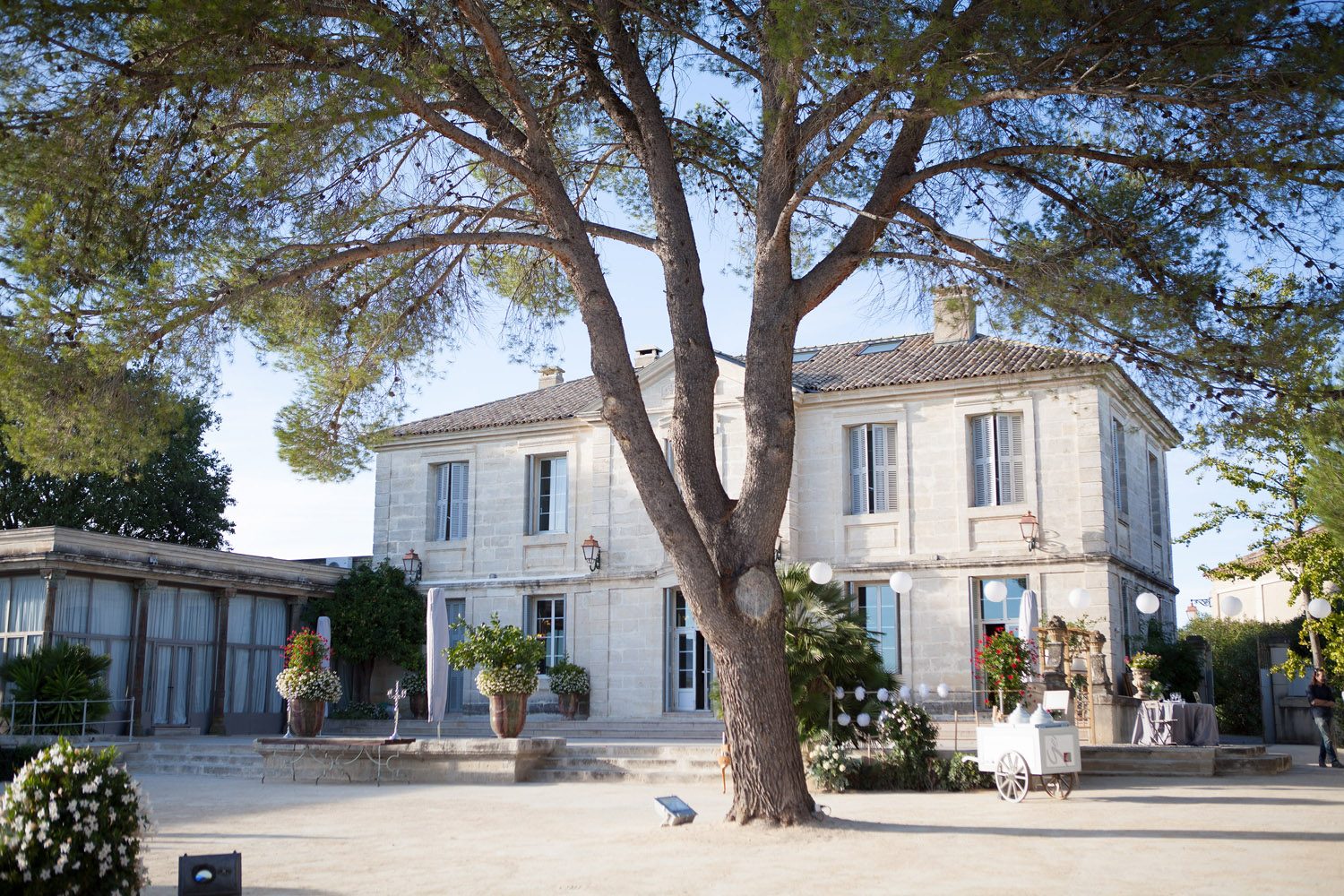
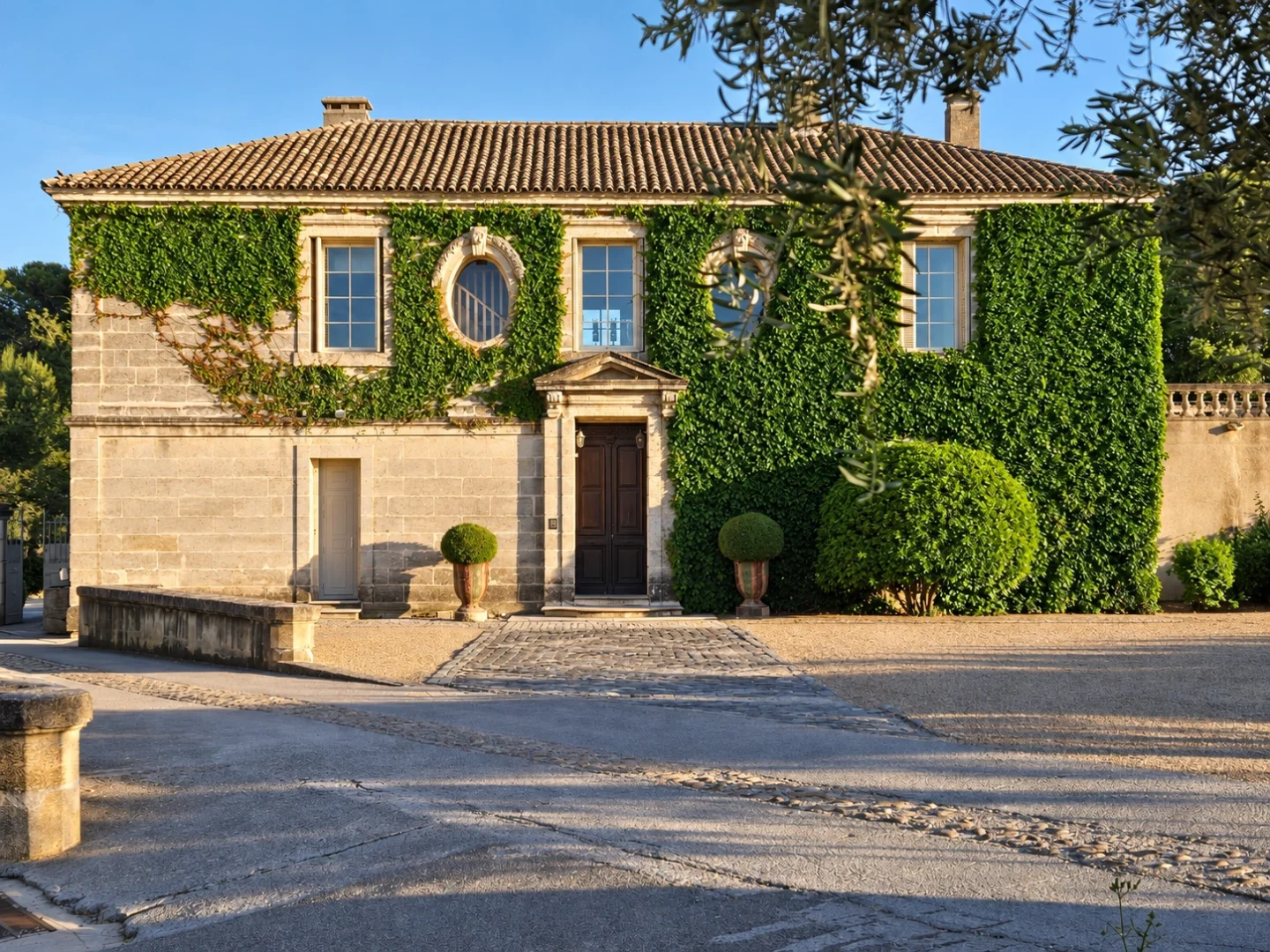
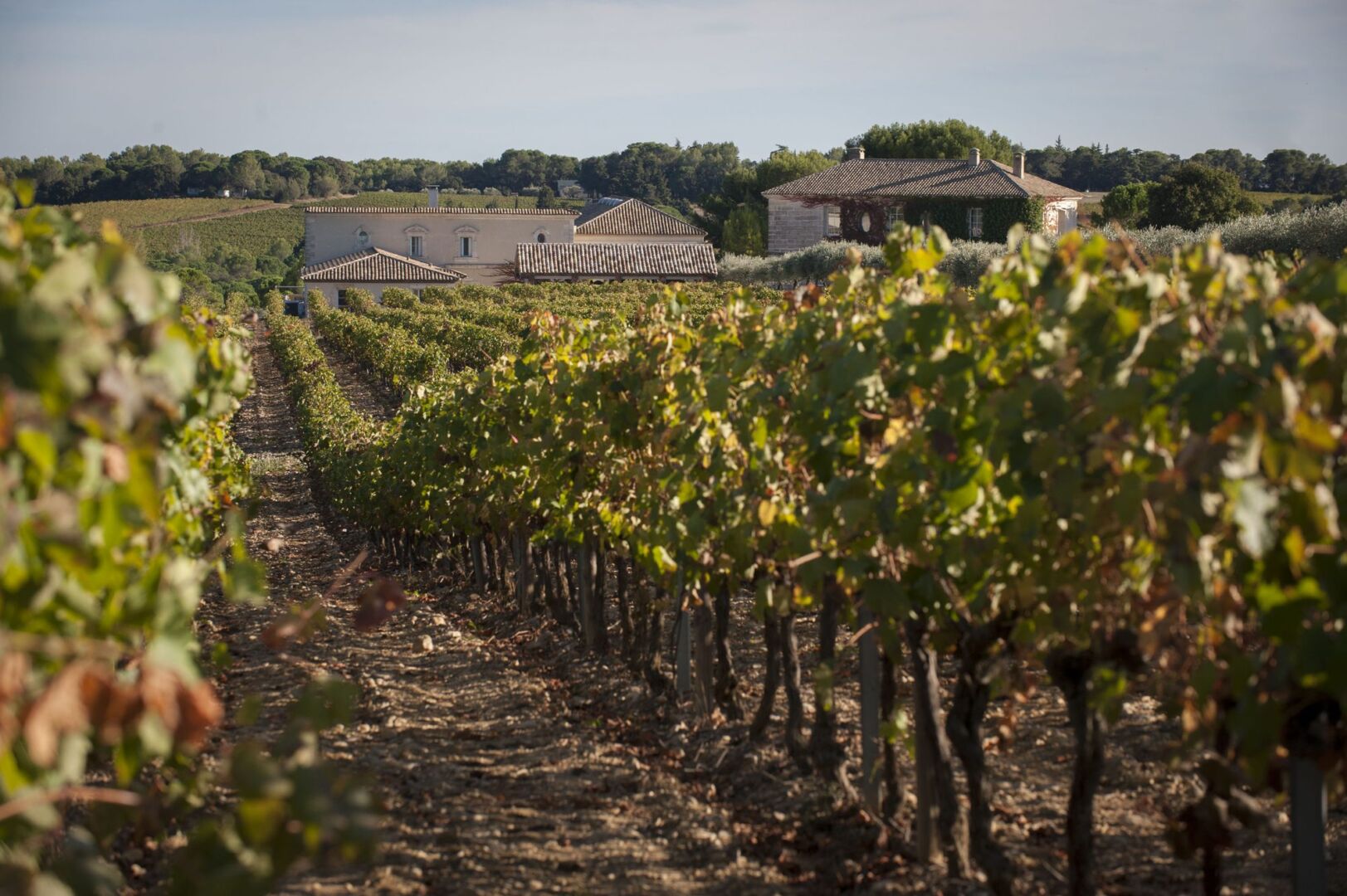
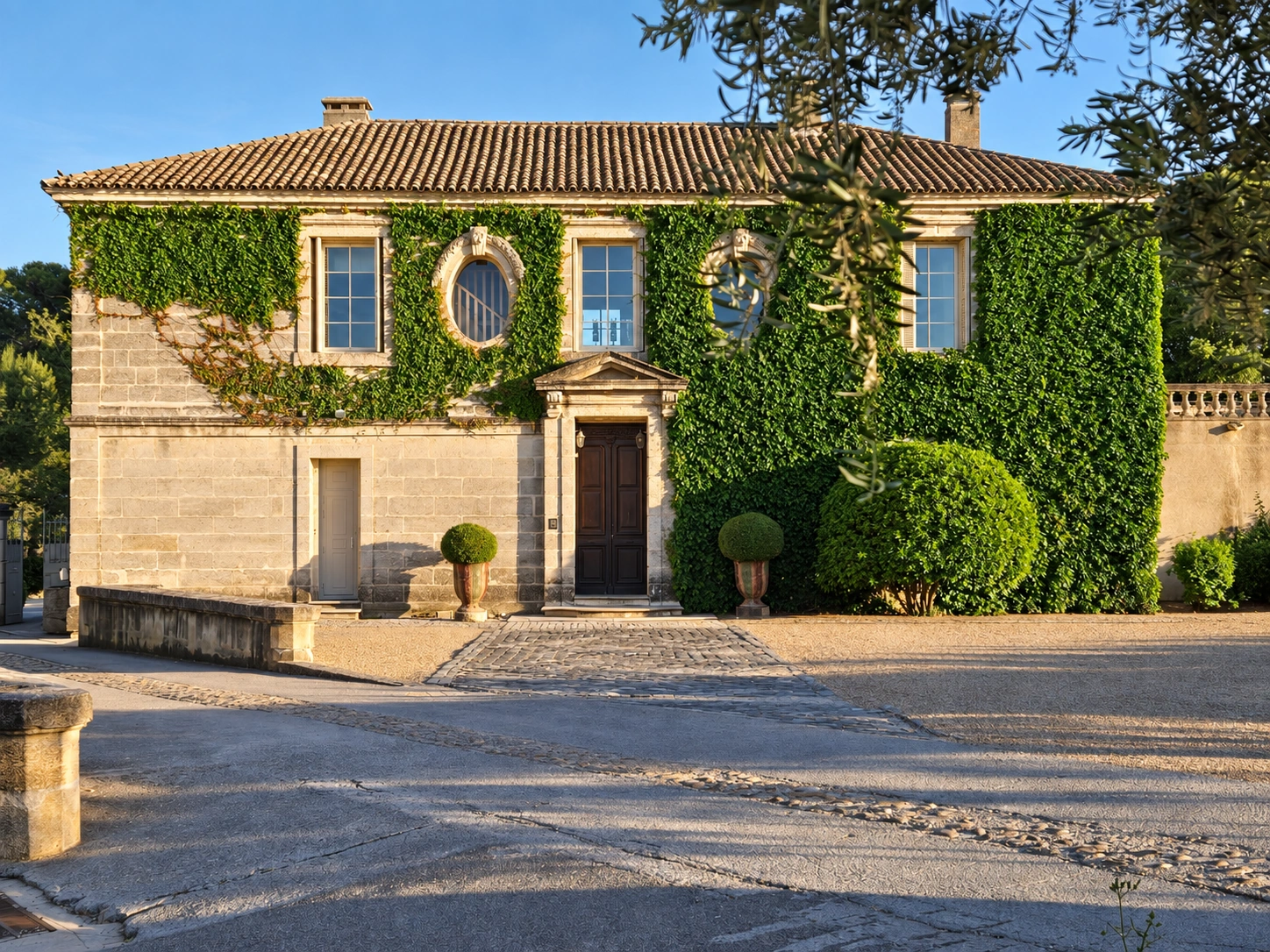
The château is the former prefecture of Montpellier. Taken down stone by stone and carried to Saint-Drézéry, it was rebuilt in the middle of the vines. Around it, Gérard Bru had the tasting cellar and the winery built.
- of vines
- 80ha
- 1st harvest
- 1994
- guests
- 300
- from Montpellier
- 16km
THE CHÂTEAU
A prefecture rebuilt
THE MILESTONES
A château in four stages
01The 1970s
Gérard Bru brings together plots around his grandmother's vineyard, between garrigue and wild olive trees.
02The 1980s
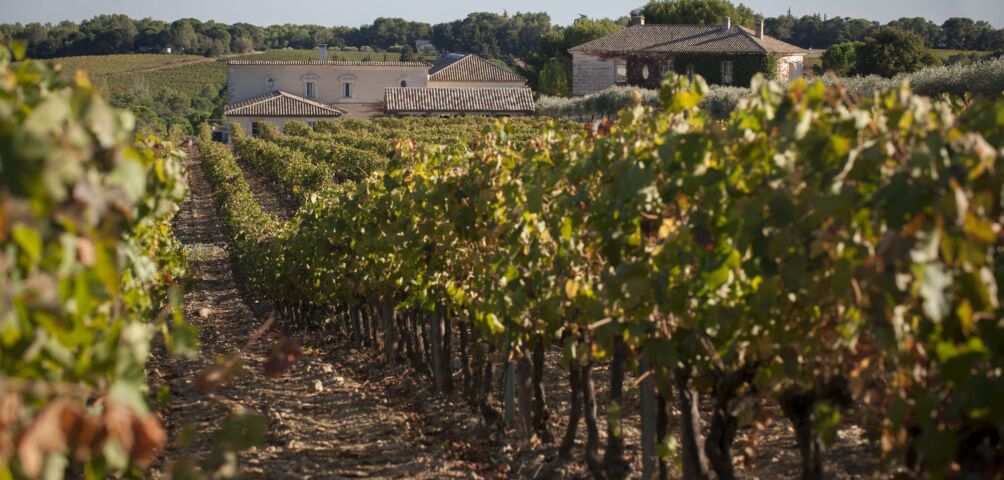
Around a hundred hectares in a single block are brought together, then planted with vines.
031994
First harvest under the Puech-Haut label; until then, the grapes went to the cooperative winery.
04Today
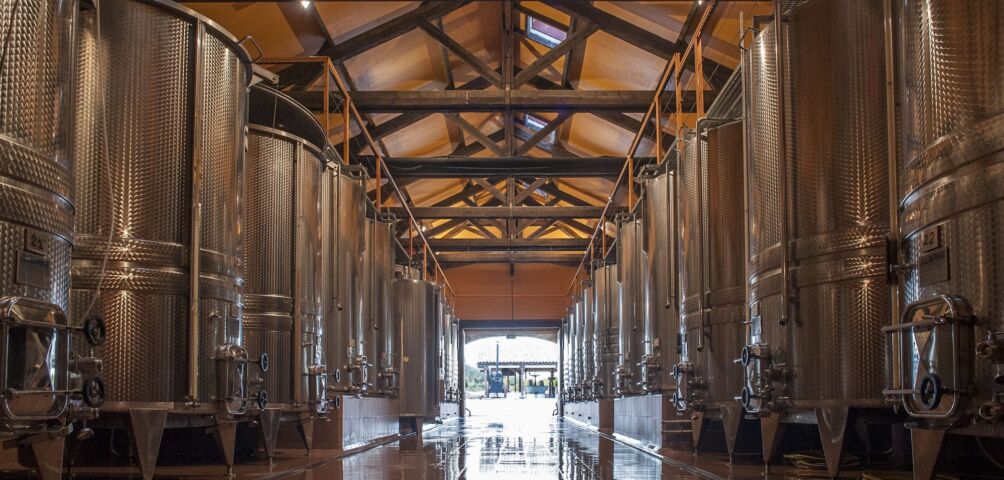
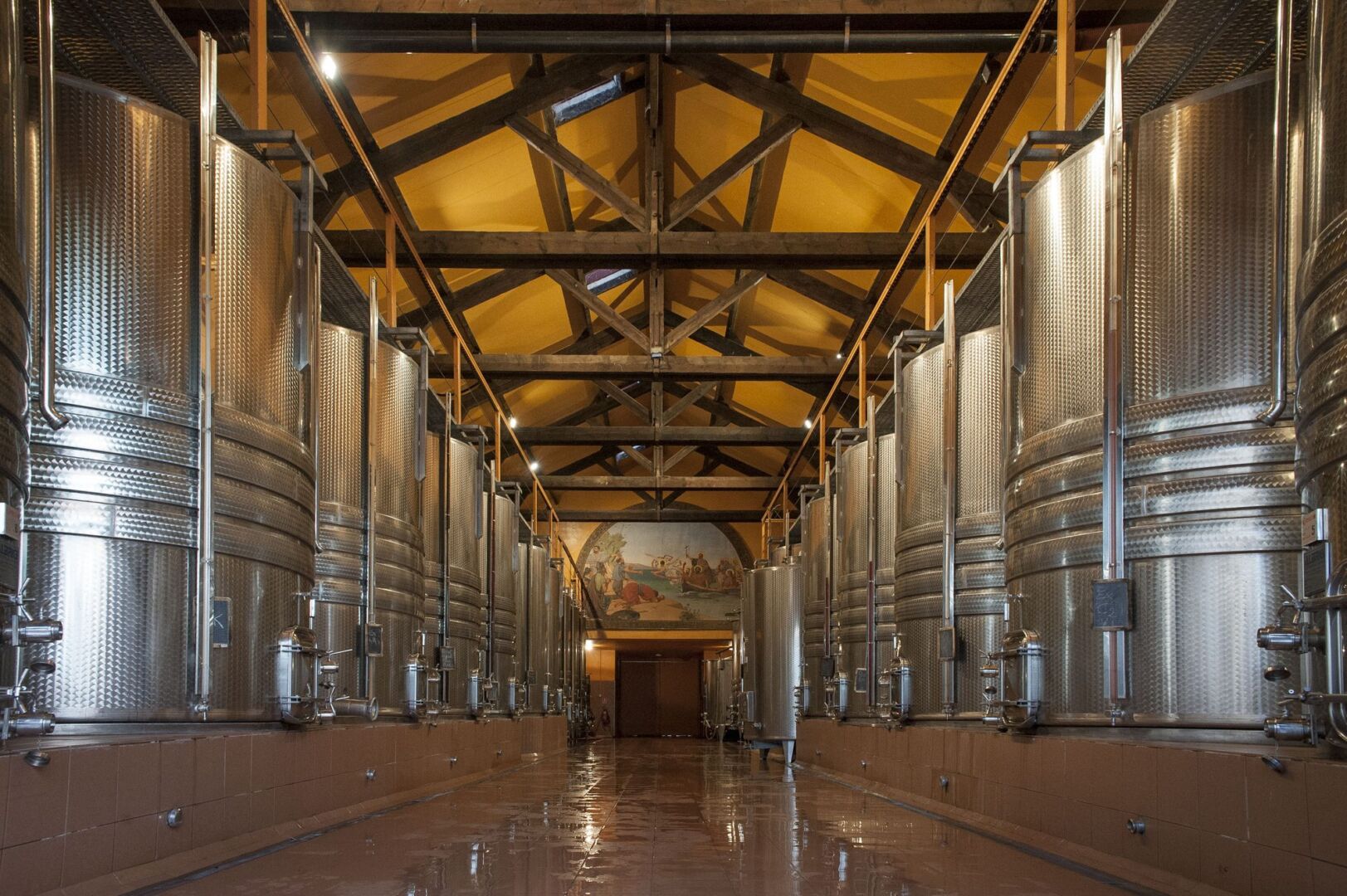
The château houses the Cave du Château and cellars in stainless steel, wood and concrete, and hosts visits and events.
IN PICTURES
The château and its spaces
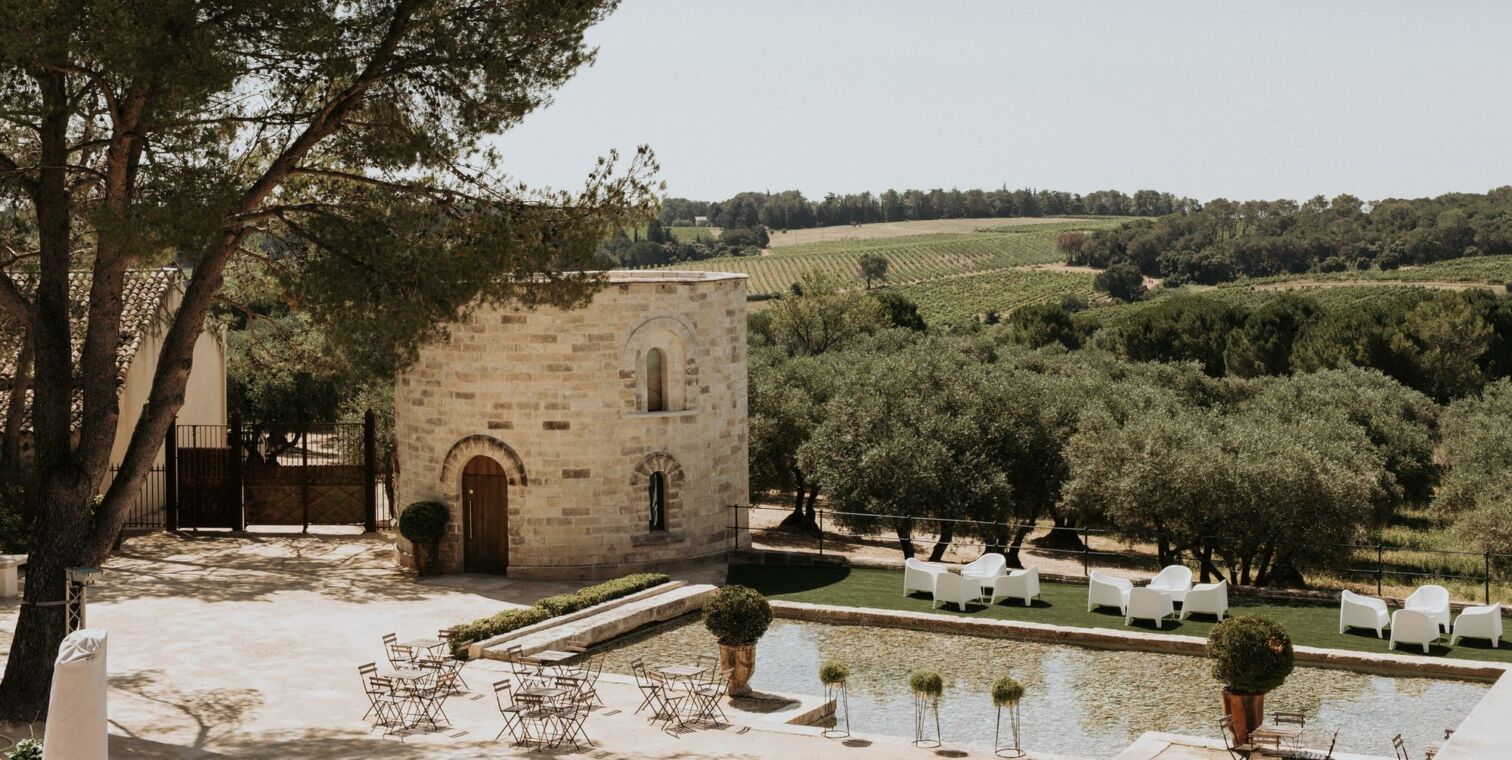
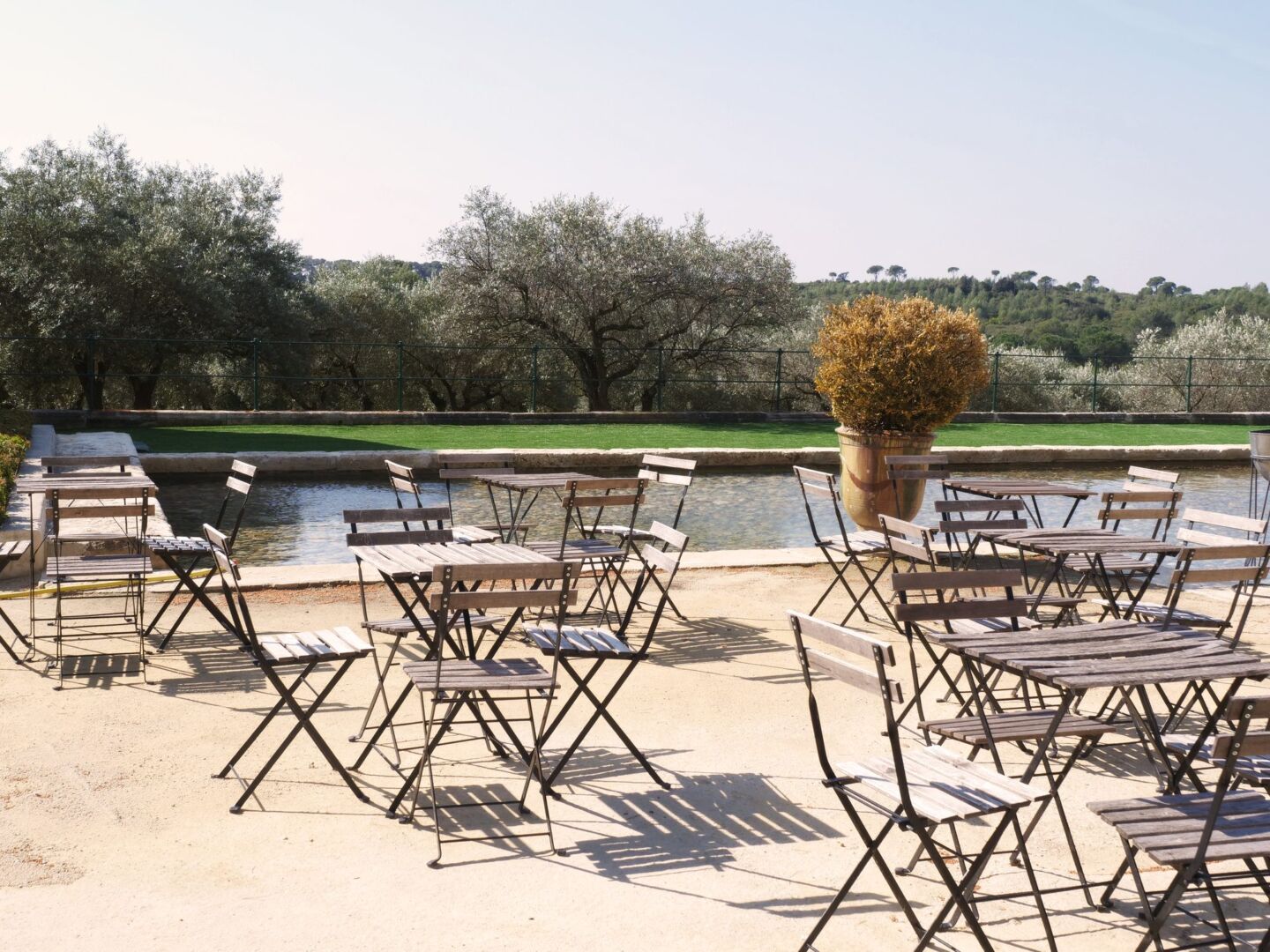
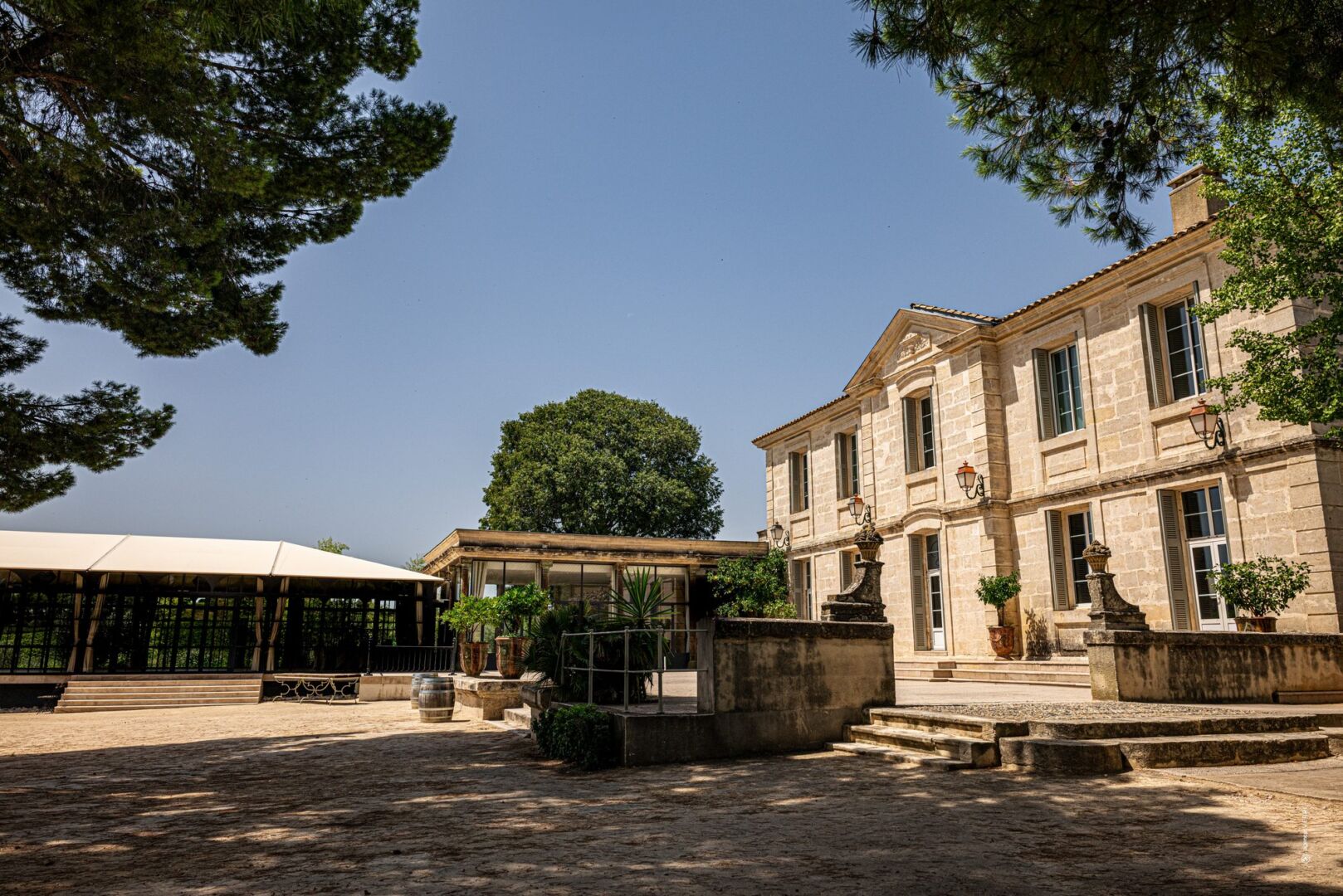
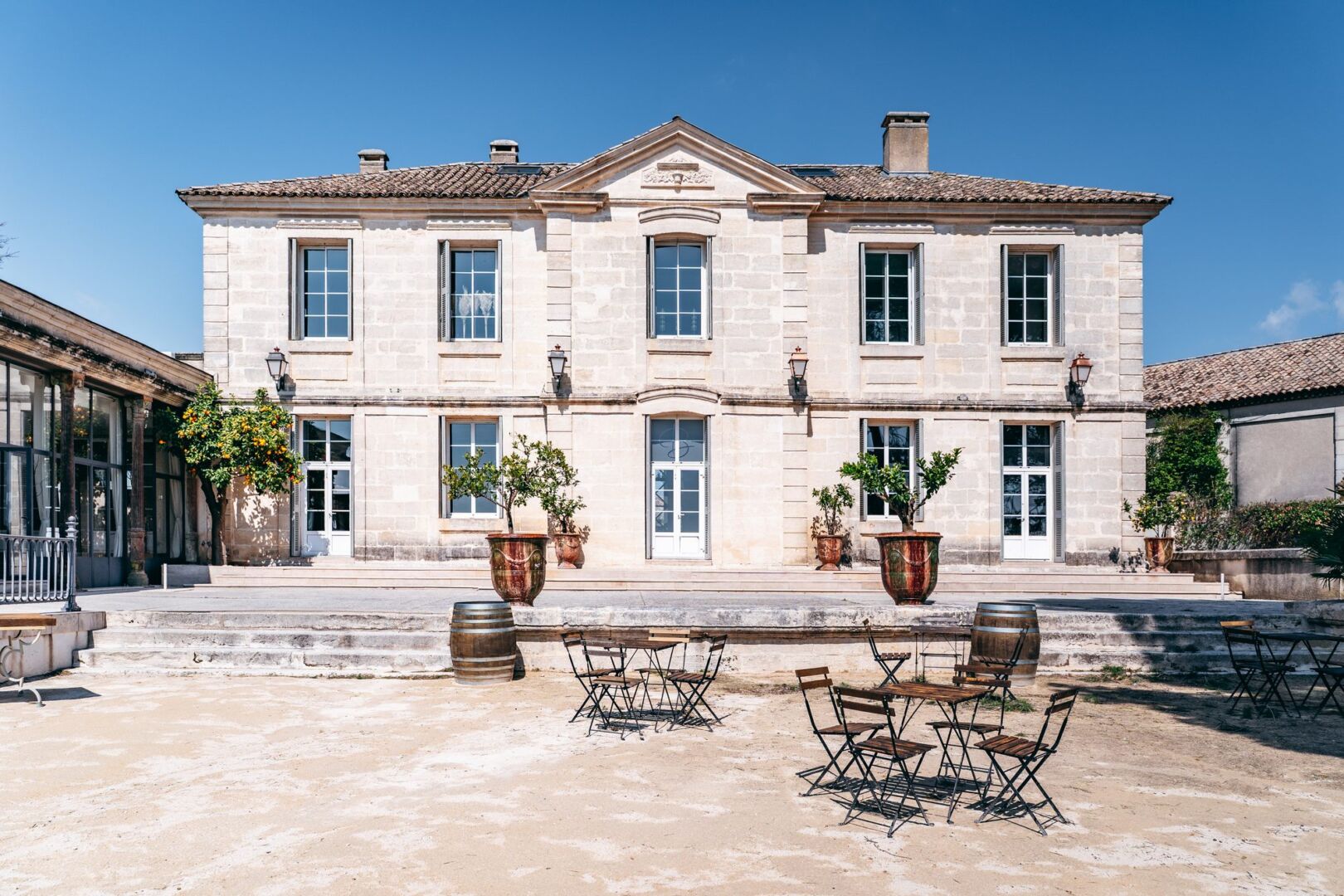
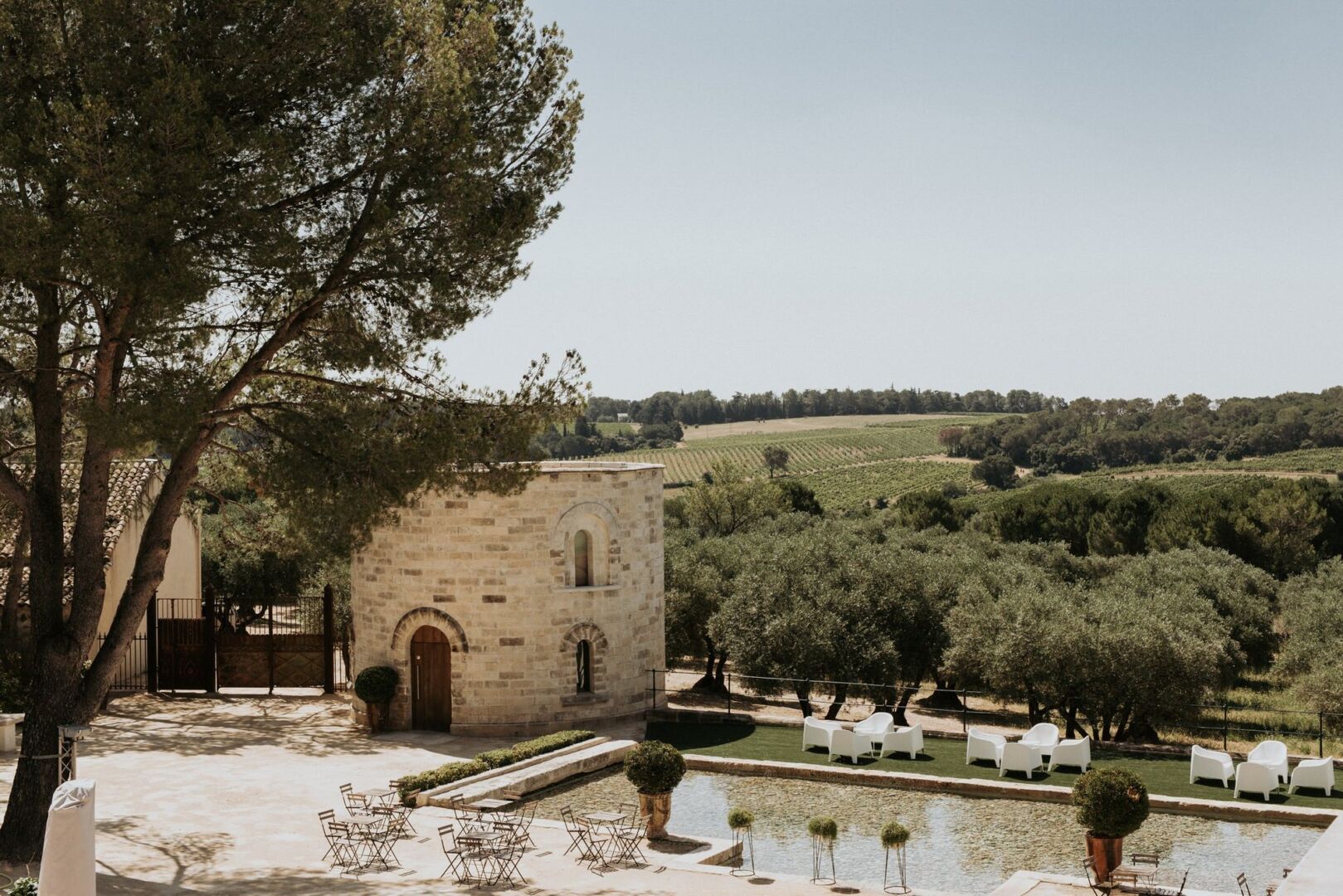
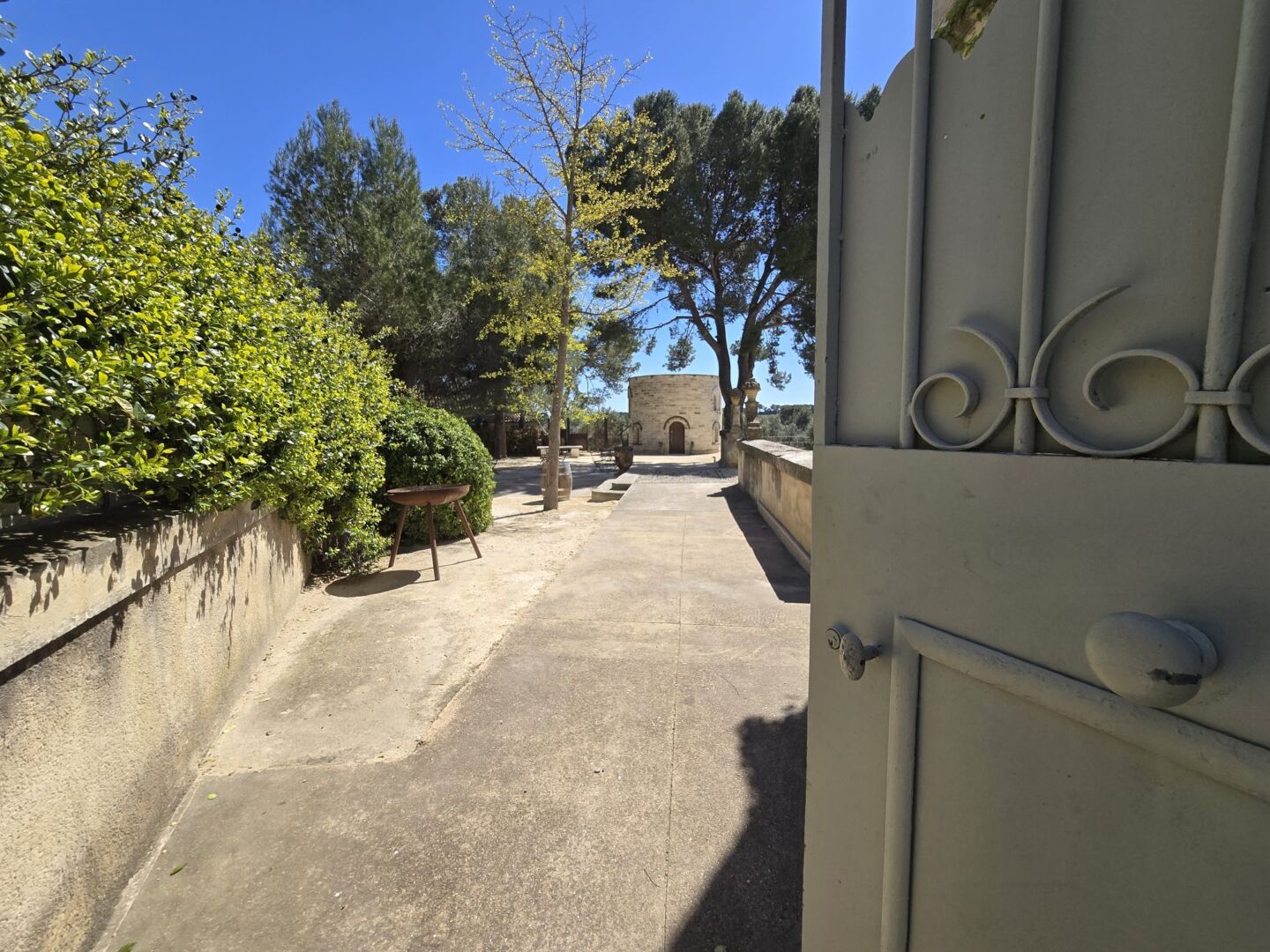
The château's façade, the Orangery and its large bay windows, the formal French garden with its fountains, and the terrace overlooking the vineyard.
QUESTIONS
Questions about the château
The questions we are asked most often about the château, from its address to its history.
Where is Château Puech-Haut?
At 2250 route de Teyran, in Saint-Drézéry, in the Hérault, 16 km north-east of Montpellier and close to the A9 motorway. A private car park with 150 spaces welcomes visitors.
Where does the château come from?
It is the former prefecture of Montpellier, taken down stone by stone and then rebuilt on the estate. Before it, there was only garrigue here: Gérard Bru created everything, from the cellars to the cuvées.
Does the château host events?
Yes, it is the estate's only event venue today. Weddings, private parties and seminars take place in four spaces, for up to 300 seated guests.
Which wines are produced here?
The estate's AOP Languedoc wines, including Tête de Bélier, Prestige and Le 40ème, born on the rolled pebbles of Saint-Drézéry, and Argali rosé, an IGP Pays d'Oc.
Can the château be visited?
The Cave du Château is open from Tuesday to Saturday, 10am to 12pm and 2pm to 6.30pm. Visits to the estate, the cellar and its collection of painted barrels are by appointment.
What can you see during the visit?
The cellar and its barrels painted by more than 160 artists, the Roman ram's head on display in the tasting cellar and, near the château, the Barrik'Art, a giant barrel 12 metres long and 6 metres high.
THE PLACE
The château in detail
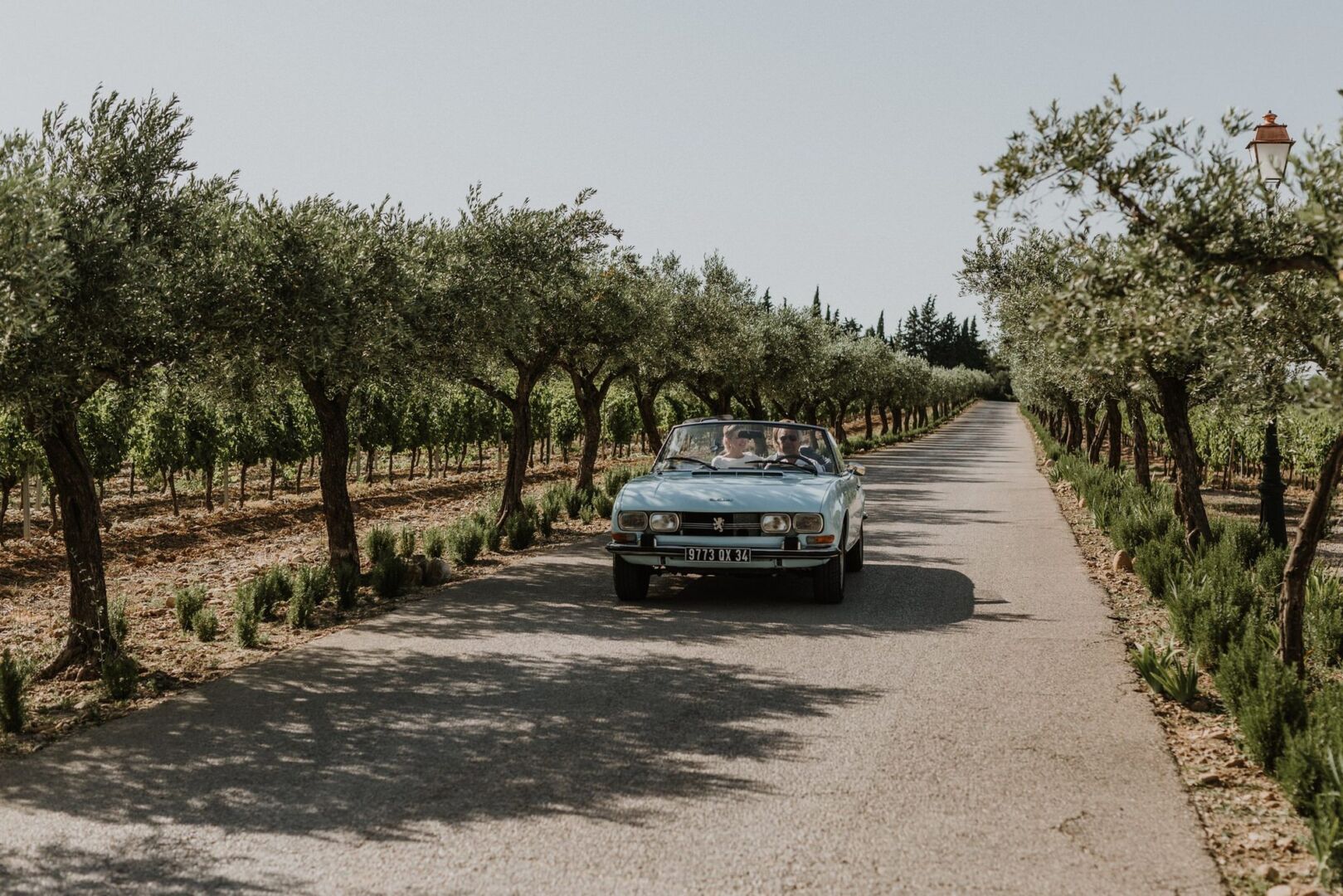
At the end of a road through the garrigue, the outline of the château always comes as a bit of a surprise. Behind the façade: a relocated prefecture, cellars, an art collection and a 12-metre barrel.
A prefecture among the vines. The building comes from Montpellier: it is the former prefecture, taken down stone by stone, carried to Saint-Drézéry and rebuilt on the estate. Gérard Bru set it on one of the highest points in the area, in the middle of the vines he had just planted. The name says as much: in Occitan, a puech is a hill.
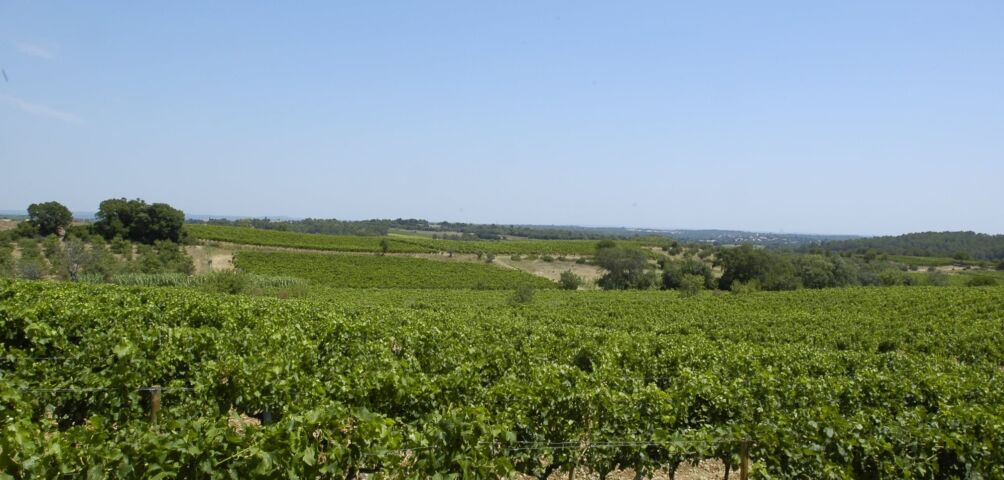
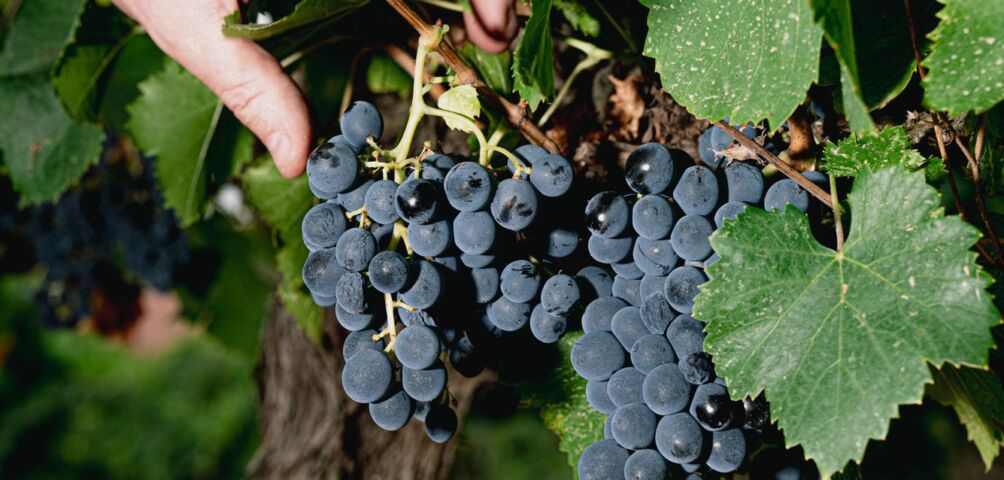
The surrounding vineyard. Around 80 hectares of vines surround the château, on clay-limestone soils covered with rolled pebbles. These pale stones store the heat of the day and release it to the vines at night. A quarter of the vineyard is planted with white grapes, Roussanne, Marsanne, Viognier and Muscat, alongside Syrah and Grenache.
The cellars and the shop. The cellars were added over the years: first the stainless-steel vat room, then the barrel cellar and the concrete cellar. In the cellar, more than 160 barrels painted by artists form a collection that can be visited by appointment. The Roman-era stone ram's head, found in the estate's soil during building work, is on display in the tasting cellar.
The Barrik'Art. Near the château stands the Barrik'Art, made by a craftsman from the Aveyron: 12 metres long and 6 metres high, 45 cubic metres of French oak and 5 tonnes of steel, for a theoretical capacity of 300,000 litres. The estate presents it as the largest barrel in the world.
The reception spaces. The château is now the only place on the estate that hosts events. The Orangery, with its large bay windows, welcomes dinners and receptions. The château's reception rooms suit more intimate meetings. The park, a formal French garden dotted with fountains and terraces, and the panoramic terrace, overlooking the vineyard, are used for outdoor moments. Up to 300 guests can be seated.
Getting to the château. The château is at 2250 route de Teyran, in Saint-Drézéry, 16 km north-east of Montpellier, near the A9 motorway. A private car park with 150 spaces welcomes visitors. The Cave du Château is open from Tuesday to Saturday, 10am to 12pm and 2pm to 6.30pm, and visits to the estate are by appointment.
TO DISCOVER
Around the château
The estate's other châteaux, the events held here, the terroir and the visits.