

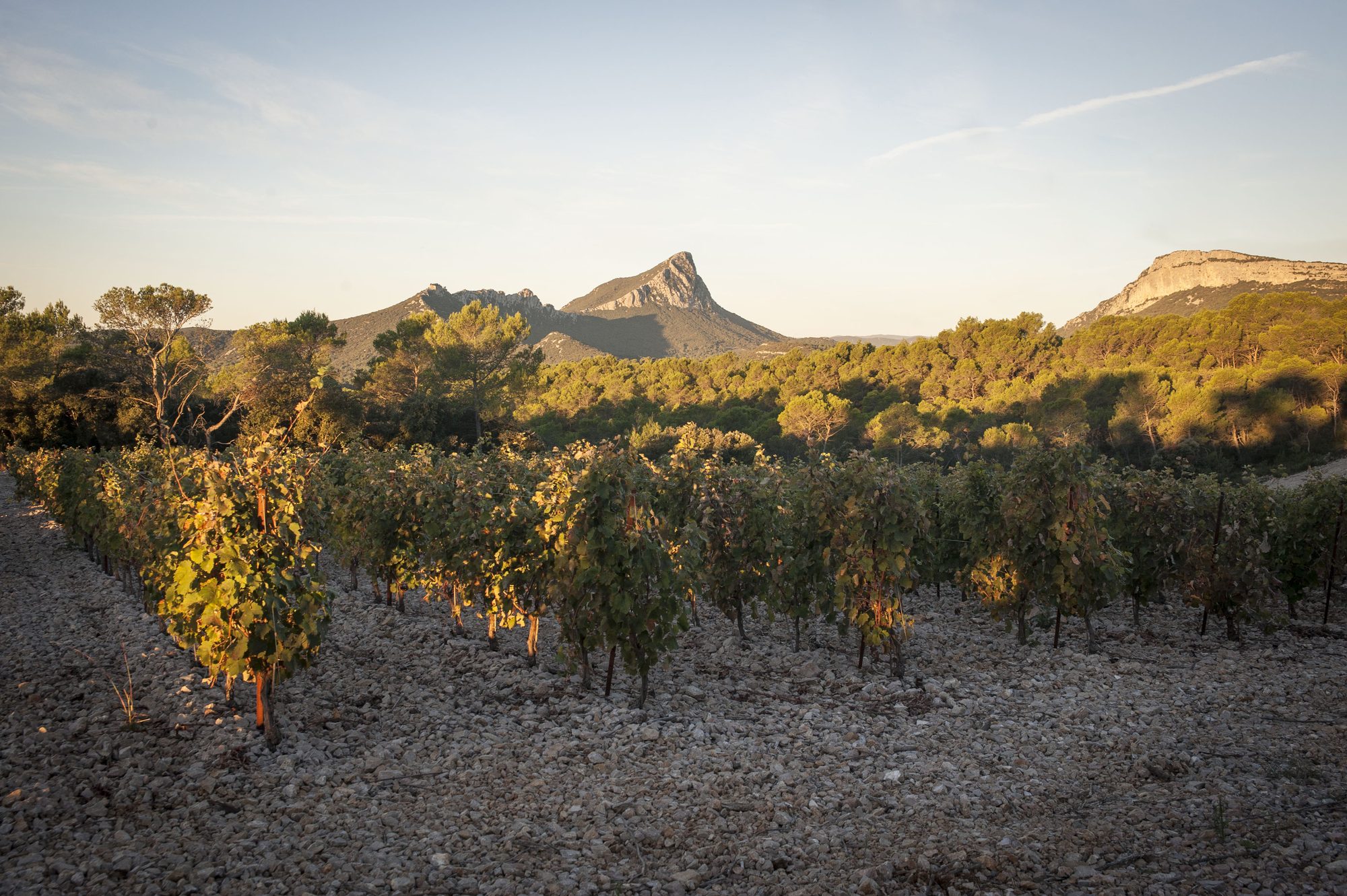
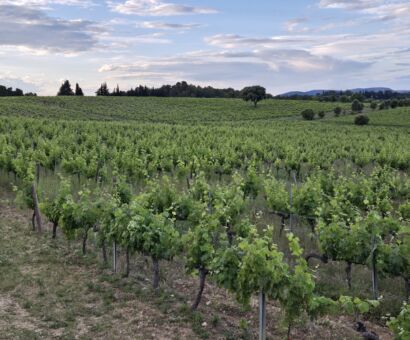
Around the château, the vines grow on limestone clays covered with pebbles rolled by the Rhône in the Quaternary, between 50 and 150 metres above sea level.
PIC SAINT-LOUP
The limestone of the north
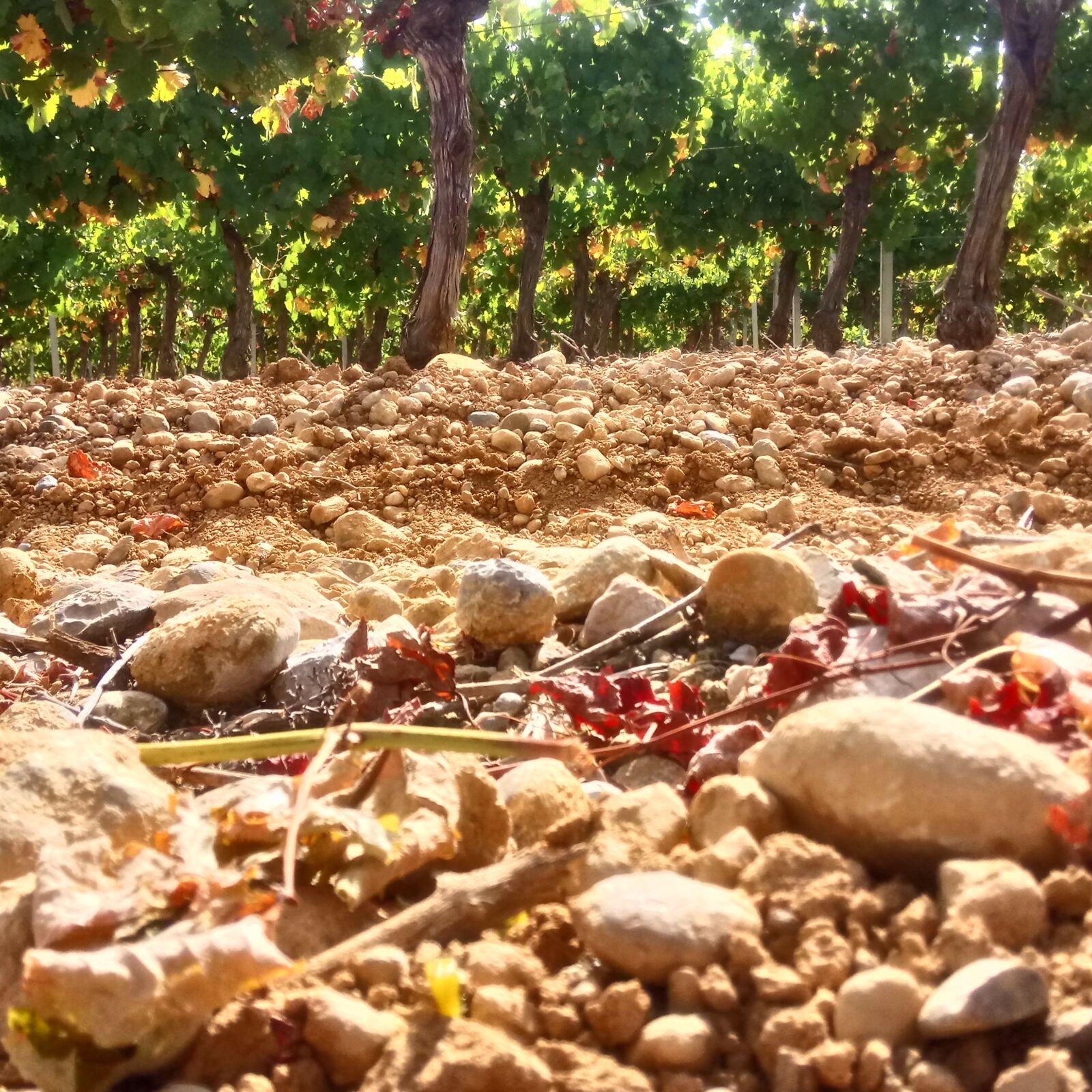
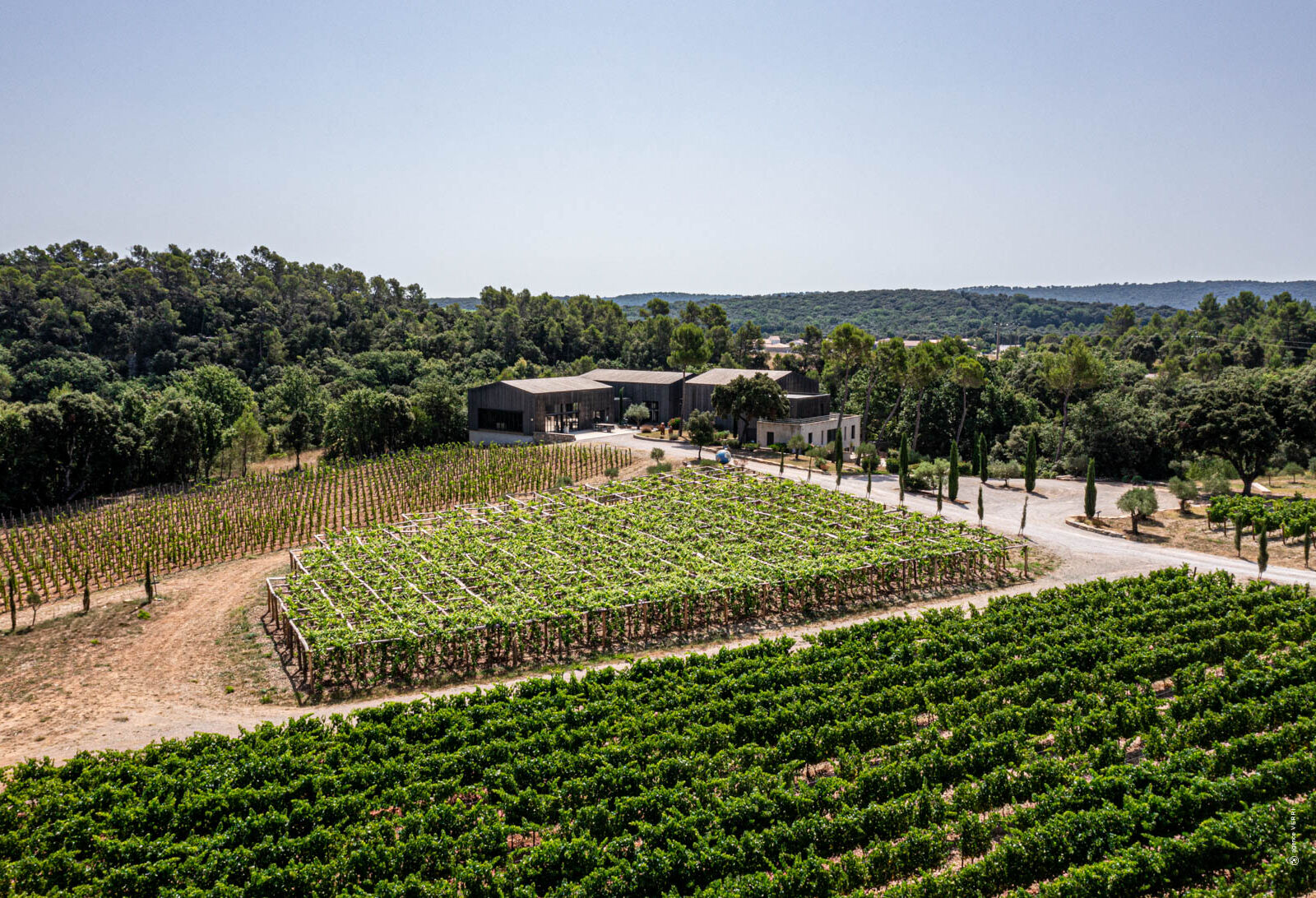
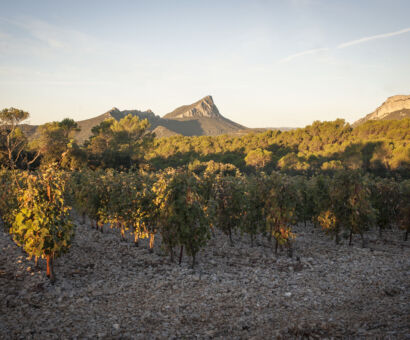
About ten kilometres further north, Puech-Haut farms 70 hectares in Pic Saint-Loup. The vines of Lavabre and Clos du Pic grow on the slopes, on shattered limestone and marl, in a cooler, wetter climate.
- of vines
- 165ha
- in St-Drézéry
- 80ha
- in Pic St-Loup
- 70ha
- at Theyron
- 15ha
- sustainable farming
- 100%
With a great terroir and a favourable climate, you make great wines.Arnaud Demongeot
THE LABELS
Four designations of origin
The estate's labels carry four designations of origin. Each one tells where the grapes come from and which rules govern their production, from the pebbles of Saint-Drézéry to the sands of the coast.
-
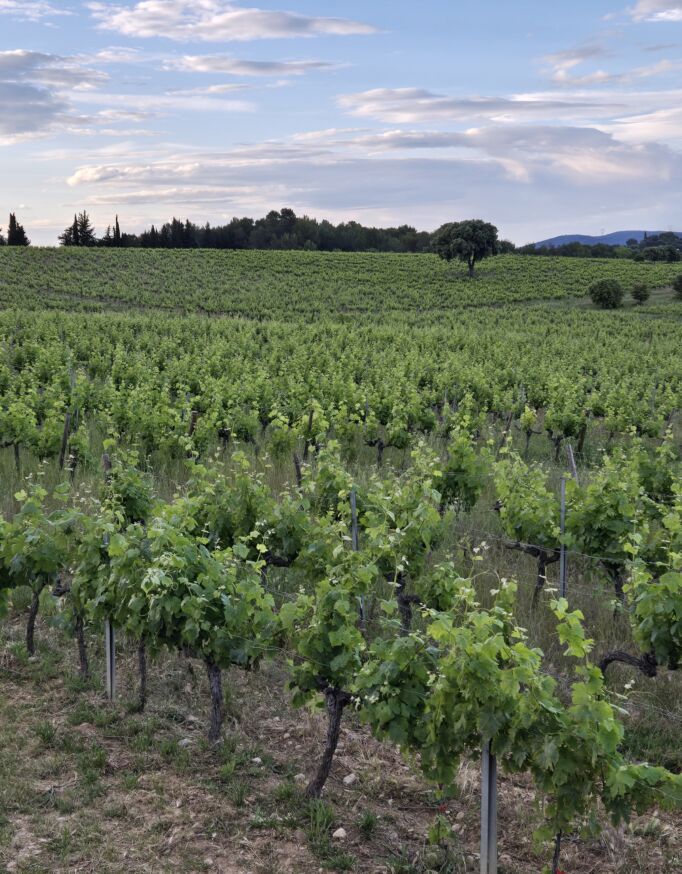
AOP Languedoc
The wines of Château Puech-Haut, born of the rolled pebbles of Saint-Drézéry: Tête de Bélier, Prestige, 40ème. -
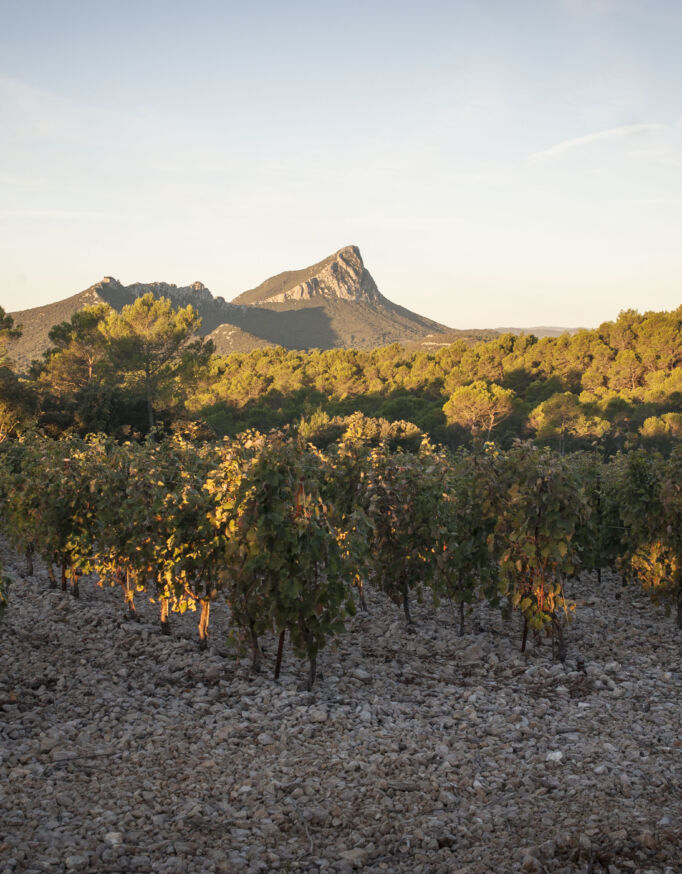
AOP Pic Saint-Loup
A terroir further north, reserved for reds and rosés: Lavabre, Clos du Pic, Loup du Pic. -
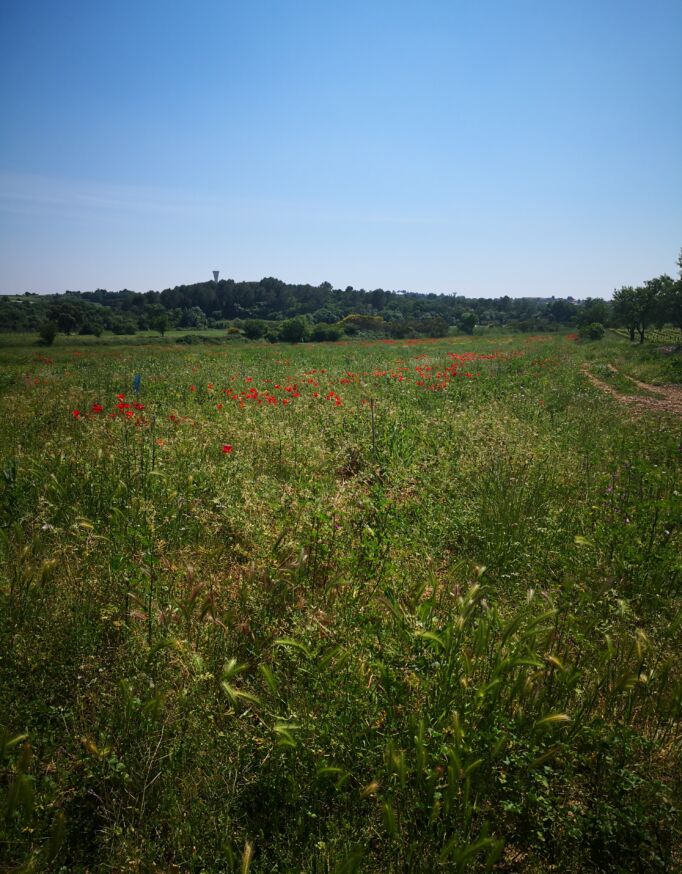
IGP Pays d'Oc
A broader designation: Theyron, Argali rosé and Bib’Art. -
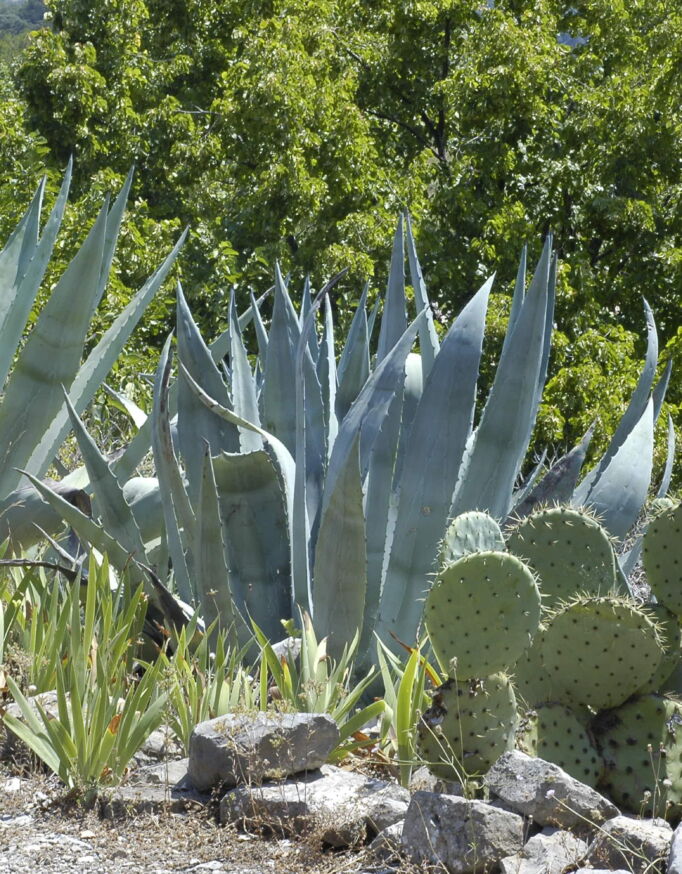
AOP Sable de Camargue
A coastal appellation, on sandy soils: Watusi, a rosé.
QUESTIONS
Questions about the vineyard
Two terroirs, one way of tending the vines with sustainable farming. These answers explain what sets them apart, then what happens in the rows, from the compost spread every other year to the sheep that do the weeding.
What are the estate's terroirs?
The rolled pebbles of Saint-Drézéry, in the AOP Languedoc, and the limestone of Pic Saint-Loup, about ten kilometres to the north. Domaine de Theyron, some fifteen hectares ten kilometres from the château, completes these two main terroirs.
What is the difference between the two?
Pic Saint-Loup is higher, cooler and wetter than Saint-Drézéry. Its grapes ripen more slowly, and its reds, dominated by Syrah, keep more freshness. In Saint-Drézéry, the rolled pebbles cover limestone clays.
Why work the soil?
To control competition from grass. Some is kept for a living soil, but when it is too dry, the rows are harrowed or ploughed so that only the vines benefit from the water and nutrients.
Does the estate use fertilisers?
Only organic soil improvers. A compost of plant and organic waste is spread every other year, in larger or smaller amounts depending on what each plot needs.
How are the vines weeded?
By a flock of eighty sheep, led by a shepherd, from the harvest until early spring. Then come mowing and ploughing every other row.
Is the vineyard run with sustainable farming?
Yes, entirely. Treatments are limited to copper and sulphur, and the region's regular wind helps keep the vines healthy. Domaine de Theyron is also managed with sustainable farming.
TO DISCOVER
Our terroirs in detail
The Languedoc vineyard in detail, then the châteaux that make the Puech-Haut wines, and visits to the estate.