

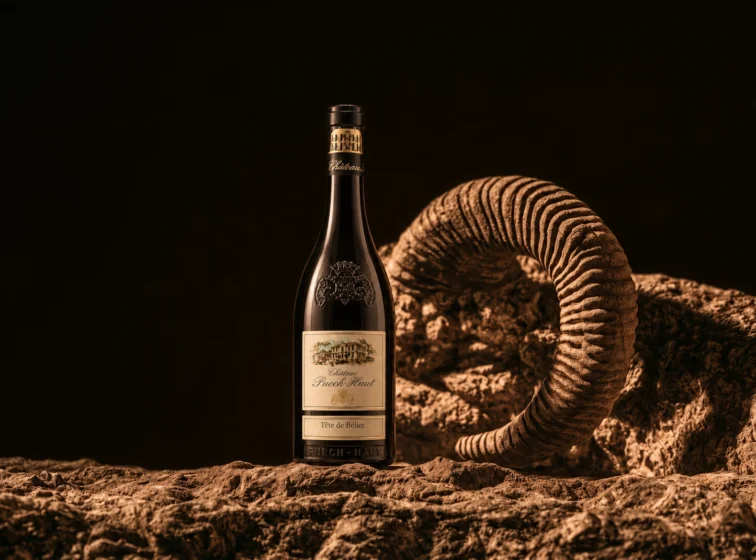
Among the cuvées of Château Puech-Haut, there is one that people ask for by name: Tête de Bélier. Red, white or rosé, it carries the estate's signature, from the rolled pebbles of Saint-Drézéry. Many bottles are now resting in cellars, and one question often comes up: which vintage should you open, and when? To answer it, you need to understand where this wine comes from, how it is aged and what time brings to it. That is what we invite you to discover, from the vineyard to the table.
The ram, emblem of the house
The ram is the mascot of Château Puech-Haut. You find it carved in the stone of the cellar, on the Tête de Bélier label, on the Béliers d'Oc, and even in Argali, which owes its name to the largest of the wild sheep. A symbol of strength, determination and character, the ram's head announces a wine with temperament, made to last through the years rather than to be drunk straight away.
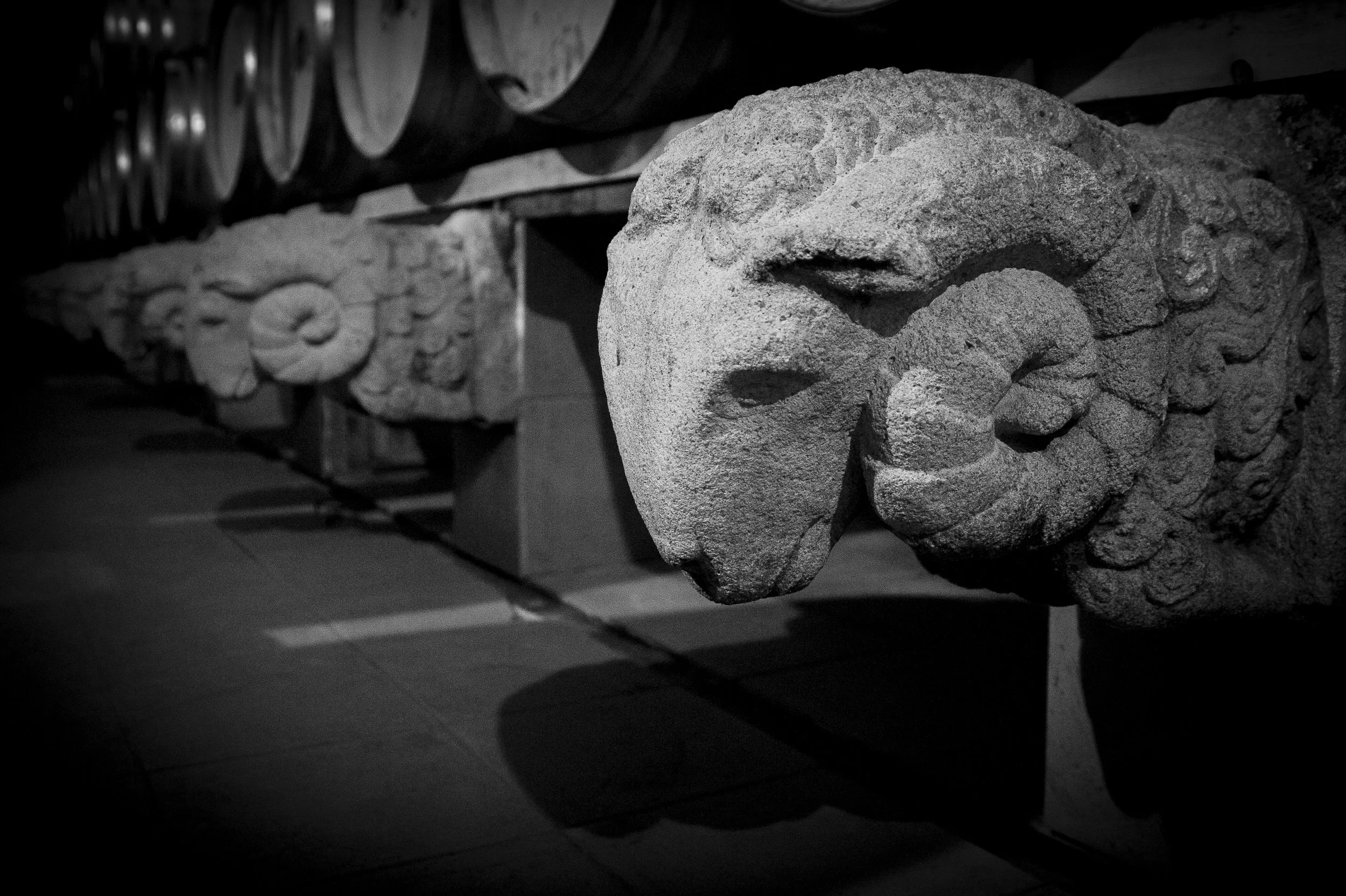
This choice is far from trivial. It expresses the ambition of the cuvée: to bring together in one bottle the best of the Languedoc grape varieties, vinify them patiently and give them time to blend. Tête de Bélier is the cuvée the estate presents as its top-of-the-range wine, the one kept for special occasions and that people love to compare from one vintage to the next.
A cuvée born on rolled pebbles
The Tête de Bélier vineyard lies around twenty kilometres north-east of Montpellier, at between 50 and 150 metres above sea level, under maritime influence. The soil is clay-limestone, covered with rolled pebbles deposited by the Rhône in the Quaternary. These pebbles store the sun's heat during the day and release it at night, which helps the grapes ripen fully, while the sea air preserves their freshness.
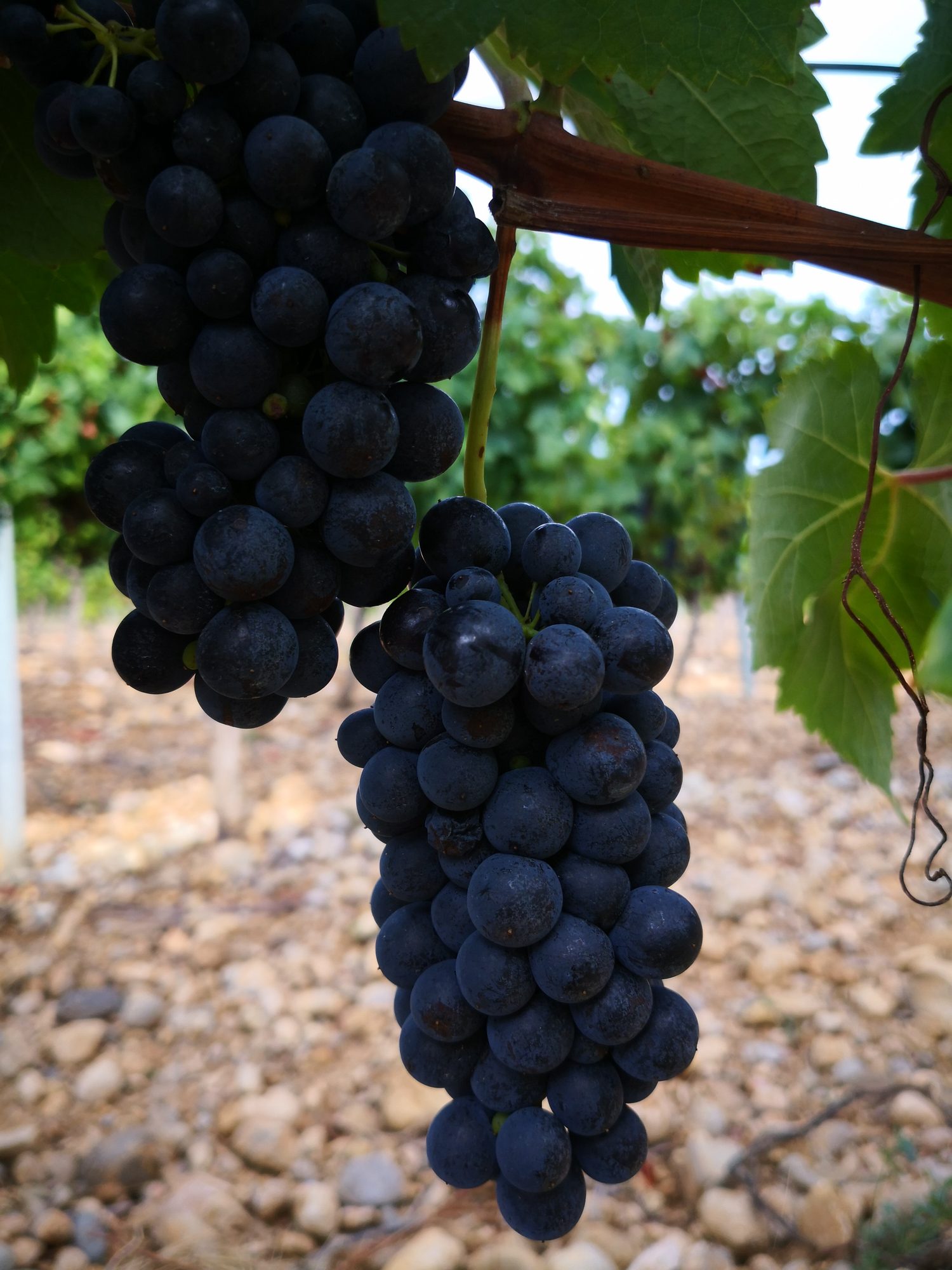
The red blends the great grape varieties of the Languedoc. In the 2021 vintage, the cuvée brings together 70% Syrah, 20% Grenache, 8% Mourvèdre and 2% Carignan, in the AOP Languedoc. Syrah brings colour, black fruit and structure, Grenache generosity, Mourvèdre depth and Carignan a touch of liveliness. Yields are deliberately low, around 25 hl/ha, to concentrate the fruit in each bunch.
In the cellar, time for concrete and wood
Each grape variety is vinified separately, in concrete vats, for three to four weeks. The thermal inertia of concrete keeps a stable temperature and allows a steady fermentation, without jolts. This separate vinification then lets the team taste each grape variety, gauge its character and build the blend with precision.
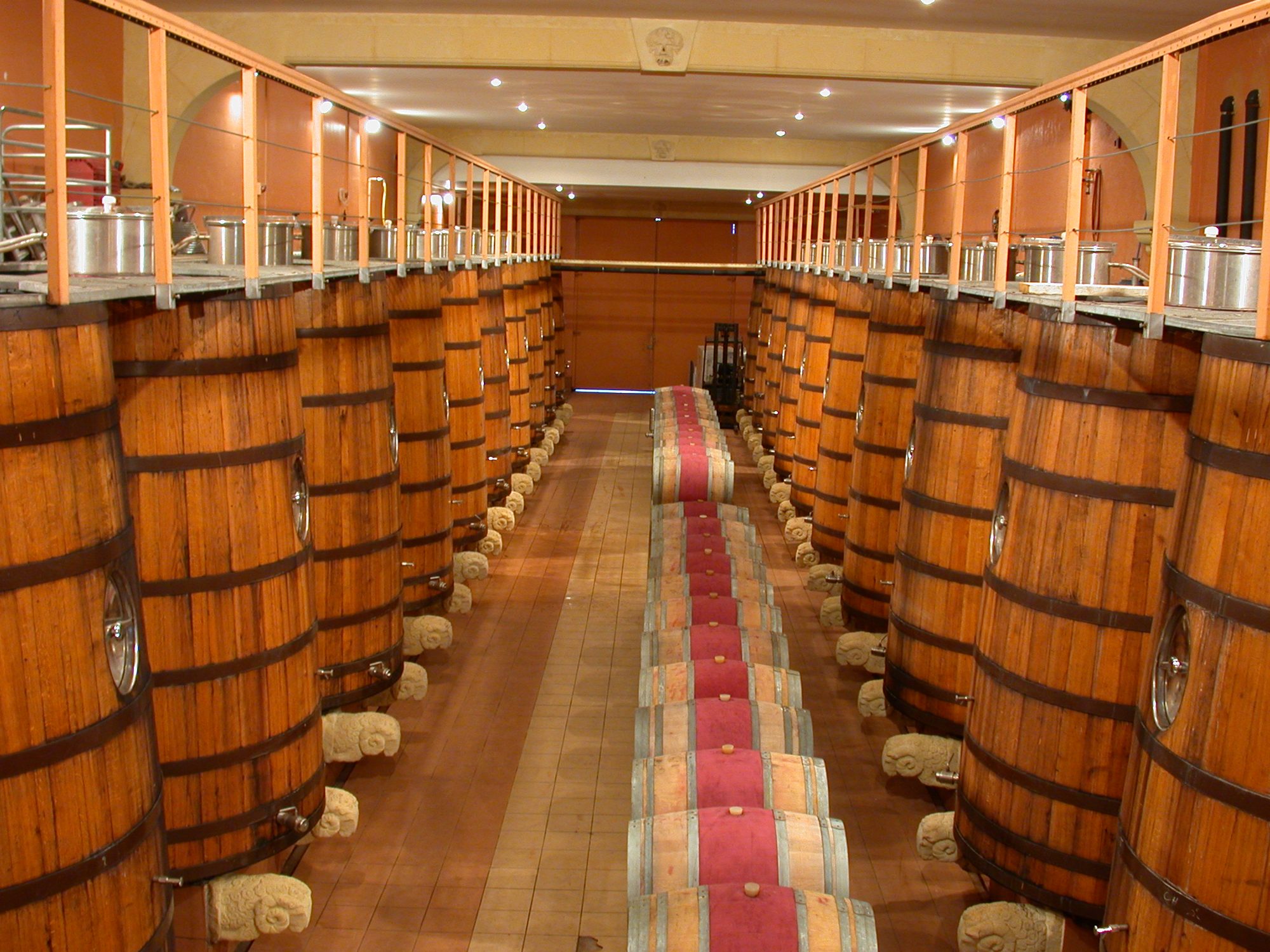
The wine then goes into barrels and large casks, holding 50 to 300 hectolitres, for 18 months of ageing. The wood lets a little oxygen through, which refines the tannins without masking the freshness of the fruit. The final blend is made at bottling. The result: a black-garnet colour with purple glints, a nose of ripe small black fruit with delicate oak, and an intense, generous palate where red and black fruit, sweet spice and a note of toast mingle.
Which vintage should you open today?
From one year to the next, the blend adapts to what the vines have given: a hotter summer strengthens the Syrah and the power, a cooler year brings out tension and fruit. That is what makes each vintage of Tête de Bélier unique. The estate puts the ageing potential of the red at 10 to 12 years, and this benchmark tells you where a bottle stands.
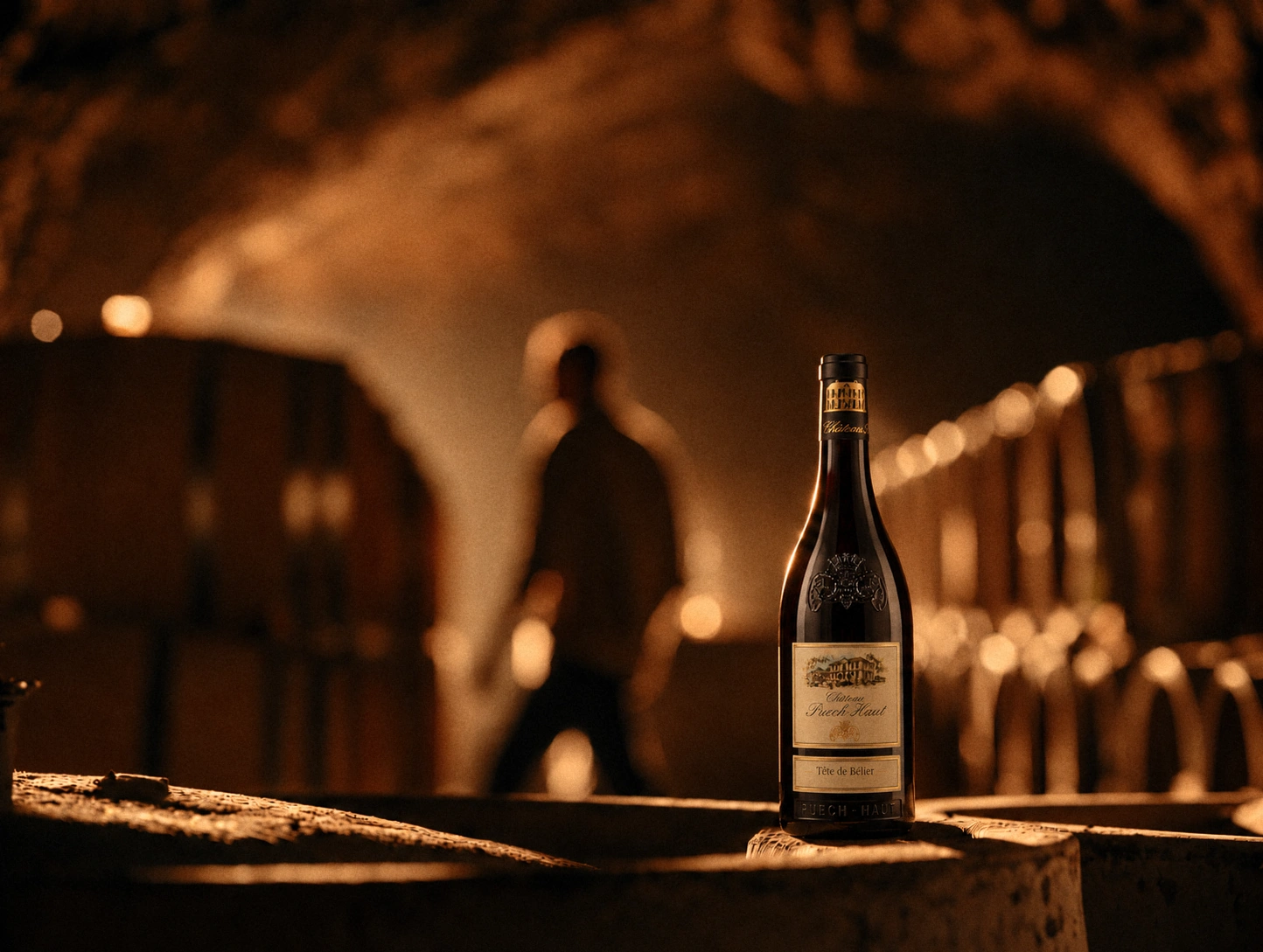
Recent vintages, such as 2021, 2022 or 2023, are still young: you can open them now, decanting them for an hour to let them breathe, or let them gain complexity for a few years. The 2017 to 2020 vintages are entering their best period, with melted fruit and rounded tannins. The oldest, around 2015 and before, are nearing the end of their ideal window: open them without waiting too long, preferably without decanting, to preserve their aromas. These pointers apply to well-stored bottles. The 2021 vintage also received a score of 94/100 from Robert Parker, fine recognition for the work of the teams, in the vineyard and in the cellar alike.
Storing and serving Tête de Bélier well
For the wine to age as it should, the rule is simple: a constant temperature, around 12 to 14 °C, good humidity, darkness and the bottle lying down. A cellar that is too warm or too dry speeds up the wine's development and shortens its ageing potential. On the day you taste it, take the bottle out half an hour before the meal and serve it between 16 and 17 °C.
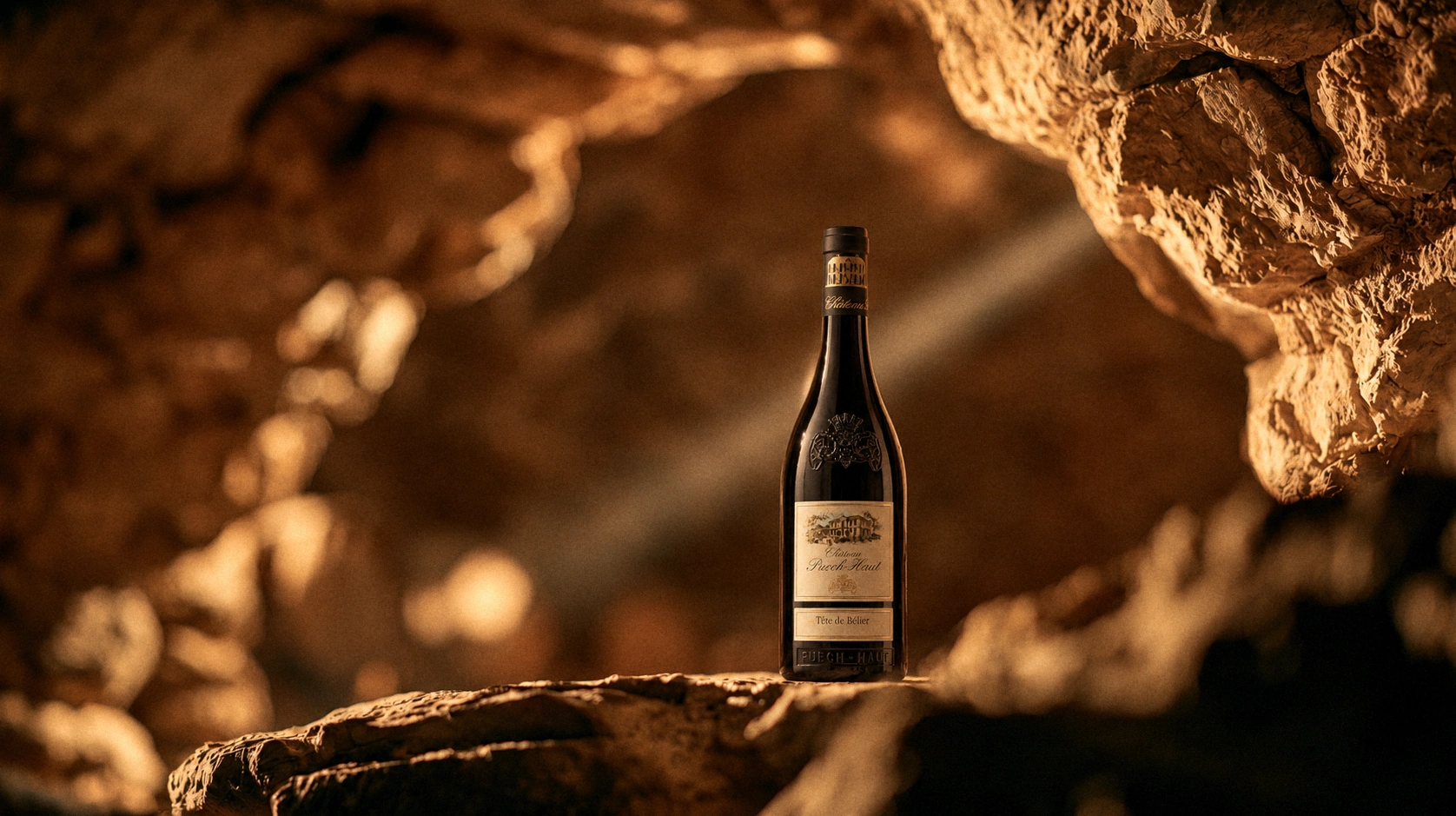
The cuvée also comes in two other colours. Tête de Bélier white blends Roussanne, Marsanne, Grenache Blanc and Viognier, fermented and aged for ten months in barrels on fine lees: a golden colour, a nose of yellow fruit, honey and gingerbread, to keep for 3 to 7 years and serve between 10 and 12 °C. Tête de Bélier rosé, made from Mourvèdre, Grenache and Syrah, is aged for six months in barrels: a rose-petal colour, white cherry and a touch of spice, to drink within two years at 8 to 10 °C.
What to serve with Tête de Bélier red?
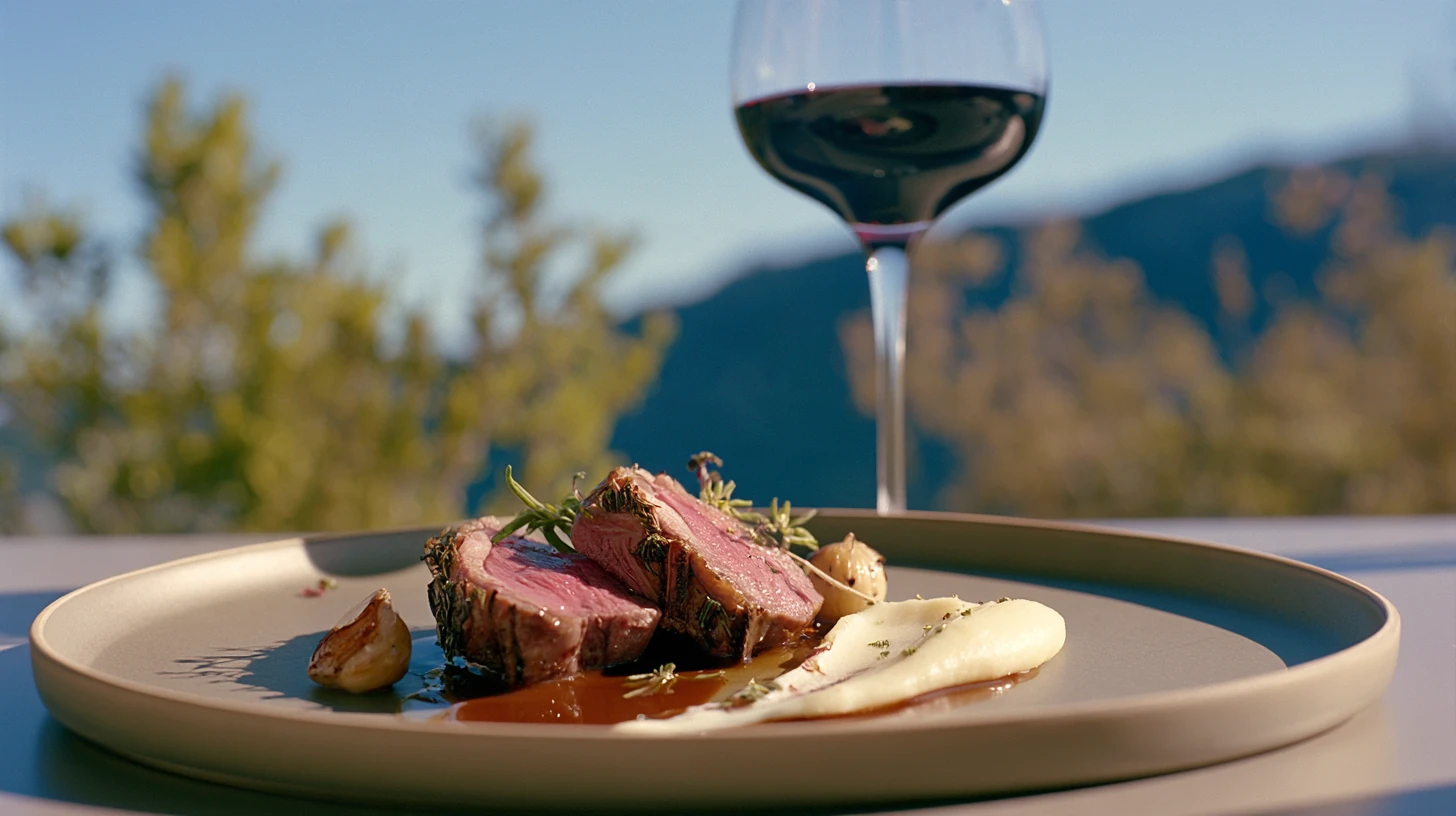
Its structure calls for dishes with character: grilled red meat, rack of lamb, mature cheeses such as Camembert or Munster. The wine's tannins answer the texture of the meat, and its spicy notes go well with herbs and wood-fire cooking. For a festive table, try our leg of lamb with garrigue herbs: the thyme and rosemary echo the aromas of the wine.
Find more ideas in our food and wine pairings, and to learn more about the cuvée, see the Tête de Bélier red page, the page on Syrah and the one on Château Puech-Haut. To find the cuvée near you, visit the Where to find our products page.
Please enjoy responsibly. Excessive drinking is harmful to your health.
 Puech-Haut